
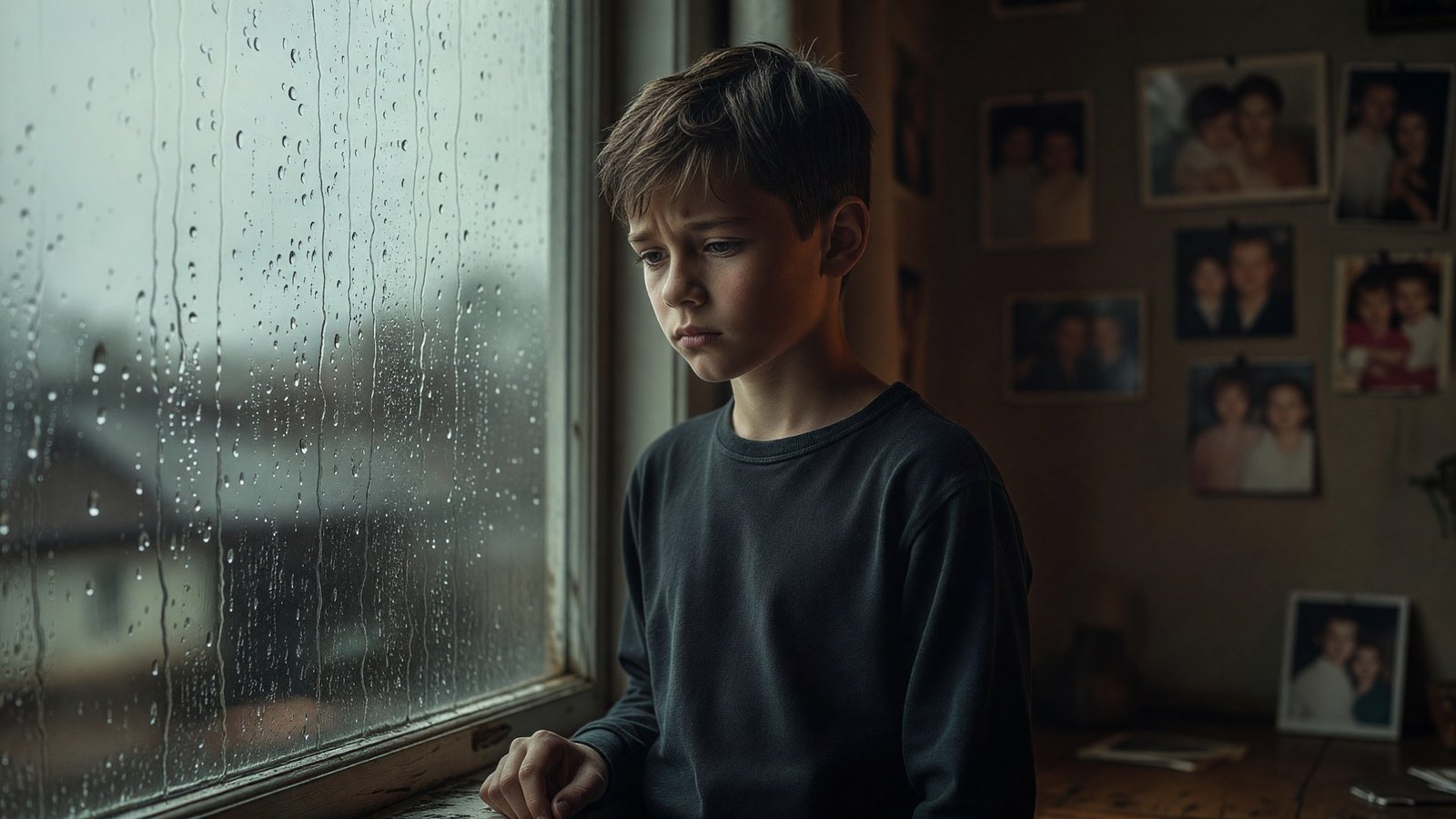
Twenty minutes. That’s how long Kate Gosselin reportedly spent with her son Collin during a hospital visit when he was 12.
Twenty minutes. That’s how long Kate Gosselin reportedly spent with her son Collin during a hospital visit when he was 12.
Collin had been a patient at Fairmount Behavioral Health System, a psychiatric hospital, for more than a year. According to him, he spent much of his mother’s visit sobbing while she told him the family was happier without him. If that’s true, twenty minutes wasn’t a visit. It was a verdict handed down at the foot of a child’s bed.
Now, Collin is telling his side. And whatever complicated feelings he has about Kate, this is not the fuzzy, grievance-flavored account you sometimes get from a former reality-TV kid looking for another round with a former reality-TV parent. His account is grim. It describes years of alleged physical and emotional abuse, escalating after he resisted appearing on Jon & Kate Plus 8, the TLC show that made his parents household names and turned eight children into the biggest punchline in early-2000s television.
A Childhood Built for the Camera
Jon & Kate Plus 8 debuted in 2007 and followed Kate and then-husband Jon Gosselin as they raised twins Mady and Cara, now 26, and sextuplets Collin, Hannah, Leah, Alexis, Joel and Aaden, now 22.
Say what you want about the franchise, but the premise was insane from the jump. Six babies? Eight kids total? A marriage already under enough pressure to fill a divorce therapist’s entire calendar? Of course TV wanted in.
And for the children, especially Collin, being on that show apparently wasn’t some wonderful family adventure they all looked back on fondly. He says the filming increased after his parents split, and that his already difficult home life got worse when he pushed back against being filmed. Reality television, in other words, didn’t just expose the fractures. It gave Collin another reason to believe his own instincts were the problem.
That kind of setup can mess with a kid. If adults keep insisting that their public image matters more than their privacy, the child may start thinking the adults are right. Maybe the problem is him. Maybe compliance is survival.
He was 12 and living in a psychiatric hospital.
Look, that’s where my sympathy gets difficult to switch off. Kids belong in safe homes with adults who make them feel wanted, not facilities where their parents can visit and deliver a twenty-minute sermon about everyone else’s happiness. That’s not normal parenting. That’s not normal anything.
None of that means Collin’s new book settles every question about his childhood or his relationship with Kate. Memory is complicated, particularly when a family has spent years turning private pain into television. The Gosselins’ public fights could be loud, performative and deliberately edited for drama, but that doesn’t automatically make a child’s private account false. Sometimes the person crying on a reality show is performing. Sometimes they’re also telling one piece of the truth.
The Child Who Said No
Here’s what seems especially significant: Collin says the alleged abuse intensified when he rebelled against filming the show. So not only was he dealing with whatever was already happening inside the family, he was then accused, in effect, of ruining the family opportunity because he wouldn’t keep smiling for the camera.
That’s a cruel bind.
Obey, and the machine keeps running. Refuse, and the adults frame you as the reason everything falls apart. The show itself didn’t have to order a child to be exploited. Adults did that. They decided their platform, income and fame outweighed a kid’s objections. That’s the part too many viewers miss when they reduce the Gosselin story to eight babies, one doomed marriage and enough laundry to open a second Target.
How Do You Leave a Mother Behind?
Collin’s last visit with Kate at 12 left him with something that sounds less like a memory and more than a wound that never properly closed. He says she stayed about 20 minutes and spent most of that time “drilling into” him about how much happier everyone was without him.
Children can survive a lot of ugly behavior. What they often can’t survive is being told, while they’re already at their most vulnerable, that their absence would be a gift.
That sentence follows a kid for life. Really.
It can change how he sees conflict, intimacy, even his own right to take up space. A person who grows up believing his mother is happier when he’s gone doesn’t always walk away clean. He may spend years waiting for love that only arrives with conditions attached. Or he may decide that closeness is dangerous and learn to want things from a distance.
“She stayed for about 20 minutes,” Collin recalls. He says he sobbed while she spent most of the visit “drilling into” him about how much happier everyone was without him.
The fact that Collin is now public with all of this also changes the story. He isn’t simply asking us to dislike Kate. He’s insisting that what happened to him mattered, even though viewers watched the Gosselins mostly as entertainment and treated each new revelation like another episode.
The Reckoning Hasn’t Started Yet
Kate doesn’t have to agree with every claim Collin makes. She may have a different account of his childhood, his treatment and that hospital visit. Maybe their disagreement is so deep that no book can bridge it.
But refusing to agree doesn’t erase a serious allegation from a child who says he endured it. And if Collin’s story is accurate, this isn’t a dispute over whether everyone remained close after the cameras stopped rolling. It’s a reckoning with abuse, institutional treatment and the enormous cost of putting a family’s image above a child’s welfare.
What happens now? Probably a lot of uncomfortable publicity, because that’s how these stories tend to move. Collin will likely be discussed as Kate’s “forgotten” son, a label that is instantly dramatic but honestly kind of insulting. He was not forgotten in the sense of being unnoticed. He was famous. He was on national television, treated as part of the Gosselin brand, and then remembered mainly when siblings spoke. Taylor Frankie Paul Breaks Silence on Doug's Bombshell Tell-All after her ex went public with his version of their relationship, a pattern that happens when silence becomes too expensive to maintain.
Forgotten can mean many things. Collin may have felt forgotten long before he was 12.
What This Actually Means
The truth is finally out, Collin says, and he’s moving forward with a memoir. That’s his right. It’s also his way of taking authorship over a childhood that adults exposed, sensationalized and, in his telling, harmed.
I’m not interested in watching another Gosselin family feud over who played the nastiest TV villain. That circus helped create the distance in the first place.
What matters is simpler: a man who says he was 12, alone in a psychiatric hospital, finally heard from his mother that everyone was better off without him. Whether anyone fully understands the rest of his story yet or not, that should demand more than a shrug.
Twenty minutes can end a childhood.
A reckoning takes longer.