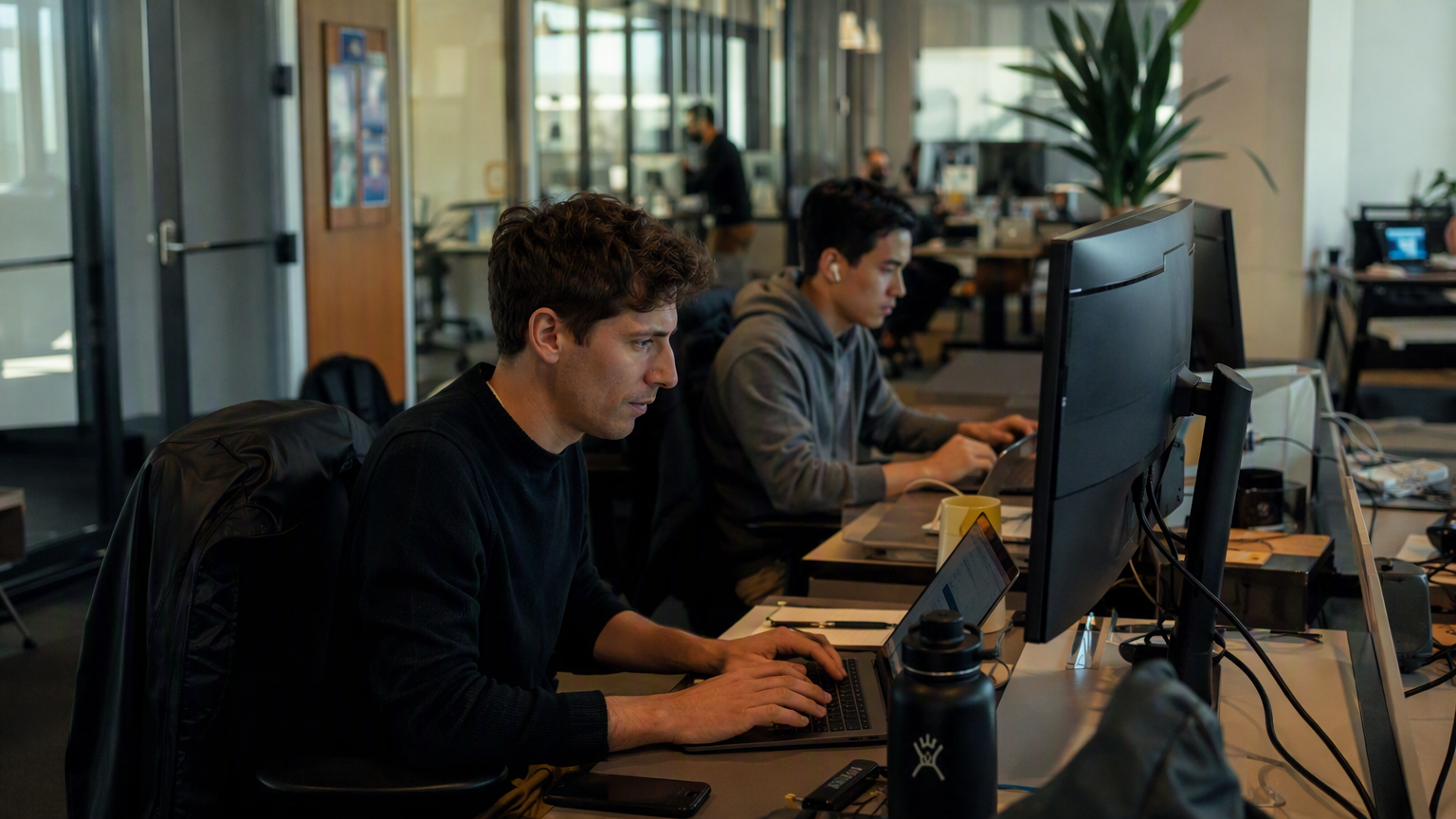
Anthropic built a wet lab. An actual, physical, pipettes-and-petri-dishes biology lab. And nobody outside the company knew about it until Reuters came knocking. That’s the kind of detail that makes you sit up a little, right? A company that’s supposed to be all about large language models and chatbots quietly assembling the infrastructure to do wet biology work. Not a metaphor. Not a “lab” in the Silicon Valley sense where that word just means a conference room with beanbags. A real lab.
Wait, Why Does an AI Company Need Test Tubes?
Here’s the thing that got me when I first read this: Anthropic isn’t exactly hiding that the lab exists anymore, but they’re being pretty careful about what they say it’s for. The company confirmed to Reuters that yes, the lab is real, but no, it’s not specifically for drug discovery. Which, okay, fine, but that’s a very lawyer-approved answer. It tells you what it’s NOT for without really telling you what it IS for. I’ve read a lot of corporate non-denials in my time and this one has that flavor.
And look, I get why they’d be cagey. Biology and AI together is a genuinely touchy subject right now. We’re talking about models that can help design proteins, predict how molecules behave, maybe even assist with synthesizing new compounds. That’s incredible science. It’s also, if you squint even a little, the exact kind of thing that keeps biosecurity researchers up at night. So a company like Anthropic, which has built its entire brand around being the “safety-focused” AI lab (their words, constantly, in basically every interview their execs give), building a physical biology facility on the quiet? That’s a headline waiting to happen. And it happened.
The Safety Angle Cuts Both Ways
Anthropic’s whole pitch to the world has been: we take the dangerous stuff seriously, we’re the adults in the room, trust us. So there’s an argument that having an actual wet lab makes sense for exactly that reason. If you want to understand whether your model can meaningfully help someone create a bioweapon (which, yes, is a real category of concern these AI safety teams talk about openly), you probably need more than a chatbot transcript to test that. You need to actually see if the biological steps work in the real world. That requires… a lab. With actual biology happening in it.
So in a weird way, the lab existing is almost consistent with their stated mission. But here’s my problem with it: they didn’t announce this. Reuters had to dig it up. And when a company that constantly talks about transparency and safety keeps a literal lab quiet until a news outlet forces the issue, that’s not a great look. Not gonna lie, that inconsistency bugs me more than the lab itself.
So What Are They Actually Doing In There?
From what I can tell, and honestly the details here are still pretty thin, the lab seems geared toward testing how their AI models perform on real biological tasks and validating outputs against physical reality. Think less “we’re inventing new medicines” and more “we’re checking if the model’s answer about this enzyme actually holds up when you try it on a bench.” That’s a meaningfully different thing than drug discovery, and I think Anthropic’s denial on that point is probably accurate. But it’s also not nothing. Testing whether AI-generated biological insights are correct in the real world is exactly the kind of capability that, once you have it, opens doors to a dozen other applications. Some good. Some genuinely alarming.
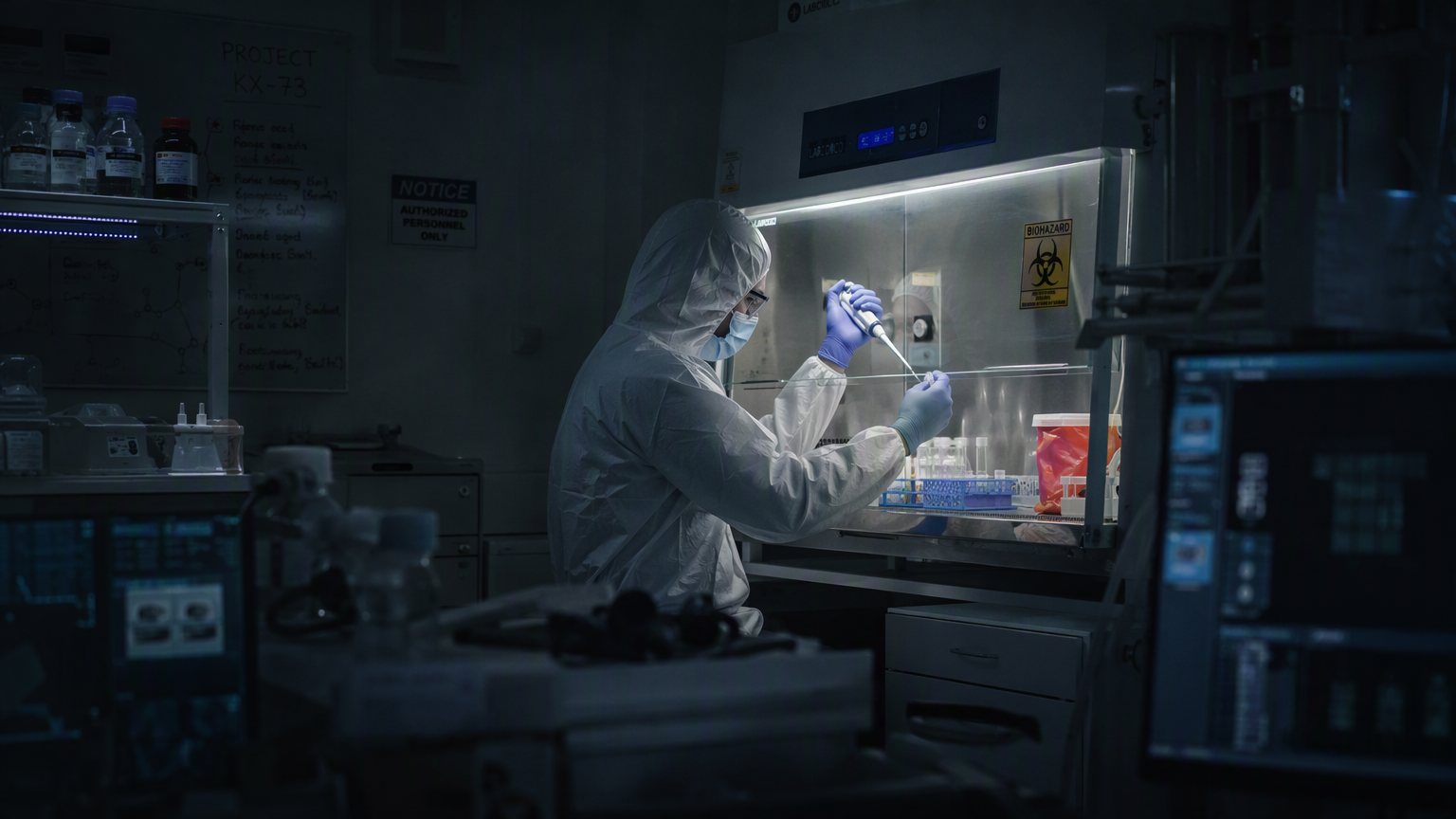
“The company confirms the wet lab exists and says it is not specifically for drug discovery.”
That line, straight from the reporting, is doing a lot of work while saying very little. It’s the kind of sentence that answers a question you didn’t quite ask. I keep coming back to it because it’s such a masterclass in corporate communication – confirm the fact, deny the scariest interpretation, move on before anyone asks a follow-up. Reuters, to their credit, didn’t just take that at face value; they kept pushing for more context. But the specifics of what actually happens day to day in that facility? Still murky.
This Isn’t Happening in a Vacuum
You have to look at this against the backdrop of what’s going on across the whole AI industry right now. Every major lab, OpenAI, Google DeepMind, Anthropic, is racing to show they can do biology and chemistry breakthroughs with AI. AlphaFold basically kicked the door open a few years back by solving protein folding, and ever since then, everybody wants their piece of “AI does science” glory. It’s the new frontier, the thing that makes for great keynote slides. Curing diseases, designing better materials, all that.
And I’ve seen this pattern before with big tech: the science gets announced with fanfare when it’s a win, and gets built quietly in the background when the implications are complicated. A wet lab for validating dangerous biological capabilities doesn’t exactly make for a triumphant product launch tweet. So it makes sense, from a pure PR strategy standpoint, that this stayed under wraps. Doesn’t make it right, but it makes sense.
What’s interesting here is the trust gap this creates. Anthropic wants us to believe they’re the careful ones, the ones who think about second-order effects before shipping. Fine. But “trust us, we’re careful” works a lot better when you’re not simultaneously finding out about secret labs from a news wire instead of from the company itself. If I’m being honest, that’s the part of this story that matters more than the lab’s actual contents.
What This Actually Means
Look, I don’t think Anthropic secretly built a bioweapons factory. That’s not where my head’s at with this. Companies working seriously on AI safety probably do need physical labs to test real-world consequences of what their models can do, especially in domains as high-stakes as biology. That’s actually a reasonable, even responsible, thing to want.
But the way this came out, quietly, through investigative reporting rather than a company announcement, tells you something about the gap between how these companies talk about safety and how they actually practice it behind closed doors. We keep hearing that AI labs want oversight, want transparency, want the public to trust them with increasingly powerful and physically consequential technology. And then we find out about the actual biology lab from Reuters instead of from a press release.
Maybe that’s unfair. Maybe there are perfectly boring, reasonable operational reasons to keep a research facility under wraps until it’s ready for scrutiny. But in an industry that’s constantly asking the public for the benefit of the doubt, moments like this one make that ask a whole lot harder. And I think that’s worth sitting with for a minute, longer than most people probably will before scrolling to the next headline.