
The Network Said What Now?
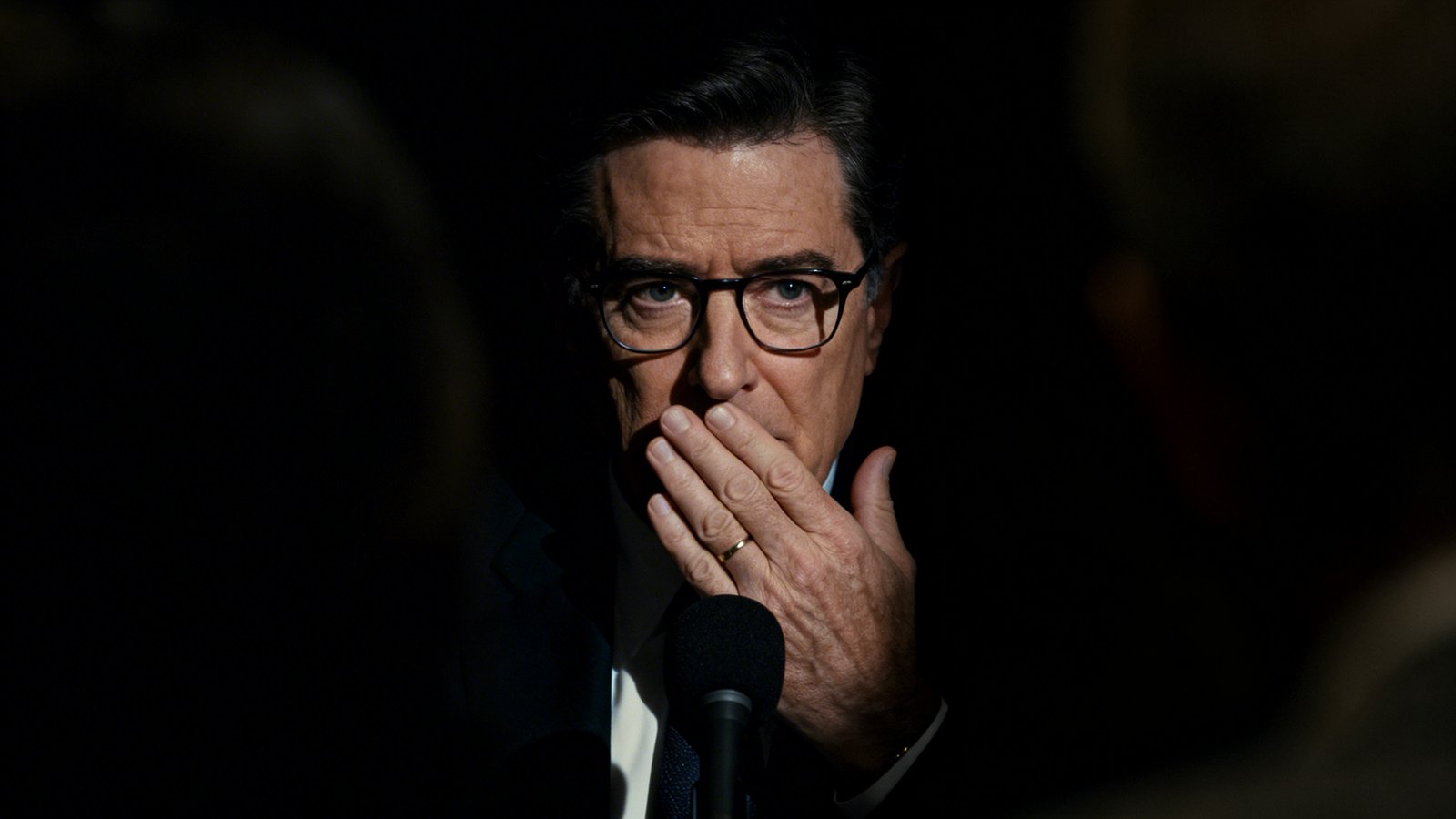
So, here’s the scoop, straight from Colbert’s mouth on a Monday, February 16th episode. He’s all, “Hey, Jennifer Garner’s gonna be great tonight, but you know who isn’t gonna be here? Texas State Representative James Talarico.” And then he just drops the bomb. He was supposed to be on, totally planned, but then – bam – the network lawyers, these mythical beings, they called directly. Called him. And told him, in no uncertain terms, that Talarico was a no-go. Couldn’t air it. Banned.
And listen, Colbert is 61. He’s been in this game for a minute, right? He knows how this stuff works. But even he seemed genuinely flummoxed. He didn’t just quietly drop it. Nope. He made it a central point of his monologue. He called out CBS. He called out FCC Chairman Brendan Carr. That takes some serious brass, if I’m being honest. To go on air and basically say, “My employer is censoring me right now.” That’s big. Really big.
It’s not just some random guest either. This isn’t like a scheduling conflict with a movie star. This is a Texas State Representative. A Democrat. A politician. And you know Colbert likes to dig into politics. That’s kind of his thing. Always has been. So, for the network to step in and say, “Yeah, no, we’re not letting you talk to a sitting politician,” well, that just screams, “We’re scared of something.” Or maybe, “We don’t want to deal with the headache.”
So, What’s the “Secret” Here?
Okay, so the official line, or at least the vibe you get, is that this is all about the FCC. Specifically, Section 315 of the Communications Act, often called the “equal time rule.” Basically, if a broadcaster gives airtime to one political candidate, they might have to offer equal time to all other legally qualified candidates for that same office. And I say “might” because it’s always a sticky wicket. It’s not a blanket ban on all politicians, but it can get complicated fast, especially during election cycles.
But here’s the thing: James Talarico is a state representative. Not running for president, not even federal office, as far as I can tell from a quick glance. And it’s not like he’s going to be debating someone on Colbert’s couch. It’s usually an interview. An opinion. A discussion. So, the idea that a casual chat with a state-level politician on a late-night comedy show would trigger the full wrath of the FCC and force CBS into some kind of “equal time” nightmare… that feels like a stretch. A really convenient stretch.
Is This Really About “Equal Time” or Something Else?
I mean, come on. We’ve seen politicians on late-night shows forever. President Obama was practically a regular. Trump was on. Biden, too. So why is this one specific Texas State Representative suddenly radioactive? Why is his presence so threatening to CBS’s lawyers that they had to make a direct, preemptive strike? It smells a little fishy, if you ask me.
“It just makes you wonder what, exactly, they’re so worried about. Is it really the FCC, or is it the optics? Or maybe just avoiding any kind of fuss, period?”
And frankly, it shows a stunning lack of faith in their own host. Colbert isn’t some rookie. He’s a seasoned interviewer. He can handle a politician. He can navigate those waters without turning his show into a campaign rally. But it seems CBS just didn’t want to risk it. Didn’t want the paperwork. Didn’t want the phone calls. Didn’t want the complaints, probably.
The Elephant in the Room
This isn’t just about one guy not getting on TV. It’s about a bigger pattern, isn’t it? It’s about networks, these huge corporations, getting increasingly cautious, increasingly risk-averse, when it comes to anything remotely political. Especially anything that might ruffle feathers or draw scrutiny from regulators or, God forbid, half the country. And look, I get it. They’re businesses. They want to make money. They don’t want to alienate viewers. But at what point does “playing it safe” become “actively censoring”?
Colbert’s whole schtick, going back to his Colbert Report days, has always been about satirizing power, holding people accountable, and talking about the issues. And sometimes, yeah, that means talking to the people actually making the policies. Or trying to. So, for his own network to pull the plug on a guest like this, it feels like a real gut punch to the kind of programming he represents. It’s like they’re saying, “You can joke about politics, but don’t you dare get too serious, or too specific, or too potentially problematic for our bottom line.”
What This Actually Means
Here’s the deal: when a major network, on a major late-night show, tells its host he can’t interview a legitimate, elected official, it sends a chill down the spine of anyone who cares about open discourse. It’s a reminder that even in what feels like “free media,” there are always gatekeepers. Always. And those gatekeepers often have agendas that have nothing to do with journalistic integrity or the public’s right to hear diverse voices.
It makes you wonder how many other times this kind of thing happens behind the scenes that we don’t hear about. How many other guests get quietly “disappeared” from interview lists because some lawyer somewhere got nervous? This time, Colbert called them out. Good for him. But it’s a stark reminder that even the biggest stars with the biggest platforms aren’t immune to corporate interference. And honestly, that’s a pretty depressing thought for anyone who still believes TV can be a place for meaningful conversation, not just manufactured entertainment. It’s a sad state of affairs, if you ask me. And frankly, it just makes me want to hear what James Talarico had to say even more.