
Okay so somewhere between the last decade’s TED talks about “disrupting” democracy and this decade’s actual attempts to gut it, something shifted. The mask came off. And I don’t think enough people noticed the moment it happened.
Wait, What’s the “Nerd Reich” Even Mean?
It’s a term that’s been floating around tech-critical circles for a while now, and honestly, it’s a little on the nose but that’s kind of the point. We’re talking about a specific strain of Silicon Valley thinking – the ones who genuinely believe democracy is inefficient, that voting is basically crowdsourcing bad decisions, and that the “smartest people in the room” should just… run things. No messy elections. No accountability to the unwashed masses who don’t understand APIs or whatever.

I’ve seen this pattern before, not gonna lie. It’s the same energy as every tech bro who tells you Twitter (sorry, X) comments are “the real news” while simultaneously building tools to bury the comments they don’t like. There’s always been a contempt for democratic process baked into parts of tech culture. What’s different now is they’re saying it out loud.
The Quiet Part, Now Loud
For years this stuff lived in blog posts nobody read and Discord servers nobody screenshotted. Curtis Yarvin (yeah, the “Dark Enlightenment” guy) was writing about monarchy being superior to democracy back when most people thought that was just internet weirdo stuff. Turns out some of those internet weirdos ended up with actual influence over actual policy. Funny how that works.
So Why Now? Why Is the Mask Slipping?
Here’s the thing – when you have enough money and enough proximity to power, you stop needing to hide what you actually think. That’s basically it. That’s the whole mechanism. When your net worth rounds up to “small country GDP” and you’ve got a direct line to policymakers, you don’t need the PR-friendly version of your beliefs anymore.
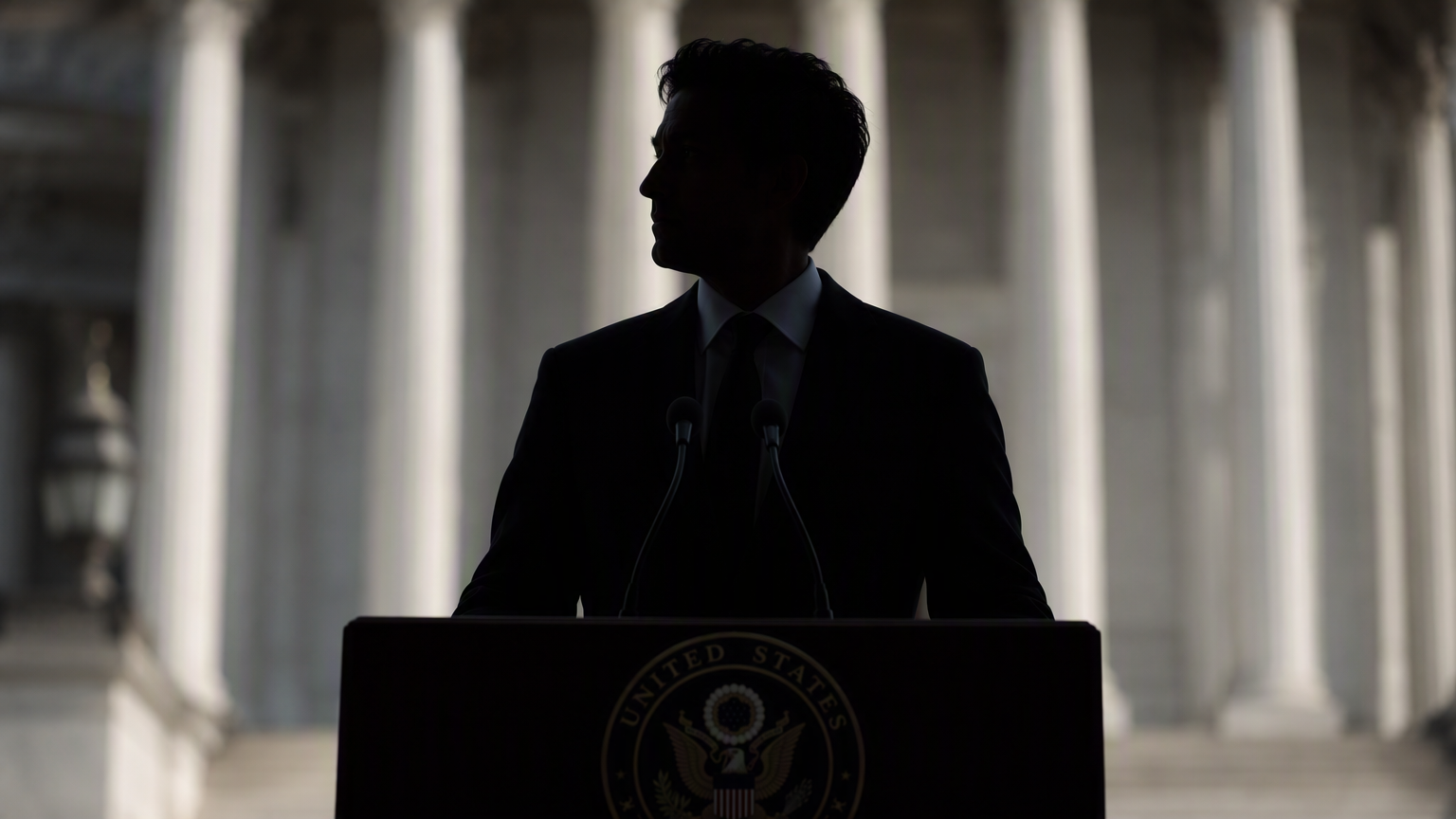
And look, I want to be fair here. Not every tech billionaire is secretly plotting to install a benevolent CEO-king over the United States. But a meaningful chunk of the loudest voices in tech policy right now are openly hostile to the basic premise that regular people should have a say in how things are run. That’s not a conspiracy theory, that’s just… reading what they write and post and say on podcasts.
“They don’t hate government. They hate government they don’t control.”
The Part Everyone Keeps Missing
What’s interesting here is how this connects to stuff that seems totally unrelated – AI regulation fights, content moderation battles, even crypto. All of it shares this underlying assumption: expertise (or wealth, which apparently counts as expertise now) should override democratic input. Ask an AI lab exec whether the public should get a vote on how fast they deploy potentially society-altering technology and watch them squirm, or worse, just tell you no.
This isn’t new energy, either. It’s the same logic that gave us “move fast and break things,” except now the thing being broken is a little bigger than some startup’s user base. We’re talking about institutions that took, like, centuries to build.
And I think that’s the piece a lot of coverage misses. This isn’t just about a few weird guys with blogs. It’s about a worldview that’s been quietly infrastructure-building for years – through think tanks, through funding networks, through cozy relationships with people who actually write laws. The ideology isn’t fringe anymore. It has budget lines.
What This Actually Means
Honestly? I think we’re at the point where pretending this is a fringe internet phenomenon is actively dangerous. It’s not fringe when the people saying it have access to the people running the country. It’s not fringe when it shows up in policy memos instead of just Substack posts.
I don’t have a tidy prediction for how this plays out. Maybe it burns out the way most tech-bro overreach eventually does – all hat, no cattle, once reality intrudes. Or maybe we look back in ten years and realize this was the moment the warning signs stopped being subtle and started being, well, just signs. Either way, worth paying attention to who’s saying the quiet part out loud these days. And worth asking why nobody in power seems all that bothered by it.