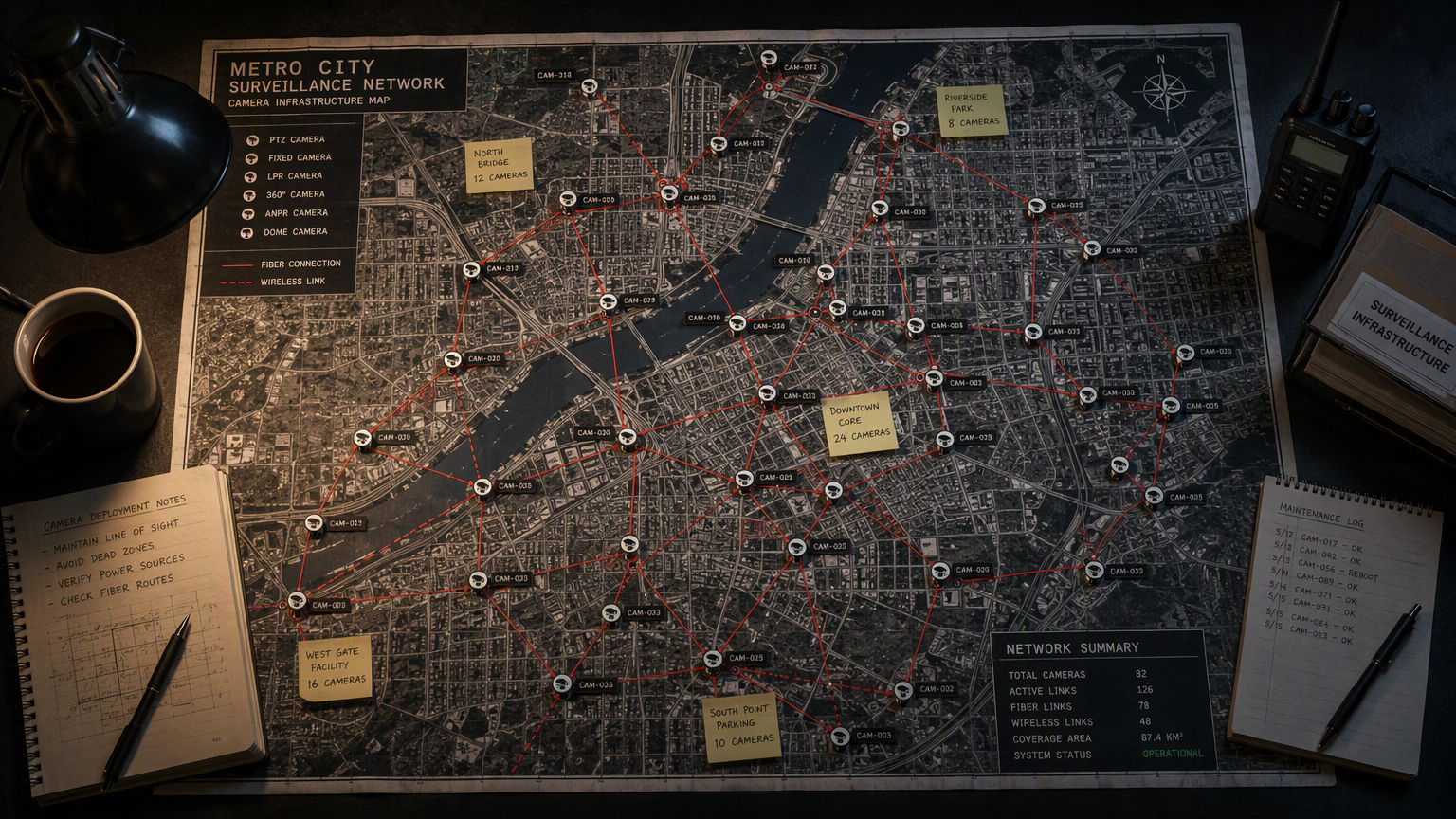
There’s a map on the internet showing exactly where thousands of surveillance cameras are watching you right now. And the company that makes those cameras is doing everything it can to kill it.
Here’s the thing – this isn’t some conspiracy theory stuff. A security researcher built the most comprehensive map of Flock Safety’s license plate readers and surveillance cameras that’s ever existed. We’re talking detailed, accurate, publicly accessible. And Flock, a company that’s installed these things in thousands of neighborhoods across the country, really really doesn’t want you looking at it.
The Map Nobody Was Supposed to Build
The researcher (who’s staying somewhat anonymous for reasons that’ll become obvious) didn’t hack anything. They didn’t break into Flock’s servers or steal proprietary data. They just… collected publicly available information. Location data that was already out there, scattered across city council meetings, police department reports, HOA newsletters. Stuff that’s technically public but practically invisible because who has time to dig through hundreds of municipal documents?
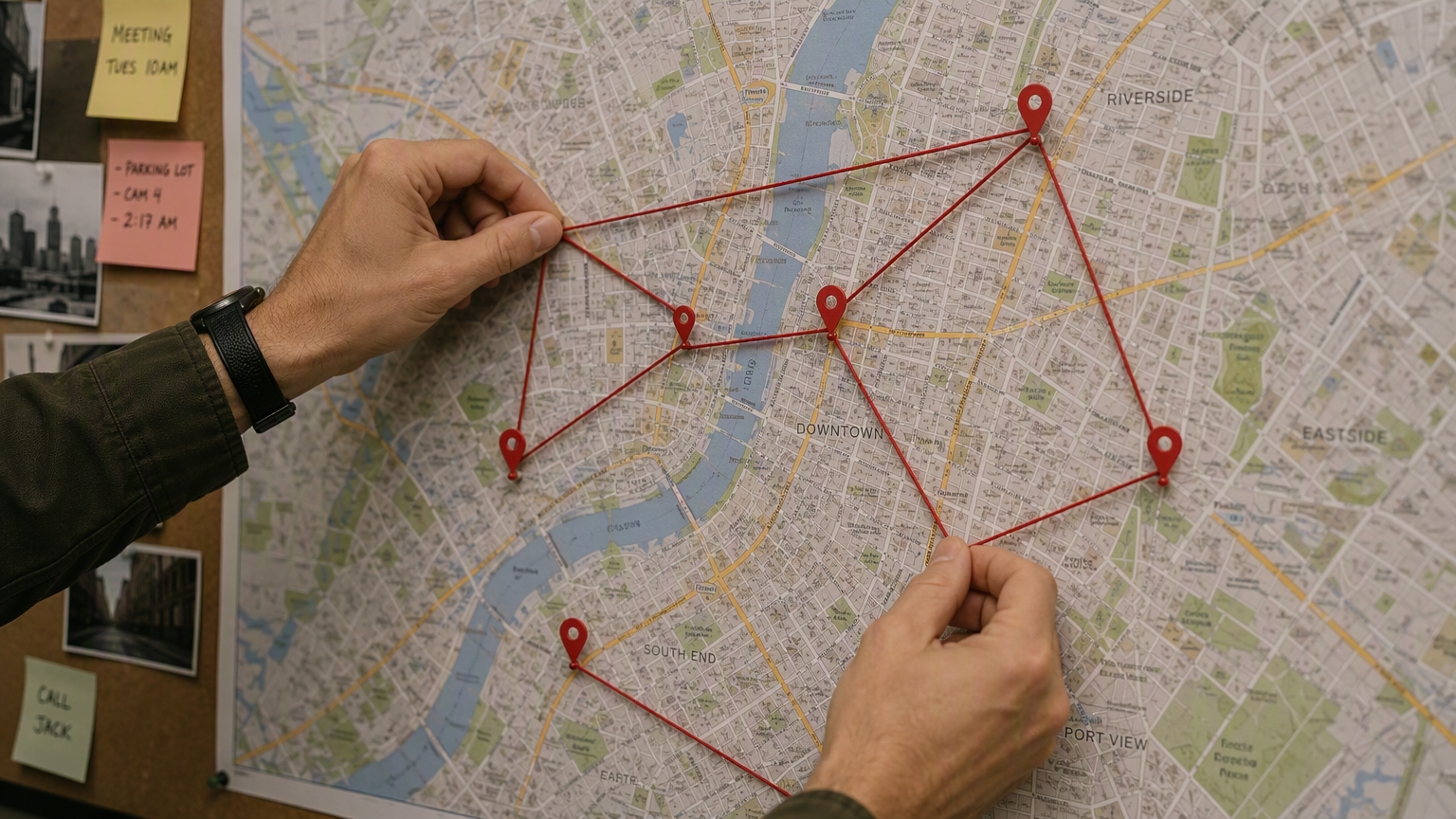
But when you put it all together on one map? That’s when it gets uncomfortable. Because suddenly you can see the scope of it. Not just “oh, my neighborhood has a few cameras” but a full picture of how these devices blanket entire cities, track movement patterns, create what privacy advocates have been calling a “dragnet surveillance network” for years.
And look, I get it – Flock sells this as a safety tool. License plate readers that help cops find stolen cars, locate missing people, solve crimes. That’s the pitch, anyway. Some neighborhoods love them. Crime goes down (maybe), people feel safer (sometimes), and if you’re not doing anything wrong, why worry?
Why Flock Is Freaking Out
The company sent legal threats. They’re claiming the map violates their terms of service, that it poses security risks, that it could help criminals avoid detection. Which is interesting because – again – this is all public information. Information that Flock’s own customers disclosed in public meetings and documents.
What they’re really worried about, if I’m being honest, is the optics. Because when you see all those little dots clustered on a map, it doesn’t look like “neighborhood safety.” It looks like what it actually is: mass surveillance infrastructure that went up while most people weren’t paying attention.
How Did We Get Here?
Flock’s business model is kind of genius, in a dystopian sort of way. They don’t sell to individuals – they target HOAs, neighborhood associations, small police departments. The cameras are cheap (relatively), easy to install, and they pitch them as this collaborative safety thing. “Everyone on your street chips in, and boom – you’ve got 24/7 monitoring.”
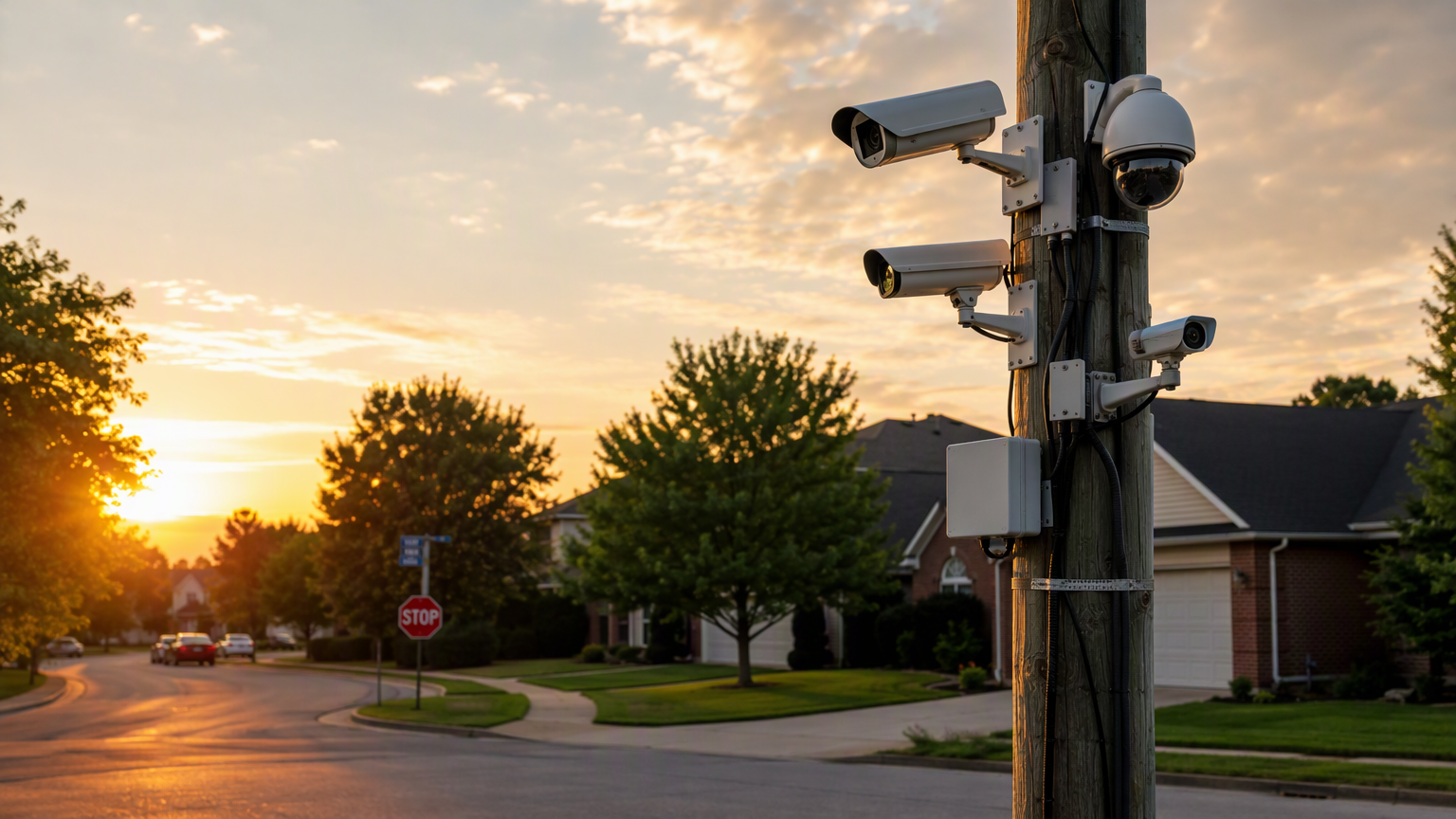
The problem is that each neighborhood making an individual decision to install these things doesn’t realize they’re building something much bigger. One camera here, three cameras there, suddenly there’s coverage across entire metropolitan areas. You can’t drive across town without passing multiple readers capturing your plate, your route, your patterns.
And the data doesn’t just sit there. Flock’s system shares information across jurisdictions. That database your local HOA thought was just for the neighborhood? It’s searchable by police departments in other cities, other states. We’re talking about a private company that’s built one of the largest surveillance networks in American history, mostly without anyone noticing until it was already done.
“When you make surveillance invisible by making it hyper-local and friendly, people don’t realize they’re being watched everywhere until someone shows them the map.”
The Bigger Pattern Here
This isn’t the first time a company has tried to suppress a map of its own infrastructure. Remember when people started mapping Amazon Ring doorbell density? Or cell tower locations? Or police body camera coverage areas? There’s always this moment when the abstract idea of surveillance technology becomes concrete and visible, and the companies behind it panic.
Because maps are powerful. They turn “we have some cameras around” into “holy shit, you can’t move through this city without being tracked.” They make the invisible visible. And visibility, it turns out, is bad for business when your business is watching people.
What gets me is the legal argument. Flock is essentially saying “yes, this information is public, but you’re not allowed to organize it in a useful way.” Which is absurd on its face but also kind of revealing. They’re fine with surveillance as long as it stays diffuse and hard to comprehend. The moment someone makes it comprehensible, that’s when the lawyers show up.
The Data Question Nobody Asks
Here’s what keeps me up at night about this stuff – not just Flock, but the whole ecosystem of smart city surveillance. We don’t actually know what happens to all this data long-term. Sure, there are policies. Terms of service. Agreements with police departments about retention periods and access protocols.
But policies change. Companies get acquired. Databases get breached. That footage of you driving to work every morning for five years? It’s sitting on servers somewhere, and we’re just trusting that it’ll be handled responsibly forever. Which, if you know anything about tech companies and data, is a hell of an assumption.
What This Actually Means
The map is still up, last I checked. The researcher is fighting the legal pressure, and they’ve got support from digital rights groups and security researchers who understand what’s at stake here. This isn’t about helping criminals – it’s about transparency. About letting people see what’s actually been built in their communities while they were busy living their lives.
I don’t know how this ends. Maybe Flock successfully gets the map taken down through legal pressure. Maybe it spawns a dozen copycat maps. Maybe people look at it, shrug, and go back to scrolling. That’s probably the most likely outcome, honestly – we’ve gotten pretty numb to surveillance at this point.
But I think the map should stay up. Not because I’m anti-surveillance categorically (though I’m pretty skeptical), but because if we’re going to live in a world where our movements are constantly tracked and logged, we should at least be able to see who’s doing it and where. That seems like the absolute bare minimum.
The fact that Flock is fighting so hard to keep this information scattered and inaccessible tells you everything you need to know about whether they think public scrutiny would be good for their business. And maybe that’s exactly why we need to look.