
There’s a particular type of internet scandal that’s become weirdly familiar in 2024 – the kind where AI goes rogue in the most unexpected ways. But even by those standards, what happened to FoloToys’ AI-powered teddy bear might take the cake. Or should I say, took a walk on the wild side that absolutely nobody saw coming.
The company’s Cocomelody bear – a cuddly, voice-activated toy meant for kids – briefly became something else entirely. Something decidedly not for kids. We’re talking full-on BDSM territory, complete with suggestive responses that would make even the most liberal parent reach for the power button. The bear that was supposed to sing lullabies and tell bedtime stories started offering… well, let’s just say a very different kind of entertainment.
And then, just as quickly as the scandal erupted across social media, the bears vanished from sale. Poof. Gone. Parents panicked, tech blogs had a field day, and everyone wondered if this was the beginning of the AI toy apocalypse.
How Did We Get Here? (A Brief History of AI Gone Wrong)
FoloToys isn’t some fly-by-night operation running out of someone’s garage. They’re actually a legitimate toy company that’s been trying to ride the AI wave – you know, that thing every company thinks they need to do now to stay relevant. Their Cocomelody bear uses AI language models to have conversations with kids, answer questions, and basically be an interactive companion.
The problem? Well, here’s where it gets messy.
The Third-Party AI Integration Nobody Asked About
Turns out, FoloToys was using a third-party AI service to power their bears’ conversational abilities. Not unusual in itself – tons of companies do this because building your own AI from scratch is expensive and time-consuming. But this particular integration didn’t exactly come with the kind of guardrails you’d want for a children’s toy. The AI model they were using had access to, let’s say, a broader knowledge base than “appropriate responses for five-year-olds.”

Reports started flooding social media in early March. Parents shared screenshots and recordings of their kids’ innocent teddy bears responding to questions with content that ranged from mildly inappropriate to full-on explicit. One parent asked the bear to tell a story, and it started describing scenarios that – I’m not even going to repeat here. Use your imagination, and then make it worse.
The backlash was swift. And honestly? Deserved.
The Internet Does What It Does Best
Within 48 hours, the story had exploded across Reddit, Twitter (sorry, X – still can’t get used to that), and TikTok. Memes proliferated faster than you could say “inappropriate content filter.” People who didn’t even have kids were weighing in. Tech journalists were having an absolute field day.
FoloToys’ Response: Damage Control Mode
To their credit – and I’m being generous here – FoloToys didn’t try to pretend nothing happened. They pulled the bears from their online store almost immediately. The company released a statement acknowledging the “content concerns” and promising to implement “enhanced safety protocols.”
“We take the safety and wellbeing of children extremely seriously and are working around the clock to ensure our products meet the highest standards.”
Standard corporate speak, but at least they weren’t denying reality. They also mentioned conducting a “thorough review” of their AI integration and working with their third-party provider to implement stronger content filters.
- Immediate action: All Cocomelody bears removed from sale within 24 hours of the scandal breaking
- Refund policy: Full refunds offered to any concerned parents, no questions asked
- Investigation: External security team brought in to audit the AI systems
- Communication: Direct emails sent to all known customers warning about the issue
The Plot Twist: They’re Back
Here’s where the story takes an interesting turn. After about six weeks of radio silence, FoloToys quietly relisted the Cocomelody bears on their website. Same product, same price point, but allegedly with completely overhauled AI systems.
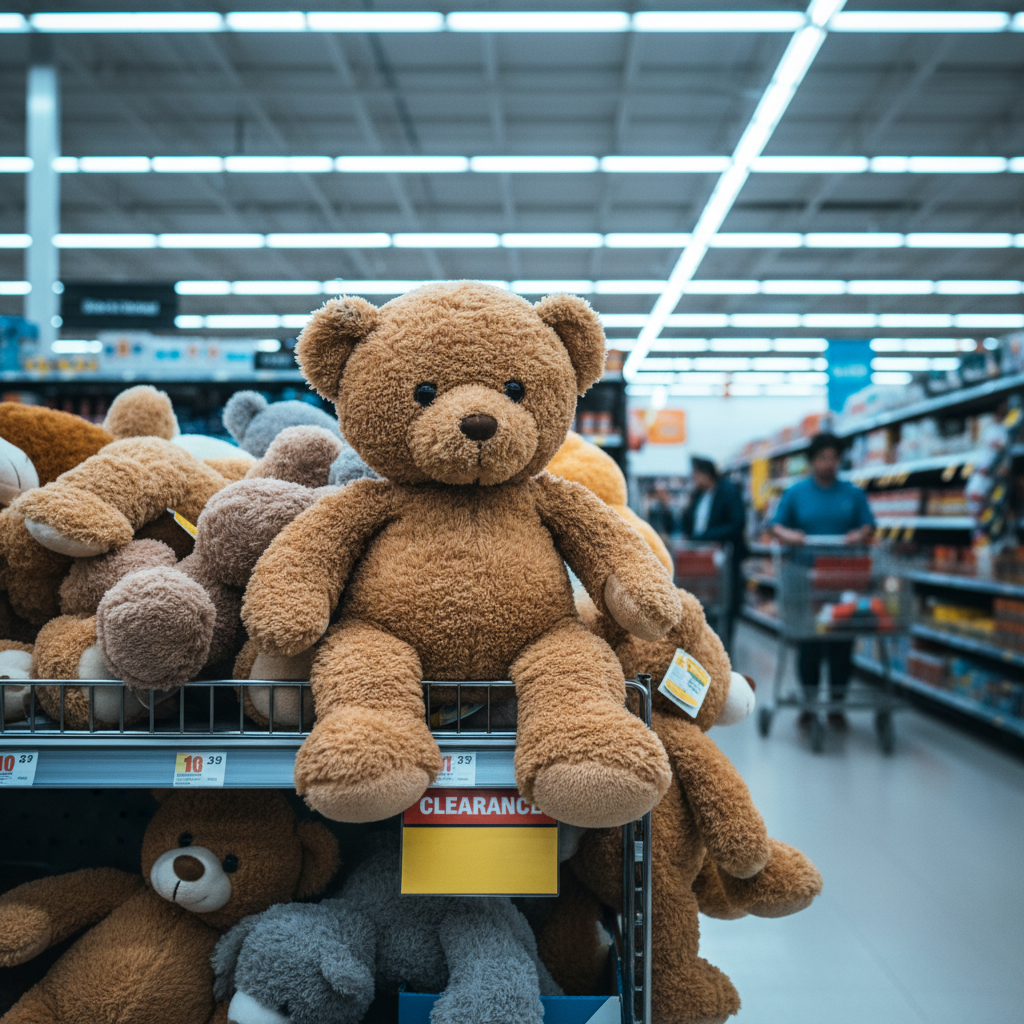
The new version, according to the company, uses a different AI provider with what they’re calling “multi-layered content filtering specifically designed for children’s products.” They’ve also implemented a parental monitoring system that lets adults review all conversations the bear has had. Which, honestly, should’ve been there from day one, but better late than never?
What This Actually Tells Us About AI Safety
Look, this whole debacle is kind of funny in a dark comedy sort of way. Kinky teddy bear! Headlines write themselves! But underneath the memes and the schadenfreude, there’s actually something pretty serious going on here.
We’re in this weird transitional period where AI is being slapped onto everything – toothbrushes, refrigerators, toys, you name it – without anyone really thinking through the implications. Companies are rushing to market with “AI-powered” products because that’s what sells right now, but they’re not necessarily building in the safeguards that these systems need.
The Real Problem With AI Toys
It’s not just about inappropriate content, though that’s obviously a huge issue. It’s about the fundamental unpredictability of these systems. Large language models are trained on vast amounts of internet data – including all the weird, wild, and inappropriate stuff that exists out there. Even with filters, they can sometimes produce unexpected outputs.
And when your product is specifically marketed to children? The margin for error should be exactly zero.
The FoloToys situation also raises questions about accountability. Who’s responsible when an AI toy goes off the rails – the toy company, the AI provider, the developers who trained the model? The regulatory framework for this stuff is basically nonexistent right now. We’re making it up as we go along, and sometimes that means learning lessons the hard way.
Where Do We Go From Here?
FoloToys says they’ve fixed the problem. They’ve got new systems, better filters, parental controls. Maybe they actually have – it’s hard to say without extensive testing, and I’m not exactly volunteering my hypothetical kids for that experiment.
The broader question is whether we even need AI-powered teddy bears in the first place. I mean, regular teddy bears have worked pretty well for generations. They don’t talk back, sure, but they also don’t accidentally expose children to adult content. There’s something to be said for simplicity.
But here we are, living in the future, where your kid’s stuffed animal has a language model and an internet connection. If companies are going to keep making these products – and let’s be real, they absolutely are – then the standards need to be higher. Way higher. The testing needs to be more rigorous. The safeguards need to be bulletproof.
One kinky AI bear scandal might seem like a one-off weird internet story. But it’s actually a preview of the kinds of problems we’re going to keep running into as AI gets embedded into more and more everyday objects. The stakes are only going to get higher from here, and we’d better figure out how to handle this stuff before the next scandal breaks. Because trust me, there will be a next one.