The “Don’t You Dare Watch This” Effect
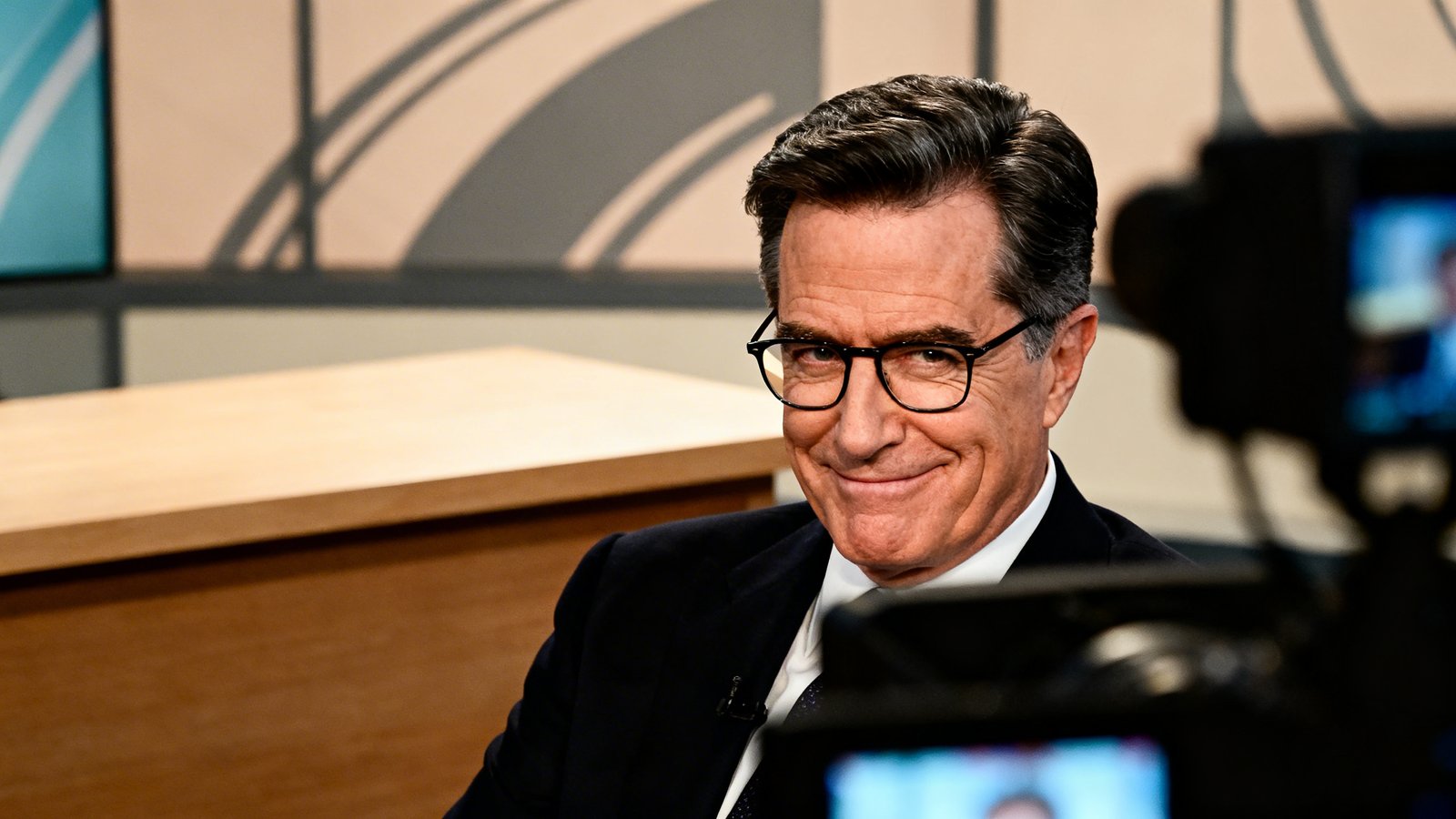
Here’s the thing. Stephen Colbert, back when he was doing The Colbert Report, was already a genius. We knew that. He had this whole persona, this whole vibe, that just cut through all the political BS. He’d invited James Talarico, a Texas state representative, on his show. Talarico was this young dude, a progressive, and honestly, the interview was probably just gonna be another solid segment. Good, informative, a few laughs, then gone. That’s how TV worked, right?
But then the FCC got wind of it. From what I can tell, they weren’t too keen on Talarico’s appearance. Maybe they thought it was too political? Too partisan? Who cares, really. The specifics are almost secondary to the sheer audacity of it all. They basically told CBS, “Hey, maybe don’t air this.” Or they put pressure on them. Whatever it was, the intent was clear: shut it down.
And that’s where they made their biggest, dumbest mistake. Because CBS, bless their hearts, probably felt the heat. So, they didn’t air it on regular TV. Big sigh, right? Except… it’s 2013, people. The internet exists. And CBS, instead of just burying it, decided to throw it up online. Like, “Here it is, FCC, you happy now?” Oh, honey, no. They were not ready for what came next.
The Backfire Heard ‘Round the Internet
The minute something gets branded as “too hot for TV” or “the government doesn’t want you to see this,” it becomes instant gold. It’s like telling a toddler not to touch the shiny red button. What’s the first thing they’re gonna do? Mash that button like it owes them money.
And that’s exactly what happened here. The interview, which probably would’ve gotten a respectable but not earth-shattering number of views on TV, went nuclear online. It didn’t just get watched; it got shared. It got talked about. People were actively seeking it out because the FCC had tried to suppress it. It became a badge of honor, a little rebellion, just by clicking play. This was big. Really big.
But Wait, Didn’t They Learn Anything From Streisand?
This whole situation reminds me so much of the Streisand Effect. You know, where Barbra Streisand tried to get a picture of her Malibu mansion removed from the internet, and all it did was make everyone want to see the picture? That’s what this was. On steroids. The FCC’s attempt to kill this interview completely, utterly, and hilariously backfired. It didn’t just fail; it catapulted Talarico and the interview into viral stardom. It became one of Colbert’s most viewed segments ever. Because of the FCC.
“The internet has a way of turning attempted censorship into the best possible advertising. It’s like a free, global billboard screaming, ‘Forbidden Content Here!'”
I mean, how many times do we have to see this play out? You can’t put the genie back in the bottle, especially when the bottle is the entire freaking internet. These institutions, these old guard types, they just don’t get it. They think they can control information like it’s still 1985 and all you have are three TV channels. Newsflash: it’s not.
The Power of the People (and a Good Internet Connection)
This incident isn’t just a funny anecdote about a government agency looking foolish. It’s actually a pretty important marker. It shows the growing power of online platforms and the declining influence of traditional gatekeepers. Before the internet, if the FCC said “no,” that was pretty much it. Game over. Now? It’s more like a dare. A challenge. And the internet, God bless its chaotic heart, loves a good challenge.
It also highlights how our understanding of “free speech” is constantly evolving. When a government entity tries to pressure a broadcaster not to air something, even if it’s not a direct, legally binding order, it’s still a chilling effect. It’s still an attempt to control the narrative. But the internet provided an end-run around that. It gave the content a path, and it gave the audience a voice. A collective, curious voice that said, “Nope. We decide what we watch.”
What This Actually Means
Look, this wasn’t some grand conspiracy, probably. It was probably just some bureaucratic overreach, some folks in suits thinking they knew best, trying to manage public discourse in a way that felt “safe” to them. But the world moved on. The internet, for all its problems (and believe me, it has many), gave us a kind of democratized media landscape that makes that kind of heavy-handed control almost impossible.
So what’s the takeaway? Don’t tell people what they can’t see. Seriously. Just don’t. Because if you do, they’re not just gonna see it; they’re gonna make sure everyone sees it. And they’ll probably make a meme out of your failed attempt in the process. It’s a lesson the FCC learned the hard way, and frankly, it’s a lesson that still applies today. The internet remembers. And it definitely doesn’t forget when you try to muzzle a good story. Or a funny interview. It just doesn’t.