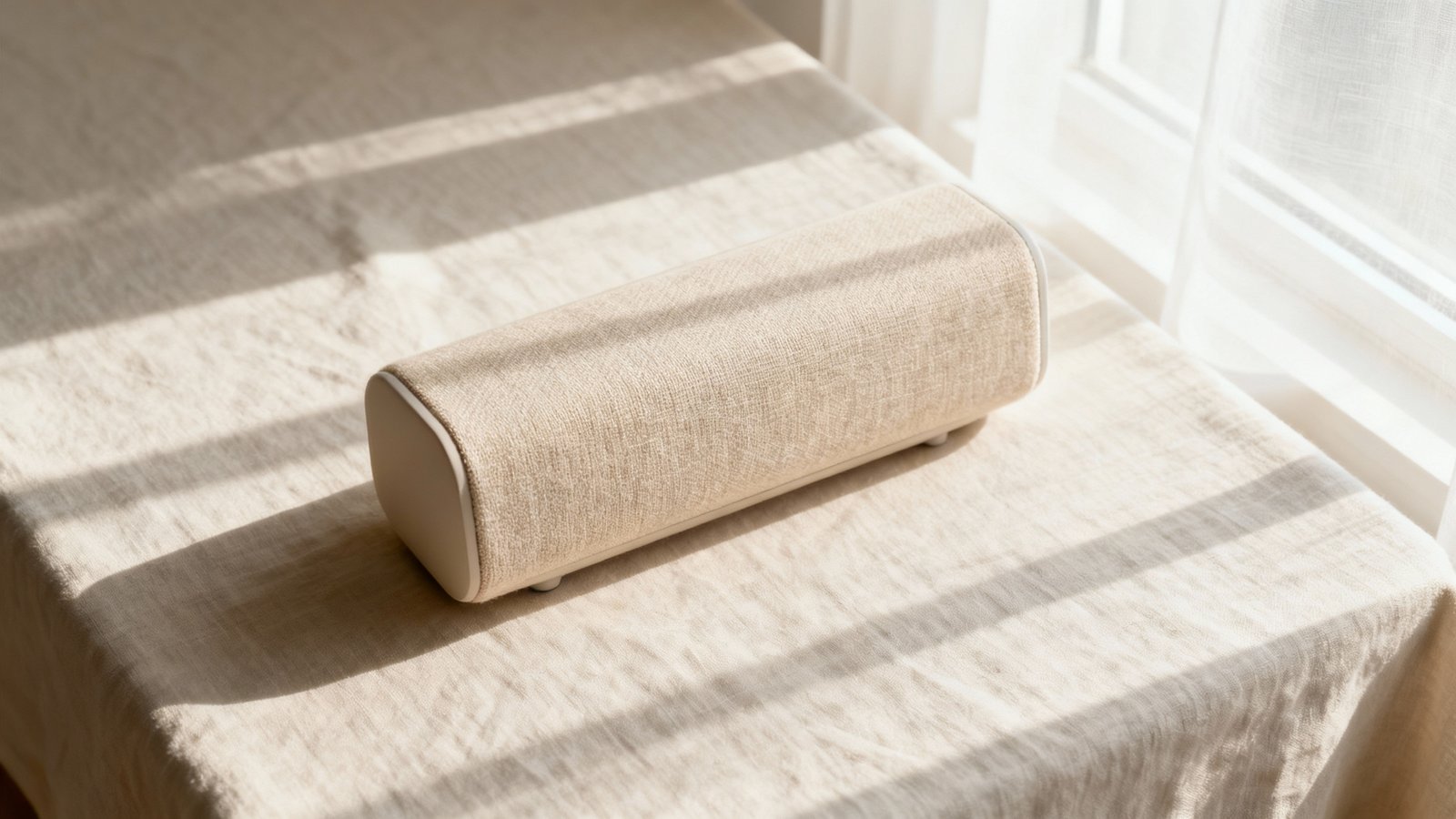
IKEA’s been on this weird tear lately, hasn’t it? First they convinced us we needed actual good-looking furniture that doesn’t fall apart. Then came the reasonably decent smart home stuff. And now – partnering with Swedish designer Tekla – they’re dropping a whole family of Bluetooth speakers that look so un-IKEA that every lifestyle brand is probably already speed-dialing their manufacturers in Shenzhen.
The thing is, this collaboration actually makes sense. Tekla Fabrics, if you’re not familiar, is that Stockholm-based textile company your design-obsessed friend won’t shut up about. They do bedding and bathrobes that cost way more than they should but feel like sleeping in a cloud made of Scandinavian minimalism. Now they’re bringing that same aesthetic to speakers, and honestly? It’s kind of brilliant.
Here’s where it gets interesting, though. This isn’t just IKEA slapping some fabric on their existing Sonos partnership speakers and calling it a day.
What We’re Actually Getting
The collection includes four different speakers, and they’ve got this cohesive thing going on that feels more like a fashion line than tech products. Which, you know, might be the whole point.
The Lineup Breakdown
There’s the Vappeby, which is basically a lantern-speaker hybrid that I’m already picturing at every backyard dinner party this summer. It’s got an IP65 rating, so you can actually take it places without having a meltdown when someone inevitably spills rosé near it. Battery life clocks in at around 12 hours, which is solid but not groundbreaking.

Then you’ve got three variations of what IKEA’s calling the Mistelnist speaker. Small, medium, and large – because apparently we’re buying coffee now. The smallest one is this cute little portable thing, while the larger versions are clearly meant to live on your shelf and look pretty while playing your carefully curated Spotify playlists.
But here’s what everyone’s going to copy: the removable fabric covers. They come in these muted, dusty colors – terracotta, sage green, that specific shade of blue-grey that’s been everywhere since 2019. And you can just… swap them out. It’s such an obvious idea that I’m kind of annoyed nobody did it properly before.
The Design Language That’ll Spawn a Thousand Knockoffs
Look, I’ve seen enough product launches to know when something’s about to get ripped off wholesale. This has all the markers:
- Texture over tech flexing: Instead of showcasing drivers or making the speakers look like spaceship parts, Tekla went soft and tactile
- Colors that photograph well: Earth tones are having another moment, and these hit that sweet spot between boring beige and trying too hard
- Modular thinking: Swappable covers mean you can redecorate without buying new speakers, which is both sustainable and great for their fabric business
- That price point: They’re not giving exact numbers yet, but this is IKEA – it’ll be affordable enough that Target and Amazon will immediately want in
Why This Actually Matters
We’ve been living through this weird phase where tech products are either aggressively minimalist (looking at you, white plastic everything) or trying desperately to look “premium” with brushed aluminum and unnecessary RGB lighting. There hasn’t been much middle ground for people who just want their speakers to blend into a room that doesn’t look like either an Apple Store or a gaming setup.
Tekla’s approach is refreshingly domestic. These speakers look like they belong in a home, not a showroom. Which is sort of wild coming from IKEA, the company that built an empire on showrooms pretending to be homes.
The Sound Question Nobody’s Answering Yet
Here’s the part that makes me slightly nervous – there’s been basically zero talk about how these actually sound. The press materials are all about aesthetics and sustainability (the fabrics are supposedly made from recycled polyester, naturally). But audio quality? Crickets.
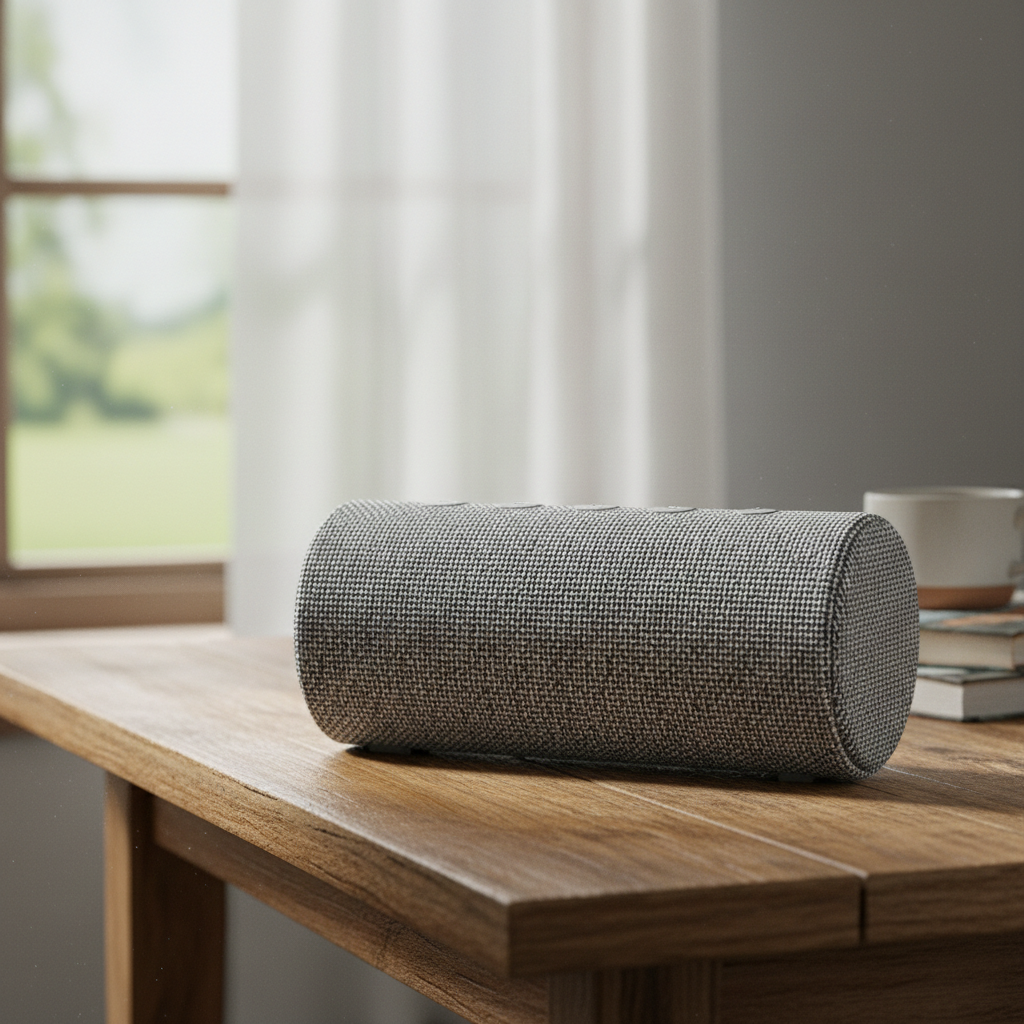
Now, IKEA’s Symfonisk speakers with Sonos actually sound pretty decent. Better than they have any right to at that price. So maybe they’ve learned something. Or maybe – and I’m just throwing this out there – they’re banking on the fact that most people streaming Spotify to a Bluetooth speaker in their kitchen aren’t exactly audiophiles conducting critical listening sessions.
Which is fine, by the way. Not everything needs to be reference quality. Sometimes you just need something that plays music and doesn’t look like a rejected prop from a sci-fi movie.
The Inevitable Copycats
Mark my words, within six months we’re going to see variations of this concept everywhere. West Elm will do a version that costs three times as much. Amazon will flood the market with $30 knockoffs that come in suspiciously similar colors. Some startup will launch a Kickstarter for “the world’s first truly customizable fabric speaker” and conveniently forget this exists.
What Makes This Different (For Now)
The thing is, IKEA’s got scale that most competitors don’t. They can manufacture these in quantities that make the price work while maintaining reasonable quality. And the Tekla partnership gives them actual design credibility – this isn’t just some licensing deal where they slap a designer’s name on existing products.
Plus, there’s something to be said for the ecosystem play. You can already furnish your entire apartment at IKEA. Now you can make it sound good too, with speakers that actually match your aesthetic instead of clashing with it. It’s kind of genius when you think about it – they’re removing one more reason to shop anywhere else.
“The goal was to create speakers that feel like natural parts of your living space, not technology you’re putting up with.”
That’s the kind of design thinking that usually comes from companies charging four times as much. And yeah, that quote might be paraphrased from various press releases, but the sentiment tracks with what they’re actually making.
What This Means for Your Living Room
Let’s get practical for a second. If these speakers actually deliver on the promise – decent sound, good looks, reasonable price, easy to swap the covers – they’re going to sell like crazy. Not to audiophiles or tech enthusiasts necessarily, but to the much larger market of people who just want their stuff to work and look nice.
And that market? It’s huge. It’s everyone who’s ever walked into a room with a Bluetooth speaker and thought “why does this have to be so ugly?” or “why can’t I just make this match my couch?”
The Sustainability Angle (That’s Actually Not Bullshit)
Okay, I’m usually pretty cynical about brands talking sustainability while cranking out endless products. But the swappable cover thing is actually smart here. Instead of buying a whole new speaker when you redecorate or just get bored, you buy a $15 fabric cover. Less waste, and IKEA still makes money. It’s one of those rare win-win situations that doesn’t feel completely cynical.
The recycled polyester claim – well, that’s harder to verify without seeing supply chain documentation, but at least they’re saying it out loud, which means someone can hold them accountable.
The speakers are launching sometime this spring, though exact dates and prices are still pending. Which is very IKEA – building hype while keeping details strategically vague. Smart money says they’ll time it for late spring when people are thinking about outdoor entertaining and summer gatherings.
What I’m most curious about is whether this pushes other furniture retailers to take their tech offerings more seriously. Because right now, most of them are still selling those sad little Bluetooth speakers that look like they time-traveled from 2012. The bar is low. IKEA and Tekla aren’t clearing it by much, but sometimes you don’t need to jump high – you just need to jump while everyone else is still standing there.
Either way, screenshot this article. When you start seeing fabric-covered, earth-toned, suspiciously IKEA-looking speakers everywhere in about eight months, you’ll know exactly where it started. And whether that’s innovation or just really effective trend-setting probably doesn’t matter much to anyone except design historians and people who get worked up about intellectual property on Twitter.