





Michael Desronvil sat across from Fox News cameras on Thursday and did what pretty much everyone expected him to do – he tried to explain away that 2021 domestic violence arrest. You know, the one that’s now making everyone wonder how the hell he ended up as the lone holdout juror who wanted to…
Michael Desronvil sat across from Fox News cameras on Thursday and did what pretty much everyone expected him to do – he tried to explain away that 2021 domestic violence arrest. You know, the one that’s now making everyone wonder how the hell he ended up as the lone holdout juror who wanted to convict Lindsay Clancy of murder.
Here’s what happened: Clancy’s trial ended in a mistrial back on September 4th because Desronvil, 48, was the only juror out of twelve who voted guilty. Everyone else? They apparently saw things differently. And then – because this story couldn’t just be straightforward – it came out that Desronvil had been arrested for domestic violence three years earlier.
The “Blown Out of Proportion” Defense
So Desronvil’s version of events is basically what you’d expect. “That was back in 2021. It was an incident between myself and my ex-wife, you know, that got blown out of proportion,” he told Kayleigh McEnany. “There was no physical abuse, emotional abuse, financial abuse, any of sorts.”
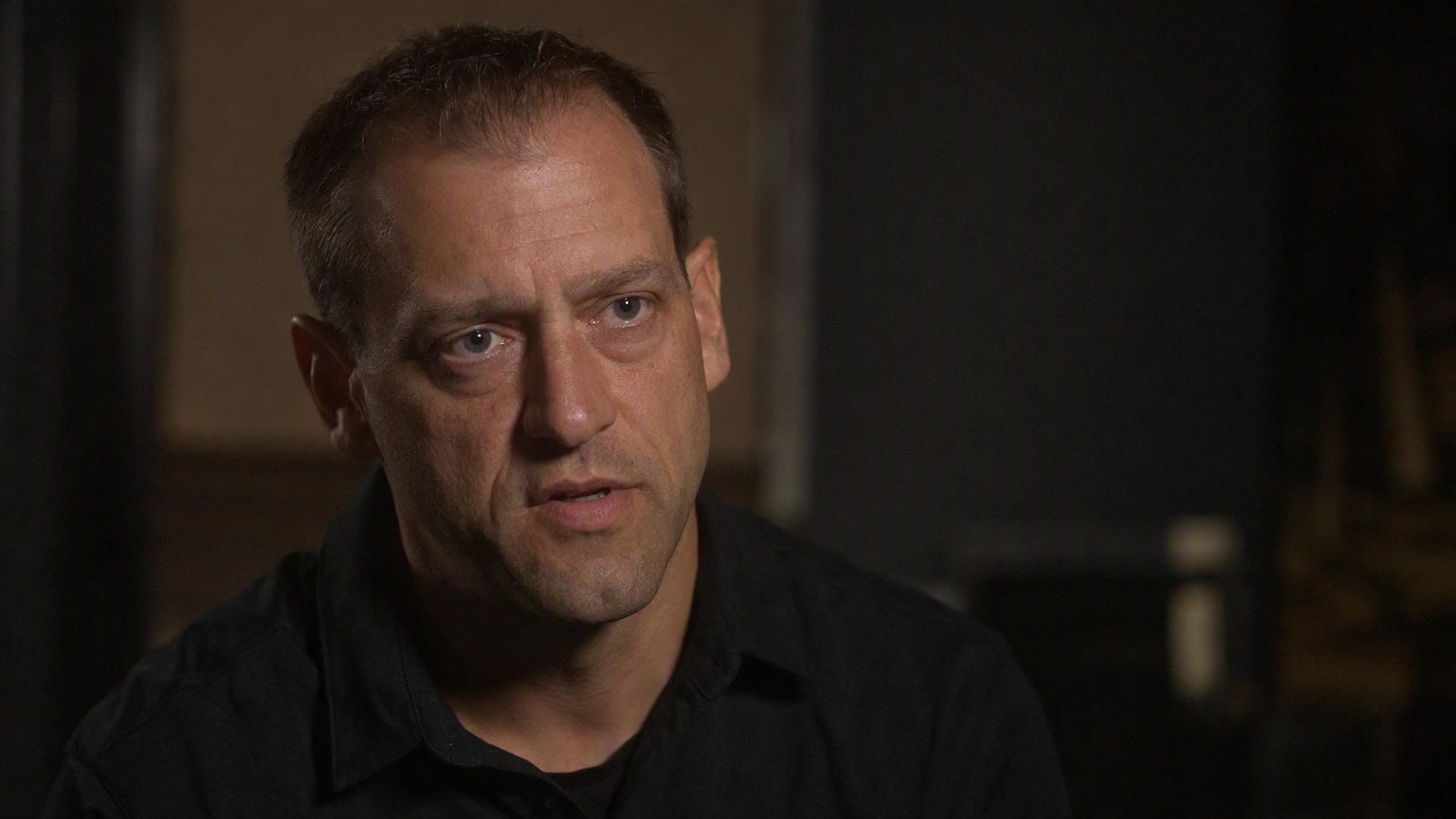
Look, I’ve covered enough of these cases to know that “blown out of proportion” is pretty much the standard response. And maybe it was. Maybe the cops showed up, someone said something, and the whole thing got escalated beyond what actually happened. That does happen.
But here’s the thing – and this is what’s driving everyone crazy about this situation – we’re talking about a guy who just hung a jury in a case where a mother is accused of killing her three young children. The optics are… not great. Actually, they’re terrible.
Why This Matters More Than You Think
The Clancy case isn’t just any murder trial. This is the kind of case that gets into people’s heads, that makes them think about mental illness and postpartum issues and whether someone can be so broken that they’re not really responsible for what they do. Eleven jurors apparently looked at the evidence and came to one conclusion. Desronvil saw something else entirely.
And now we find out he’s got this arrest in his background – an arrest involving his ex-wife, involving allegations (however disputed) of domestic issues. Does that automatically disqualify his judgment? No. But does it raise questions about whether he should’ve been on this jury in the first place? Yeah, it kind of does.

I mean, think about it from the other jurors’ perspective. You sit through weeks of testimony, you deliberate, you’re trying to figure out this incredibly complex case about a woman’s mental state and culpability. And the one person who won’t budge turns out to have this history that nobody knew about during jury selection.
The Voir Dire Problem
This is where the system starts looking pretty flawed, honestly. During voir dire – that’s the jury selection process for anyone who’s never been through it – potential jurors are supposed to answer questions about their backgrounds, their biases, anything that might affect their ability to be fair.
So what happened here? Did Desronvil disclose the arrest and nobody thought it mattered? Did he not mention it? Was the question never asked? Because from where I’m sitting, that seems like something the defense attorneys would’ve wanted to know about.
“There was no physical abuse, emotional abuse, financial abuse, any of sorts.”
What Nobody’s Saying Out Loud
Here’s my take, and I know it’s not going to be popular with everyone: even if Desronvil’s arrest was completely unjustified, even if it really was blown out of proportion and nothing actually happened – the fact that it’s now the story is a problem for the justice system. We're seeing similar tensions play out in The Privacy Tax: Why Proving Your Age Could Cost Your Freedom – disclosure that seems reasonable until you see what it actually costs.
Because now Clancy’s defense has ammunition. They can point to this and say, look, the one juror who wanted to convict her had credibility issues. They can use this in appeals, in motions, in whatever comes next. And that’s true whether Desronvil did anything wrong or not.
The mistrial was already a mess. Clancy’s legal team is probably relieved they didn’t get a conviction, but they also didn’t get an acquittal. The prosecution has to decide whether to retry the whole thing. And meanwhile, three children are still dead and their mother is still sitting in jail waiting to find out what happens next.
The Bigger Picture Nobody Wants to See
What this case really shows – and what makes me kind of furious, if I’m being honest – is how fragile the whole jury system can be. We put twelve random people in a room and ask them to make life-or-death decisions, and then we act surprised when their personal histories and biases and baggage affect how they see things. It's a bit like when Scientists Found Rogue AI in the Wild – And It Talked Back, operating beyond the systems meant to control them.
Desronvil says his arrest was nothing. Maybe he’s right. But the timing of him coming forward now, after the mistrial, after his identity became public, after his past became part of the story… it all feels reactive rather than proactive. He’s doing damage control.
And you know what? I don’t entirely blame him for that. But I also think we need to be asking harder questions about how someone with an arrest for domestic violence – justified or not, resolved or not – ends up as the deciding vote in a case about a mother accused of killing her kids. Those two things aren’t unrelated, even if we want to pretend they are.
The Clancy case isn’t over. Not by a long shot. But it just got a whole lot more complicated, and Desronvil’s interview didn’t make anything clearer. If anything, it just gave everyone more questions to ask.