





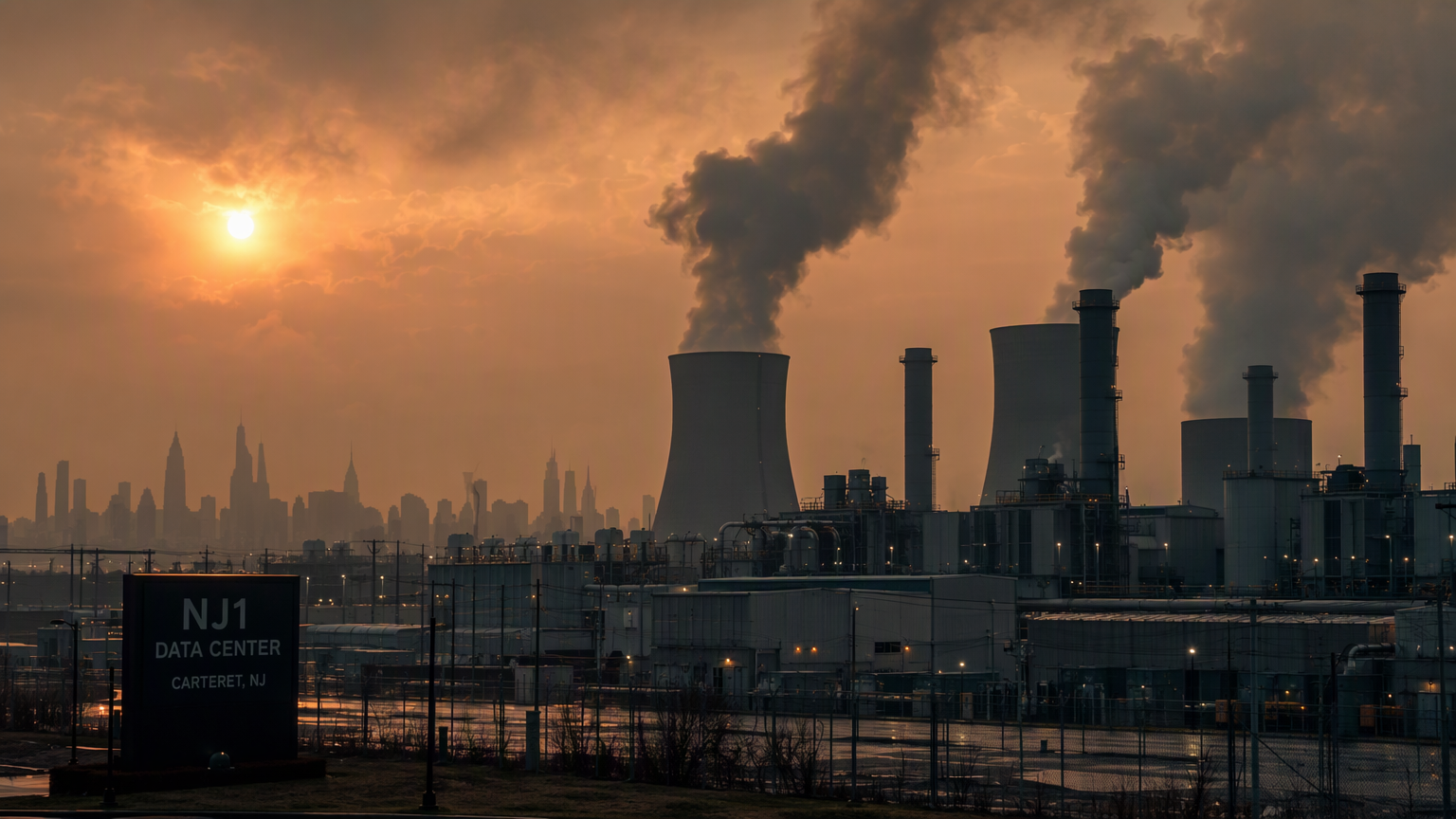
New Jersey just handed out its biggest pollution fine in state history, and the culprit isn’t some old coal plant or a chemical refinery you’ve never heard of. It’s a data center. Specifically, one that helps run Microsoft Copilot. The fine? $1.1 million. And honestly, once you dig into why, it makes a weird kind of sense that this is where we’ve ended up.
So What Actually Happened Here
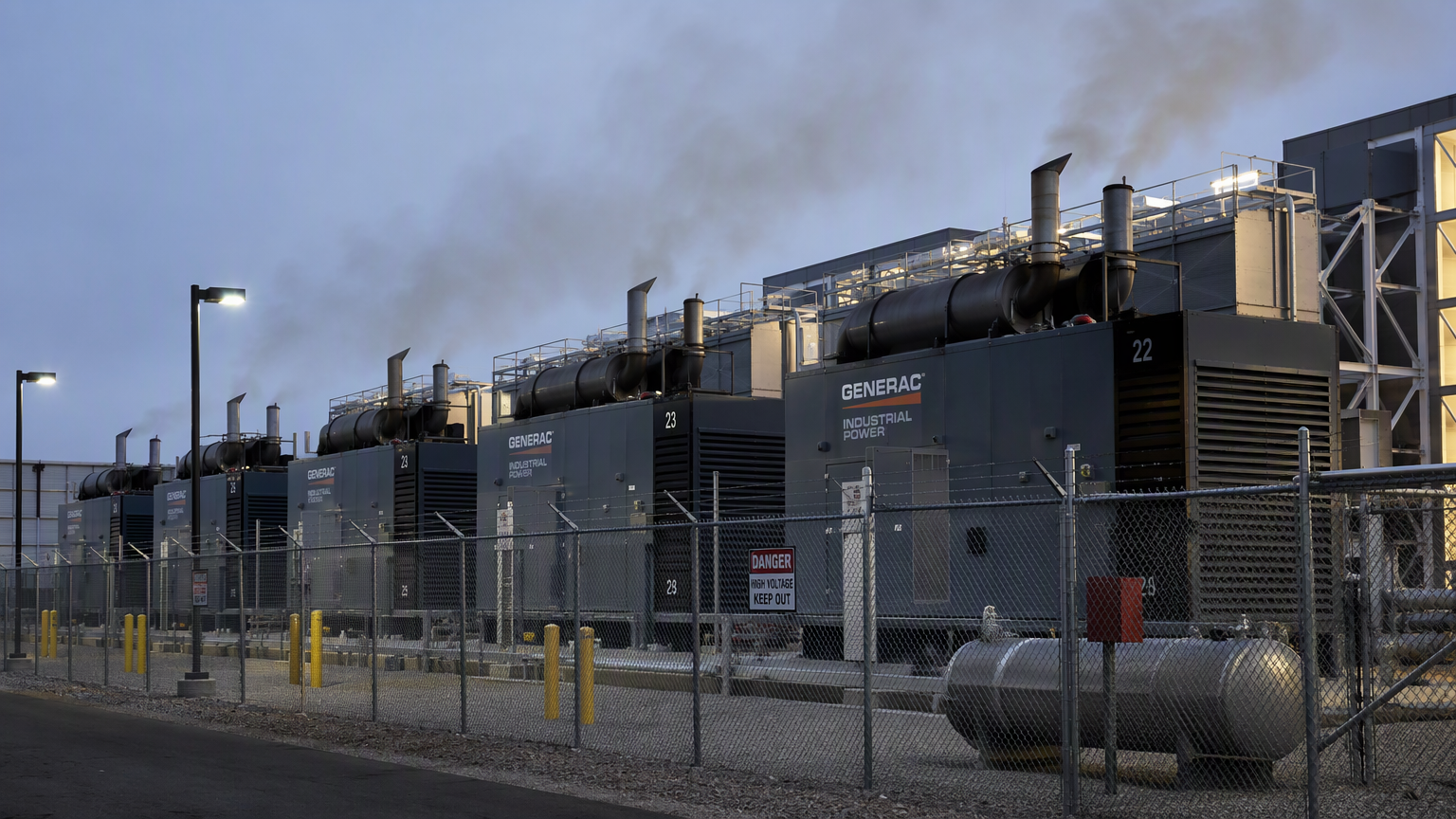
The facility in question got slapped with this record fine for air quality violations tied to the backup generators it uses to keep the servers running no matter what. These aren’t your garden variety generators either, we’re talking about massive diesel units that exist specifically so the AI never has to take a nap, even during a blackout. New Jersey’s Department of Environmental Protection apparently found the facility was violating emissions limits, and not by a little. This was big. Really big, according to the numbers being reported.
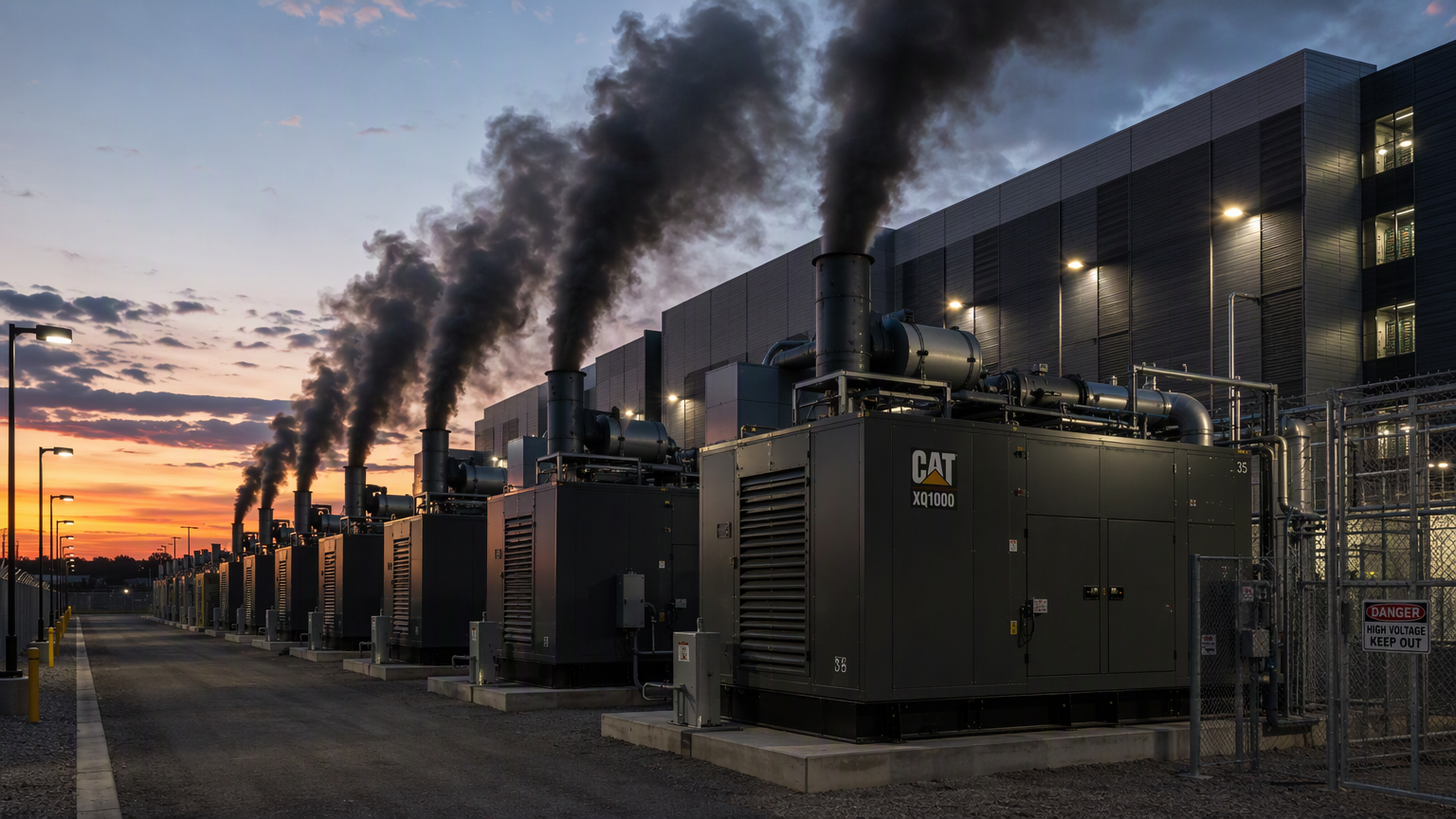
Here’s the thing that jumped out at me first: we talk about AI like it’s this ethereal, cloud-based magic trick, but it’s not. It’s steel and diesel and cooling systems and, apparently, a whole lot of exhaust. Every time you ask Copilot to summarize an email or write you a poem about your cat, there’s a very real, very physical data center somewhere burning through resources to make that happen. New Jersey just put a price tag on part of that reality, and it’s not a small one.
Why New Jersey, Of All Places
New Jersey has become something of a data center hotspot, mostly because it sits close to major population centers and has the power infrastructure (however strained) to support these facilities. But the state also has some of the more aggressive environmental enforcement on the East Coast, which, in this case, actually worked the way it’s supposed to. I’ll admit, that’s kind of refreshing to see. Regulators noticing a problem and actually doing something about it instead of just writing a strongly worded letter.
But Is This Just The Beginning?
Here’s what nobody’s really talking about enough: this data center isn’t unique. It’s not some outlier bad actor. It’s basically the norm. Data centers powering AI tools are popping up everywhere, and a lot of them lean on diesel backup generators as part of their standard operating setup. That’s not a scandal, that’s just how the industry works right now. What IS notable is that this particular facility apparently pushed things far enough, or got caught clearly enough, that the state decided to make an example of it.
“We’re building the infrastructure for the future while pretending it doesn’t have a physical footprint at all.”
That quote isn’t from anyone in this specific case, to be clear, but it captures the vibe perfectly. Tech companies love talking about AI as if it exists in some weightless digital realm. Meanwhile the actual data centers running these models are guzzling water for cooling, straining local power grids, and now, apparently, blowing past pollution limits. Somebody has to pay for all this computing power, and increasingly it looks like local communities and their air quality are footing part of the bill.
The Part Everyone’s Missing
What’s interesting here isn’t really the fine amount, even though $1.1 million sounds like a lot (it’s honestly a rounding error for a company the size of Microsoft, let’s not kid ourselves). What’s interesting is what this fine represents: the first real, tangible cost of the AI boom showing up in a place most people never think to look. We’ve spent two years arguing about whether AI will take our jobs, whether it’ll hallucinate us into oblivion, whether it’s going to replace writers like me. Meanwhile, actual measurable environmental damage has been quietly accumulating in the background, and apparently, at least in New Jersey, somebody finally noticed.
I’ve seen this pattern before, not gonna lie. It’s the classic tech industry playbook: move fast, build the infrastructure, worry about consequences later. We saw it with crypto mining and its insane energy appetite. We’re seeing it again now with AI, except this time the scale is arguably bigger because basically every major tech company is racing to build out data center capacity as fast as physically possible. Nobody wants to be the company that “loses” the AI race because they were too slow to build servers.
Who Actually Pays For This
Local communities, mostly. The people living near these data centers deal with the noise, the traffic, the strain on local power grids, and now we’re finding out, potentially worse air quality too. Meanwhile the benefits of the AI tools these centers power get distributed globally to anyone with a Microsoft 365 subscription. That imbalance bugs me, if I’m being honest. The costs are hyper-local. The benefits are massively diffuse. That’s not a great setup for the towns actually hosting this infrastructure.
And look, I get the counterargument. Data centers create jobs, they bring in tax revenue, some of them do genuinely invest in the communities around them. But a record-setting pollution fine kind of undercuts the “good neighbor” narrative these companies love pushing in their sustainability reports. You can’t publish a glossy PDF about your carbon-neutral goals while your backup generators are apparently violating state emissions standards. That’s just not a good look, and it shouldn’t be treated as a footnote.
What This Actually Means
The real story here isn’t one facility in New Jersey getting fined. It’s what this fine reveals about an industry that’s expanding faster than anyone can regulate, monitor, or fully understand yet. We’re basically building the physical backbone of the AI era in real time, and from what I can tell, oversight is scrambling to catch up. This fine is a warning shot, not a resolution. There will be more of these. Probably a lot more, honestly, as regulators in other states start scrutinizing their own data center booms with a little more skepticism.
Here’s what you need to know going forward: AI’s environmental footprint isn’t some abstract future concern anymore. It’s showing up right now, in fines, in strained power grids, in local air quality complaints. The next time someone tells you AI is just “in the cloud,” you can politely remind them that clouds don’t need diesel generators. Somewhere, right now, there’s a data center running full tilt so someone’s Copilot chat can finish generating a response a half second faster. Whether that tradeoff is worth it is a conversation we should’ve started having a while ago. We’re just getting around to it now, apparently, one record-breaking fine at a time.

