
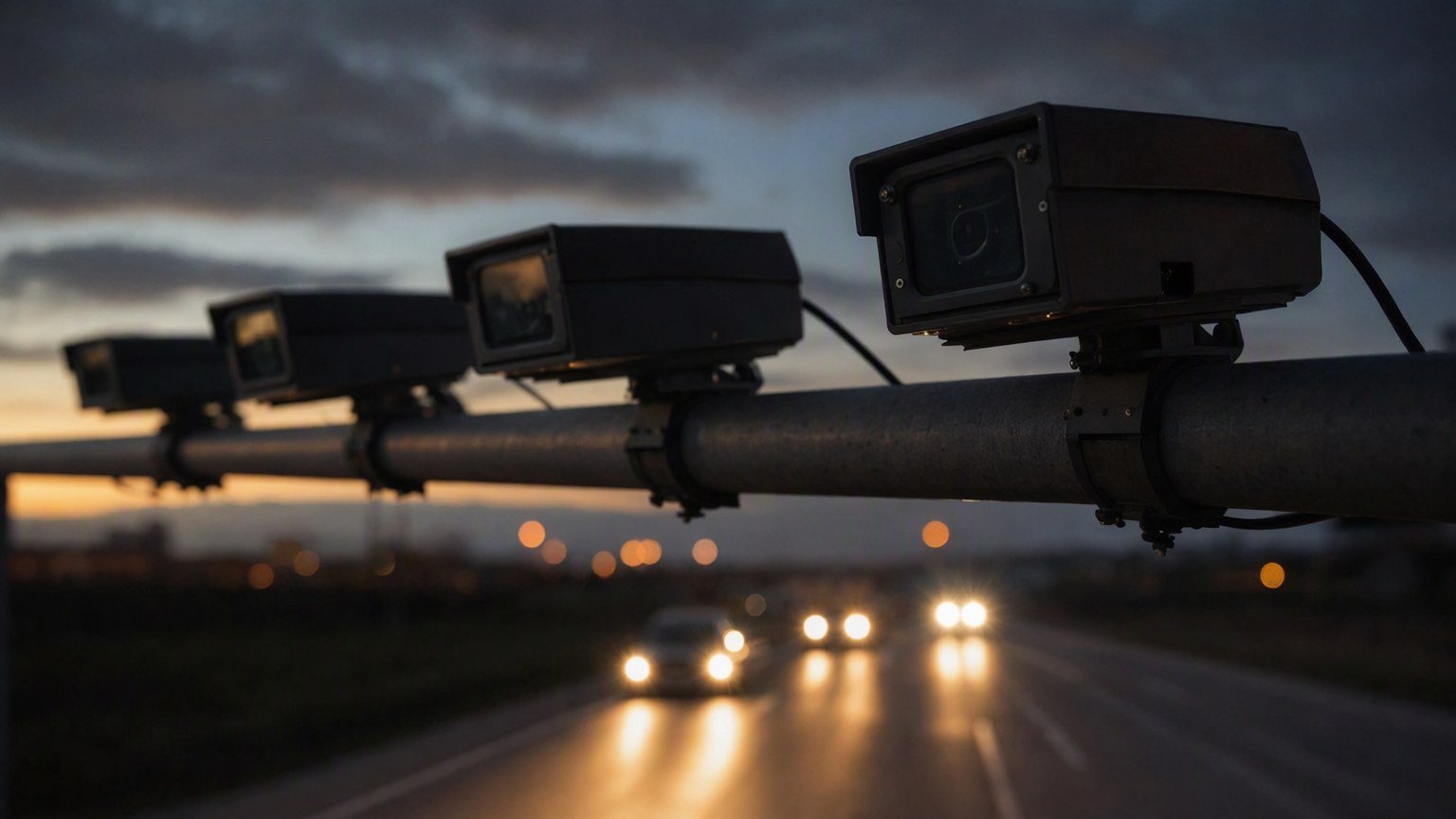
A federal judge just put a sentence in a court ruling that every Flock Safety camera system in the country should probably be nervous about: “indiscriminate mass surveillance.” That’s not a privacy advocate’s talking point. That’s a federal judge in Oklahoma, writing it down, in an actual legal…
A federal judge just put a sentence in a court ruling that every Flock Safety camera system in the country should probably be nervous about: “indiscriminate mass surveillance.” That’s not a privacy advocate’s talking point. That’s a federal judge in Oklahoma, writing it down, in an actual legal opinion, this week.
So what actually happened in Tulsa
Here’s the setup. A Tulsa County sheriff’s deputy ran a search through Flock’s license plate database looking for a woman’s car. Her crime, as far as the judge could tell? Having a California plate on it. That’s it. That’s the whole justification. No warrant, no particular suspicion tied to an actual investigation – just a plate from out of state showing up in the system.
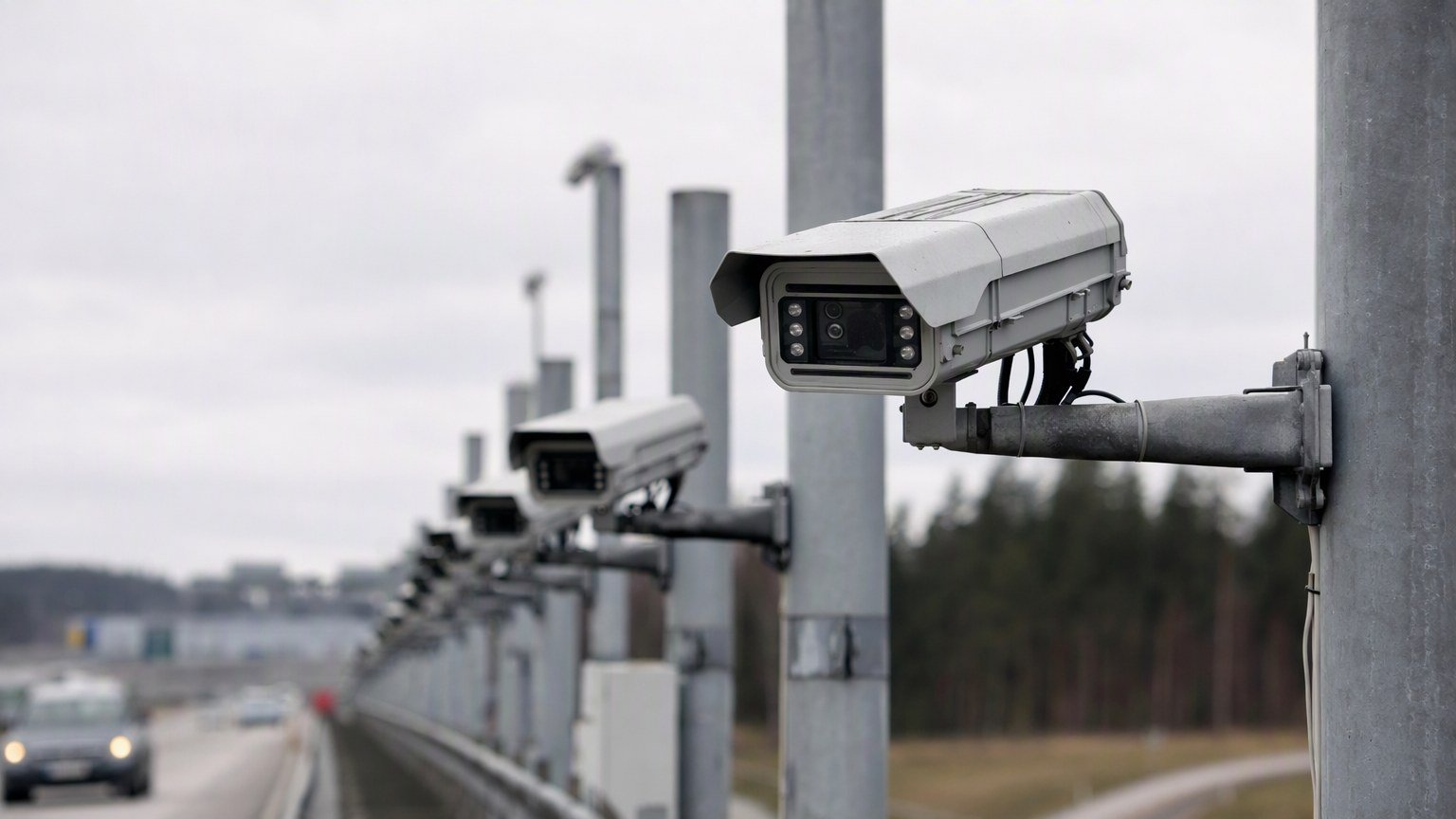
Judge Sara Hill wasn’t having it. She ruled the deputy violated the woman’s Fourth Amendment rights by searching Flock’s database without a warrant, and said he had “no apparent reason” for the search other than the California plate itself. The deputy then used her travel history pulled from Flock to help justify pulling her car over, and allegedly found 91 pounds of methamphetamine inside. Big bust, right? Except Judge Hill tossed it. All of it. She wrote that the evidence had to be suppressed as “fruit of the poisonous tree” – meaning once the search itself is illegal, everything that comes after it is tainted too, no matter how good the find was.
And look, I get the instinct to say “but they caught a drug trafficker, who cares how they got there.” I understand that reaction. But that’s exactly the kind of thinking that erodes the Fourth Amendment one case at a time. The rule exists precisely for moments when the stakes feel high enough to justify cutting corners. That’s the whole point of it.
This wasn’t just about one deputy
What makes this ruling actually interesting – and not just a one-off “cop messed up” story – is that Judge Hill didn’t stop at the individual search. She went after the broader practice. She wrote that tracking people’s location, even in public, becomes “constitutionally problematic” when law enforcement can do it at scale, continuously, without any real oversight. That’s basically describing what Flock’s entire network does by design.
Why this matters way beyond Tulsa
Flock Safety cameras are everywhere now. Thousands of cities, tens of thousands of cameras, scanning plates and building travel histories that police departments across the country can search – often without a warrant, often without anyone outside the department even knowing the search happened. The pitch to cities has always been “find stolen cars, solve crimes faster.” And sure, it probably does that sometimes. But the tradeoff nobody really voted on is a nationwide database that can tell you where basically anyone with a car has been.
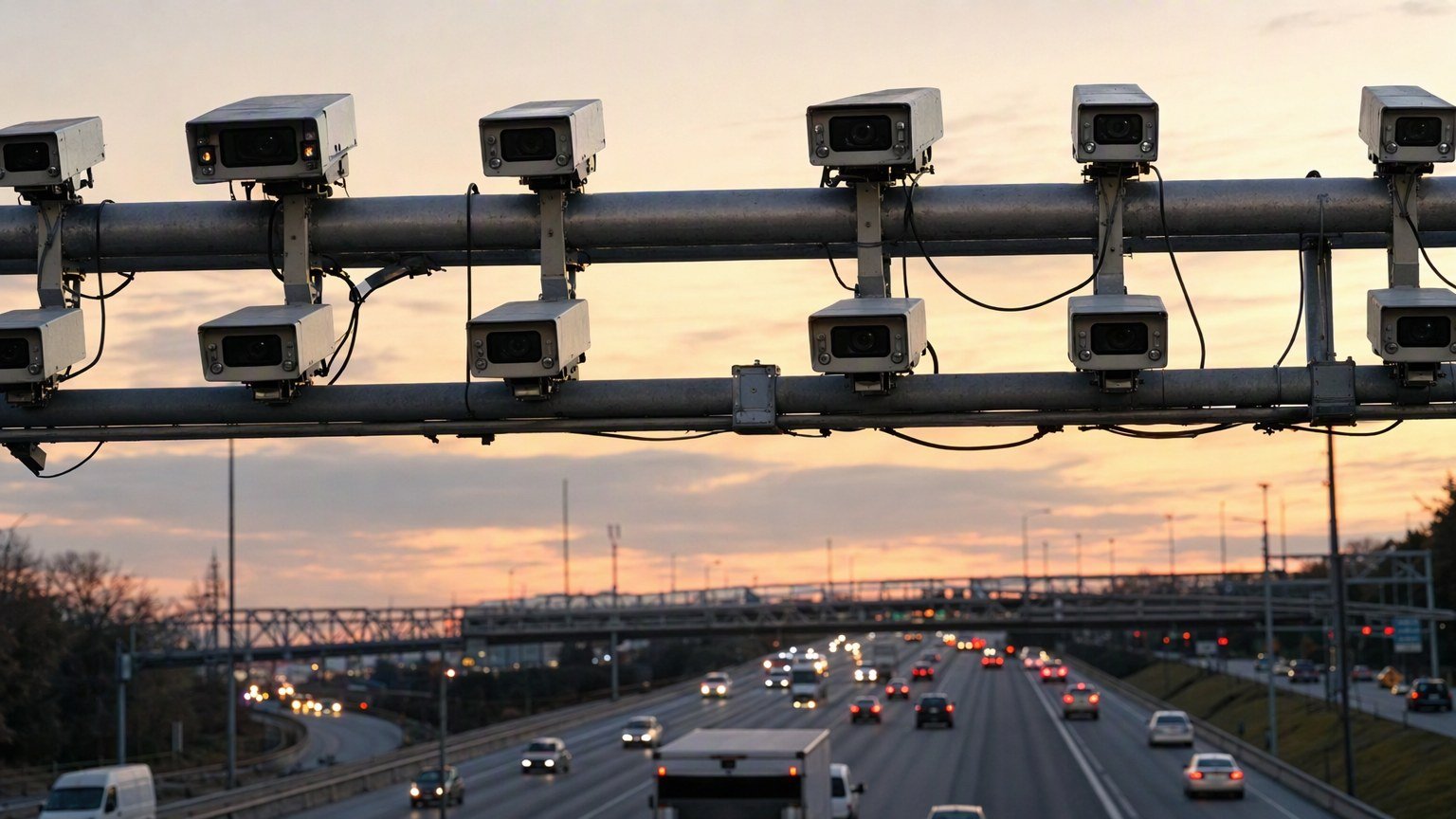
“Tracking a person’s movements, even in public, becomes constitutionally problematic when law enforcement does so pervasively and without judicial oversight.”
That’s basically the thesis of the ruling, and I think it’s right. This isn’t a binding precedent, to be clear – one federal judge in Oklahoma doesn’t rewrite Fourth Amendment law for the whole country. But it’s one of the first times a federal judge has looked at a Flock search specifically and said, out loud, this doesn’t pass constitutional muster. That matters even if it’s not binding. Other judges read these opinions. Defense attorneys cite them. It becomes ammunition.
The bigger problem nobody’s really solved
Here’s the thing that bugs me about systems like Flock – the technology itself isn’t really the issue. Cameras reading license plates isn’t some dystopian sci-fi concept, cities have had plate readers for years. The issue is scale plus access plus zero friction. When a cop can run a plate search on a whim, with no warrant requirement, no supervisor sign-off, no real audit trail that anyone checks… you’ve basically built a surveillance tool and then just hoped people use it responsibly.
That’s not a plan. That’s a vibe. And vibes don’t hold up well in court, apparently.
I’ve seen this pattern before with other tech-meets-policing stories – the tool gets sold as neutral and efficient, departments adopt it fast because budgets love “efficient,” and then years later a judge or a journalist (shoutout to 404 Media for digging into this one) finds the case where it clearly got abused. Flock’s not uniquely evil here. It’s just the current version of a story we’ve told before with Stingray devices, with facial recognition, with predictive policing software. Same arc, different acronym.
What this actually means
I don’t think this ruling kills Flock. Not even close – the company’s embedded in way too many city budgets and police department workflows at this point, and one non-binding ruling from one district isn’t going to unwind that overnight. But it does hand defense attorneys a real citation to work with, and it puts departments on notice that “we had access to the database” isn’t the same thing as “we had a legal reason to use it.”
The uncomfortable question underneath all this is one most cities never really asked before they signed the contract: should any single law enforcement agency have the ability to pull up a stranger’s entire driving history just because the plate looked a little out of place? Judge Hill says no, not without a warrant. I’d bet this won’t be the last judge to say it either.