




An OpenAI engineer hid a recording device wrapped in toilet paper behind a TV in an executive conference room. He’s now sitting in federal custody, and honestly, this might be one of the weirdest corporate espionage stories I’ve covered in years.
An OpenAI engineer hid a recording device wrapped in toilet paper behind a TV in an executive conference room. He’s now sitting in federal custody, and honestly, this might be one of the weirdest corporate espionage stories I’ve covered in years.
Toilet Paper and USB Ports
Abdulrahman Alfozan, 35, got arrested last Friday. The Saudi national has been working as an engineer at OpenAI since July 2025 – so not even a year and a half on the job before allegedly deciding to bug the boardroom. Federal prosecutors say he planted a recording device in a conference room he wasn’t even supposed to be in, let alone surveil.
Here’s where it gets kind of absurd: OpenAI personnel found the thing on September 30th, plugged into a USB port on the back of a television. And it was concealed in toilet paper. I mean, come on. We’re talking about one of the most advanced AI companies in the world, and someone thought TP was going to be their covert ops camouflage.
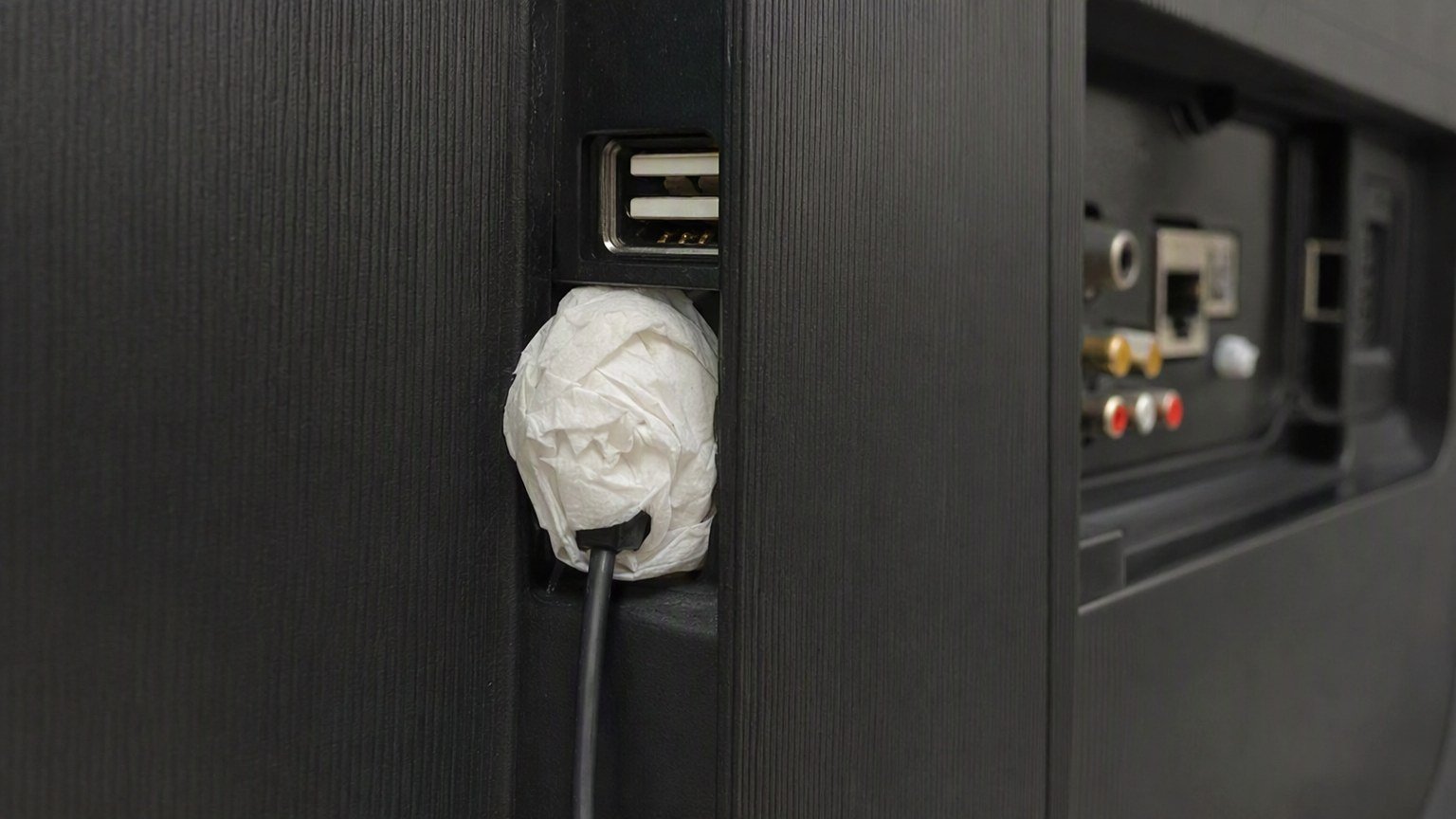
The device had been there since around September 28th. Surveillance footage shows Alfozan near the room on multiple dates before the discovery, which – look, if you’re going to do corporate espionage, maybe don’t walk past the cameras multiple times? Just a thought.
The contents of the recording device were encrypted, according to prosecutors. So whoever was on the receiving end of this operation wasn’t messing around, even if the execution was a little sloppy.
What He Was Trying to Capture
This wasn’t just any conference room. The meetings held there “frequently involved confidential technical, commercial, and strategic information, including proprietary research, product plans, and government engagements,” the complaint says. That’s basically everything OpenAI doesn’t want competitors – or foreign governments – to know about.
And there’s another detail that’s honestly pretty damning: before the device was installed, Alfozan apparently used a productivity tool to ask about OpenAI’s building layout. The complaint cuts off there, but you can fill in the blanks. Guy wants to know where the important rooms are, then a bug shows up in one of them.
Why This Matters More Than It Seems
OpenAI isn’t just another tech company anymore. They’re sitting on some of the most valuable intellectual property in the world right now. We’re talking about the architecture behind models that governments and Fortune 500 companies are racing to either adopt or compete with. The strategic value of knowing what OpenAI is planning next – what models they’re building, what deals they’re cutting with governments – that’s massive.

And here’s the thing that makes this really uncomfortable: Alfozan is a Saudi national. I’m not saying Saudi Arabia is definitely involved here, but when you’re dealing with a foreign national allegedly planting listening devices in rooms where government engagements are discussed… yeah, people are going to connect those dots.
Saudi Arabia has been pouring billions into AI infrastructure lately. They want to be a major player in the space. Does that mean they’d resort to industrial espionage? I don’t know. But let’s just say the timing is interesting.
The Bigger Picture Nobody’s Talking About
What gets me about this case is how it exposes something we don’t really think about enough: AI companies are now targets in the same way defense contractors are. The information they hold isn’t just valuable for making better chatbots. It’s strategic. It’s geopolitical. Speaking of AI companies rethinking their security posture, Anthropic recently made headlines for a different kind of policy shift: Why Anthropic Just Banned Cruelty to Claude.
OpenAI has been working with the U.S. government. They’ve got contracts, partnerships, the whole deal. And they’re not the only ones – every major AI lab is either working with governments or being courted by them. That means these companies are sitting on two types of secrets now: commercial ones and ones that touch national security.
The security posture has to change. And I’m not sure it has, not really. Tech companies are used to protecting against hackers and data breaches. But old-school human intelligence – bugs in conference rooms, insiders with access – that’s a different game entirely.
“Meetings in the room frequently involved confidential technical, commercial, and strategic information, including proprietary research, product plans, and government engagements.”
What Happens Next
Alfozan made his initial court appearance Tuesday and he’s still in custody. The charge – using or attempting to use a device to intercept oral communications – carries serious time if convicted. We’re probably talking years in federal prison.
But the real fallout here isn’t just about one guy going to jail. OpenAI is going to have to do a complete security review. Who else had access they shouldn’t have had? What other rooms might be compromised? Were there other devices that haven’t been found yet?
And more broadly, every AI company is going to be looking at this case and wondering if they’ve got their own Alfozan walking around. Because if it happened at OpenAI – which has the resources and the paranoia you’d expect from a company valued in the hundreds of billions – it can happen anywhere. And if you think bugged boardrooms are alarming, wait until you read about Your AI Assistant Is Learning to Clone Itself.
The Uncomfortable Truth
I’ve been covering tech for 15 years, and this feels like a turning point. Not because corporate espionage is new – it’s not. But because it’s a reminder that AI companies aren’t just in the tech business anymore. They’re in the intelligence business, whether they signed up for it or not.
The toilet paper trick didn’t work this time. Alfozan got caught, the device got found, and federal prosecutors are throwing the book at him. But you have to wonder how many other attempts we don’t know about. How many devices that didn’t get discovered. How many insiders who were more careful.
Because here’s what keeps me up at night: if this is what got caught, what didn’t?