





So Ukraine’s been bombing Russian data centers, and now Volodymyr Zelensky’s claiming there’s “less hate, less division” online because Russian bot networks are supposedly down for the count. Bold claim. Really bold. And honestly? I wanted it to be true.
So Ukraine’s been bombing Russian data centers, and now Volodymyr Zelensky’s claiming there’s “less hate, less division” online because Russian bot networks are supposedly down for the count. Bold claim. Really bold. And honestly? I wanted it to be true.
But here’s the thing – experts are basically saying “not so fast.”
The Data Center Strikes Were Real. The Bot Apocalypse? Not So Much.
Let’s start with what actually happened, because the physical attacks are legit. Since October 8th, Ukraine has hit three out of five data centers operated by Yandex – you know, Russia’s answer to Google. The second strike last Thursday was apparently significant enough that Yandex itself announced it was struggling to keep its services running.
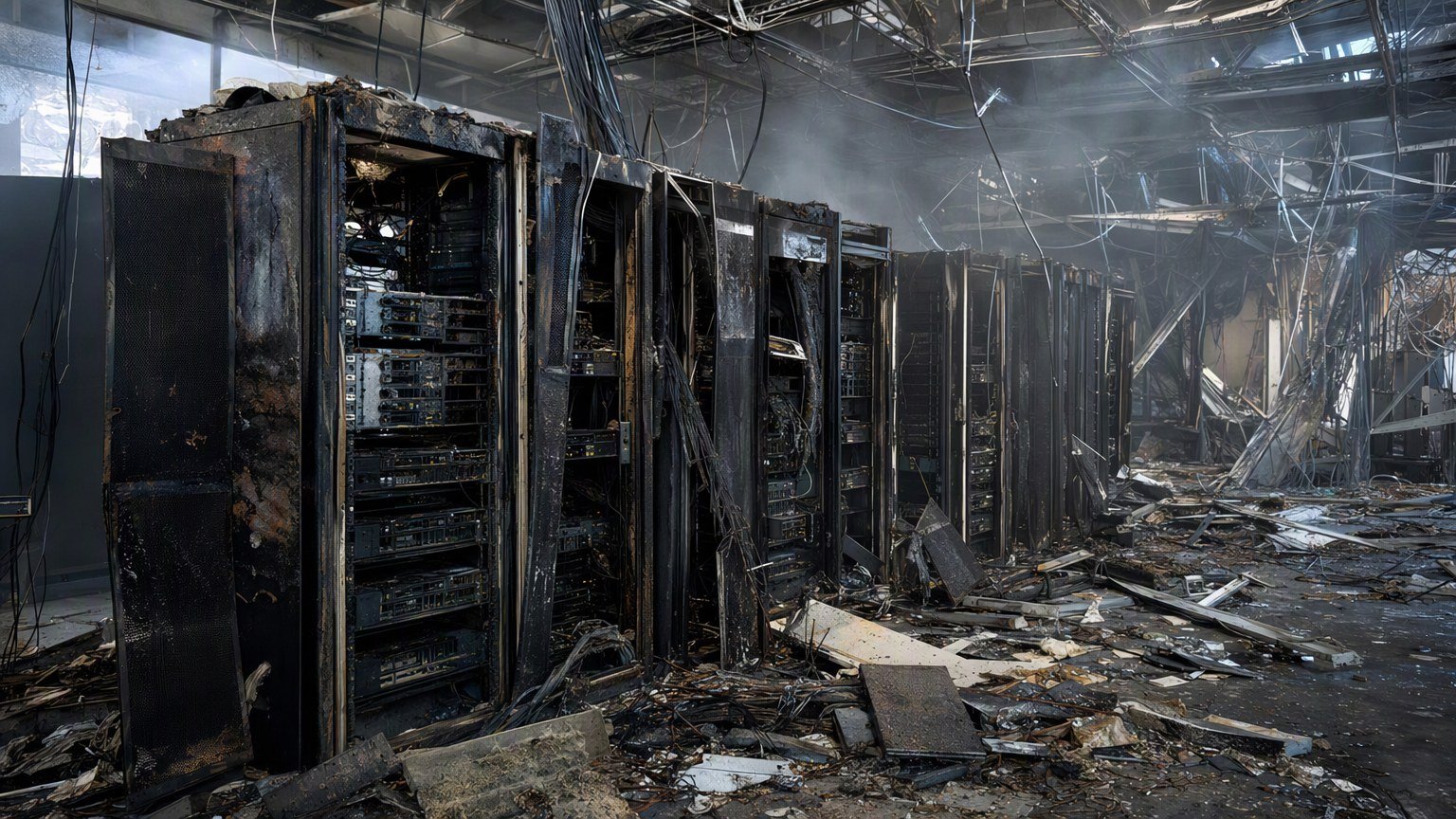
That’s concrete. That’s verifiable. Buildings got bombed, servers went down, a major tech company admitted it had problems.
And then the narrative took off. Viral posts started flooding social media claiming Russian influence operations had taken a massive hit. The bot armies were supposedly in retreat. Zelensky jumped on it Monday, suggesting the online world was suddenly cleaner because there were “fewer bots” pumping out Kremlin propaganda. The Day Russia's Troll Army Went Dark covers how that narrative emerged and spread so fast.
I mean, wouldn’t that be nice? After more than a decade of documented Russian disinformation campaigns – and yeah, researchers and journalists have been tracking these operations for that long – wouldn’t it be satisfying if a few well-placed strikes could just… turn off the firehose of garbage?
But Experts Aren’t Buying It
Here’s where it gets frustrating. The researchers who actually monitor these bot networks on a daily basis are saying they haven’t seen evidence of any significant reduction. Not “we need more time to assess” – they’re saying the data doesn’t support the claim. Period. Why Russia's Influence Machine Survived the Drone Strikes breaks down exactly what the monitoring data shows.
And look, I get why this story spread. It’s got everything – Ukrainian military success, tangible damage to Russian infrastructure, a feel-good tech angle where the bad guys’ propaganda machine gets unplugged. It’s the kind of story that wants to be true.
Why This Probably Doesn’t Work the Way We’d Like
The problem is we’re dealing with influence operations that have been running for over ten years. These aren’t some fly-by-night spam operations hosted on a single server in Vladivostok. They’re distributed, they’re sophisticated, and honestly, they’ve probably got redundancies we haven’t even mapped yet.

Think about it – would Russia really centralize all its bot networks in the same data centers that host Yandex’s public-facing services? The same services that Ukrainian intelligence obviously knows about and can target? That seems… optimistic at best, strategically stupid at worst.
Russian disinformation operations push pro-Kremlin narratives across dozens of platforms, coordinate inauthentic behavior, spam social media feeds with messages about the Ukraine war, and generally work to support Moscow’s interests online. This stuff is the backbone of their information warfare strategy. You don’t put that in the same building as your search engine unless you want it to go dark.
“Less hate, less division and fewer provocations online because of fewer bots.” – Volodymyr Zelensky
I actually wish Zelensky was right here. Not gonna lie – the idea that you could bomb your way out of a bot problem is appealing in its directness. But influence operations in 2025 are cloud-based, internationally distributed, and probably running on infrastructure spanning multiple countries and providers.
What’s Really Going On Here
So if the experts aren’t seeing a drop in bot activity, what are we looking at? A few possibilities, and none of them are particularly satisfying:
One – maybe there was a temporary dip that’s already recovered. Bot networks can spin up pretty quickly, and if there was a brief reduction, it might’ve been over before researchers could even document it properly.
Two – maybe what people are interpreting as “fewer bots” is actually just… randomness? Influence operations ebb and flow. They target different issues at different times. Correlation isn’t causation and all that.
Three – and this is the cynical take but probably worth considering – maybe this is just effective counter-narrative from Ukraine. They hit some Russian infrastructure, it made news, and linking it to bot networks is good PR even if the connection is thin. The Bot Army Vanishes: What Reform Doesn't Want You to Know explores another angle on this exact dynamic.
I don’t say that to be dismissive of Ukraine’s information strategy, by the way. They’re fighting an existential war and information warfare is part of that. But we should still care about what’s actually true.
The Information War Continues
Here’s what bugs me about this whole thing – it feeds into this idea that there’s a simple solution to online disinformation. Hit the right target, take out the right server, and suddenly the internet gets cleaner. But it’s never been that simple, and it probably never will be.
Russian influence operations have been adapting and evolving for more than a decade. They survived platform bans, public exposure, international sanctions, and countless security crackdowns. The idea that conventional military strikes would be the thing that finally stops them? It doesn’t really track.
Don’t get me wrong – Ukraine absolutely should be hitting Russian infrastructure that supports the war effort, including cyber and information warfare capabilities. But let’s not kid ourselves that we’re seeing the end of Russian bot networks because Yandex’s data centers took some damage.
The bots are still out there. The disinformation is still flowing. And the information war is still very much on. Sometimes the truth is just less satisfying than the story we want to believe.