
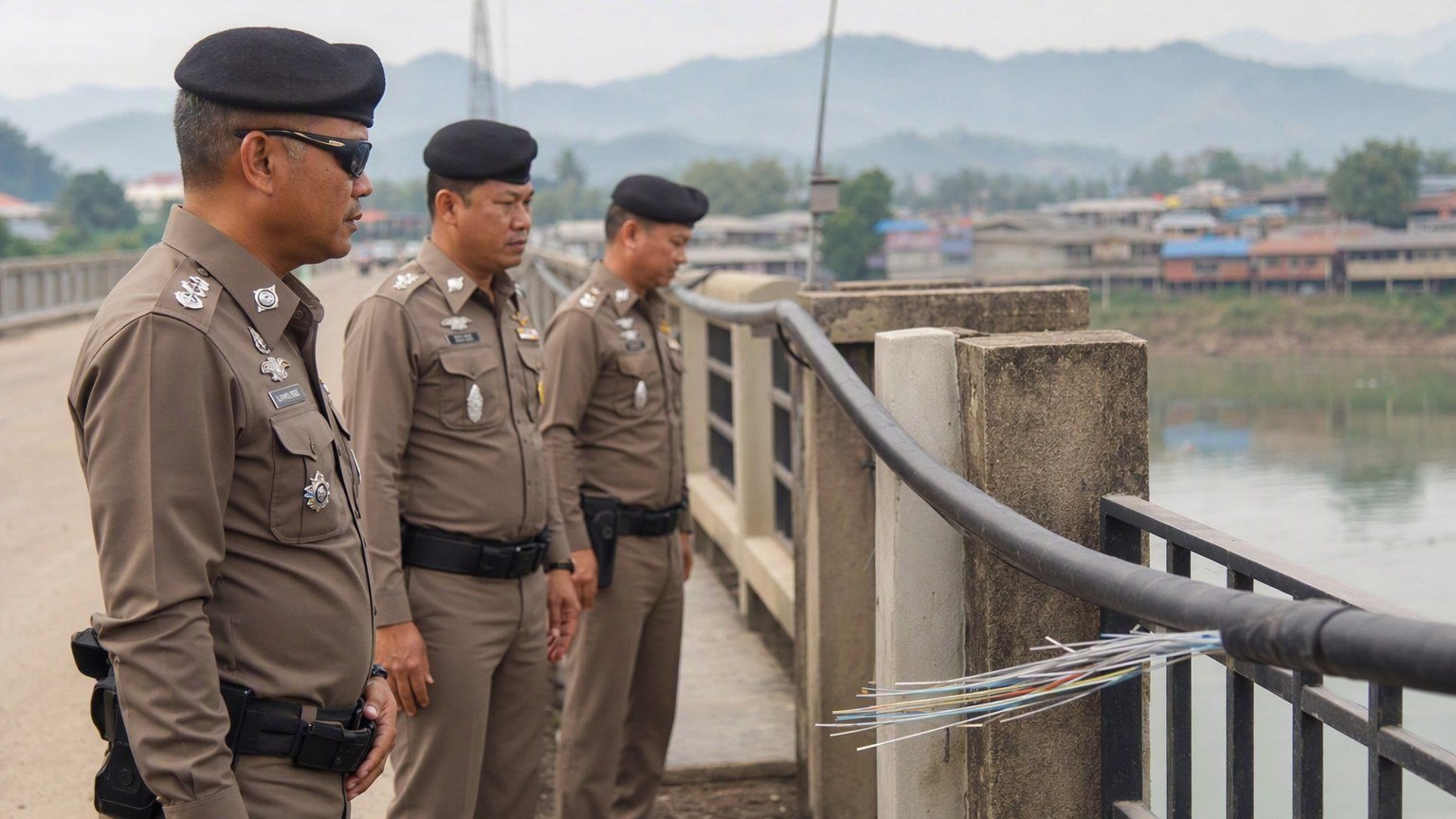
Thai police just found a 350-meter fiberoptic cable – we’re talking 48 cores, heavy-duty stuff – strung up on pylons and running straight across the border into Myanmar. And what was it powering? An illegal casino and what authorities are calling a scam compound. Because of course it was.
Thai police just found a 350-meter fiberoptic cable – we’re talking 48 cores, heavy-duty stuff – strung up on pylons and running straight across the border into Myanmar. And what was it powering? An illegal casino and what authorities are calling a scam compound. Because of course it was.
This Wasn’t Some Amateur Hour Operation
Here’s what gets me about this whole thing. The cops were called to these two beat-up houses in Nong Lu, a village in Kanchanaburi province. That’s right on the border with Myanmar, near Three Pagodas Pass – which, if you know anything about this region, you know is basically ground zero for cyber scam operations.
And these “ramshackle homes” (their words, not mine) were using enough daily bandwidth to power an entire village. Like, that’s not a red flag or anything.
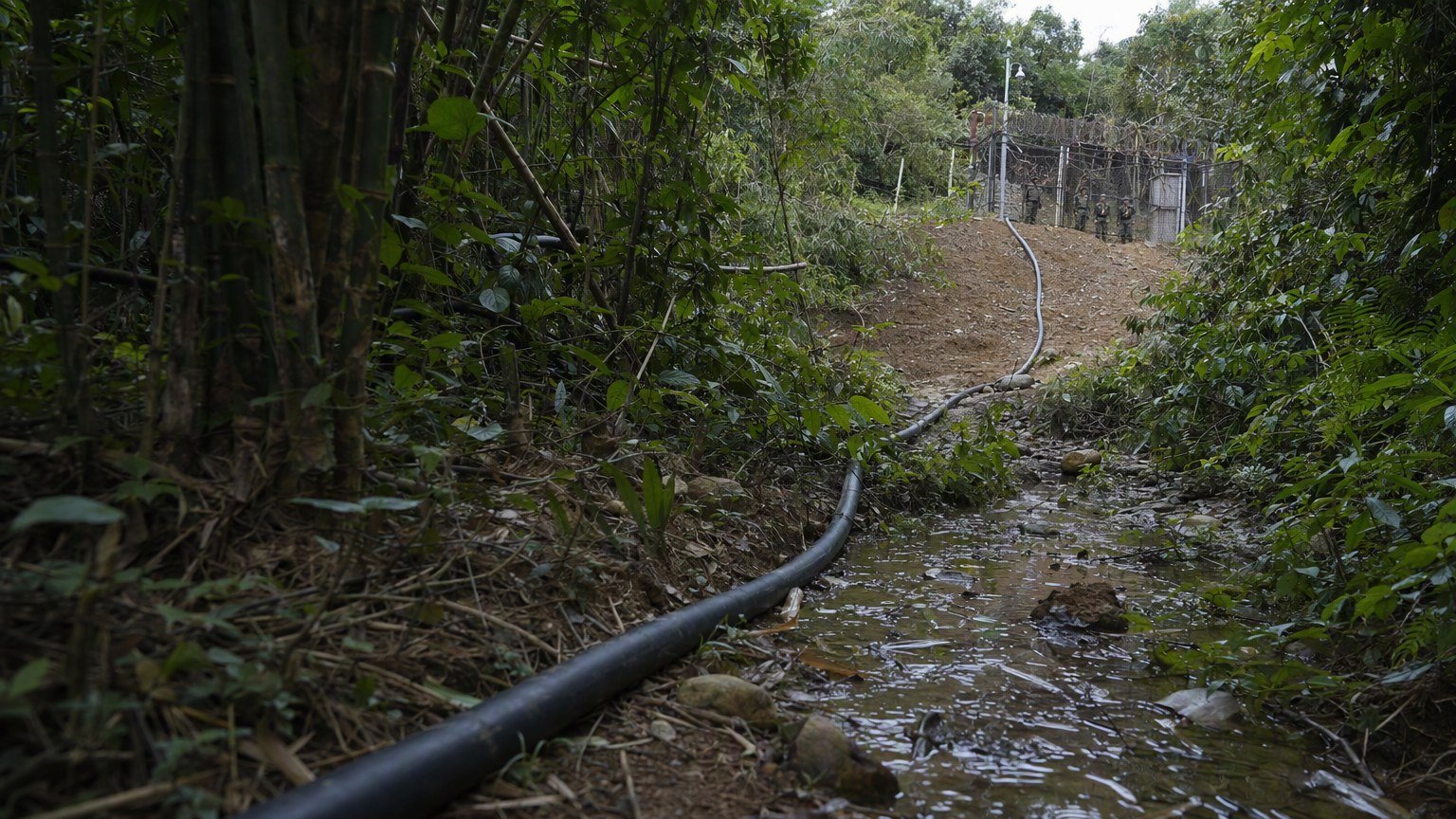
When officers actually investigated, they found this cable situation that honestly takes some guts to pull off. We’re not talking about someone stealing their neighbor’s WiFi here. This was 1,100 feet of serious telecommunications infrastructure, just casually crossing an international border to feed 6TB of data per day to what was essentially a crime factory on the other side.
The Audacity, Really
I mean, the sheer audacity. Someone looked at the border between Thailand and Myanmar and thought, “You know what? I’m gonna run a cable.” And then they actually did it. Strung it up on pylons like it was the most normal thing in the world.
Why Myanmar? (As If We Don’t Know)
Look, this isn’t happening in a vacuum. Myanmar’s border regions have become this weird lawless zone where scam operations have basically set up shop. And I’m not talking about your garden-variety phishing emails here.

These compounds – and that’s what they are, compounds – run massive operations. Online casinos that aren’t legal anywhere near them. Romance scams. Investment fraud. Crypto schemes. You name it, they’re probably running it. And they need bandwidth. Lots of it.
6TB per day is… I mean, that’s not streaming Netflix. That’s moving serious amounts of data. Video calls with marks. Running multiple gambling platforms. Coordinating dozens or hundreds of scammers working phones and computers simultaneously. Greece just started cracking down on facilities moving serious amounts of data after their power grid couldn't keep up.
“Two ramshackle village homes using enough daily internet bandwidth to power an entire village”
The Border Problem Nobody Wants to Talk About
The thing is, everyone kind of knows this is happening. Three Pagodas Pass isn’t exactly a secret hub for this stuff – it’s described as “notorious” for a reason. But actually catching people? Actually shutting down the infrastructure? That’s harder than it sounds when you’ve got an international border in the middle of it all.
Thai authorities can shut down the cable on their side (which they did). They can arrest whoever rented those houses. But the actual operation? That’s across the border in Myanmar, where Thai cops don’t have jurisdiction and, let’s be honest, Myanmar’s got bigger problems right now than cracking down on scam compounds.
So you end up with these situations where the infrastructure spans borders, the money flows internationally, the victims are scattered across the globe, and nobody’s quite sure whose job it is to actually stop it. It’s kind of perfect for criminals, when you think about it. Same problem with that Chinese drone deal – money flows internationally, suppliers know exactly what it's for, and enforcement is a nightmare.
What Happens Next (Probably Nothing Good)
Here’s my prediction: they’ll shut this particular cable down. Maybe arrest a few people on the Thai side who were facilitating it. And then in a few months, there’ll be another cable. Or a satellite connection. Or whatever the next workaround is.
Because the fundamental problem isn’t the cable – it’s that there’s enough money in running these scam operations to make it worth the risk of stringing fiberoptic cable across international borders. As long as that’s true, people are gonna keep finding ways to get bandwidth where they need it.
And honestly? The fact that they managed to move 6TB per day through two ramshackle houses without getting caught until now tells you everything you need to know about how hard it is to police this stuff. Makes you wonder how many other cables are out there that nobody’s found yet.