
Teens vs. Tech: Court Battle For Your Feed
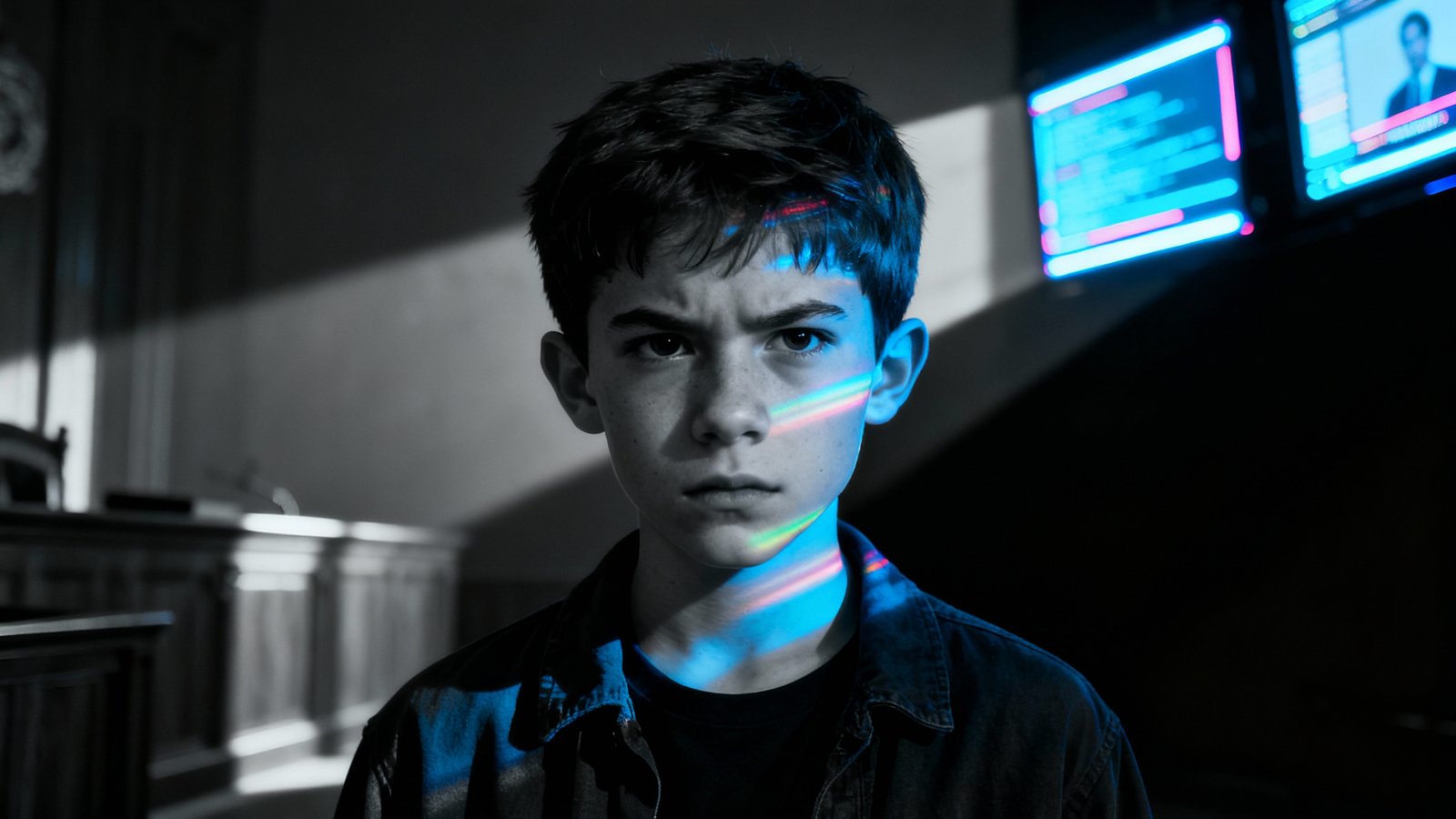
It’s a bizarre thought, isn’t it? A bunch of teenagers – we’re talking actual teenagers, some still probably figuring out what to do with their hair – in Australia, going head-to-head with their own government over social media. Not just complaining about it, but filing a case in the High Court. That’s, like, the biggest court in the land, not some local magistrate. It’s wild, honestly.
They’re basically telling the adults, “Hold on a minute, you can’t just swipe left on our digital lives.” The government wants to introduce a law, the “Social Media (Anti-Harm) Bill,” or at least that’s what it sounds like. And part of that bill? A big fat ban for anyone under 16 from hopping onto social media platforms. Think about it – no TikTok, no Instagram, probably no Snapchat, not even for lurking. For three whole years!
When Adults Try to “Fix” The Internet
Now, you might think, “Okay, kids need protecting, right? Social media’s a minefield.” And yeah, sure, there’s absolutely a conversation to be had about online safety, mental health, all that good stuff. Nobody’s arguing that it’s all rainbows and puppy filters out there. But a blanket ban? For everyone under 16? It feels a bit like trying to put the internet back in the box, which, let’s be real, is just never going to happen. It’s like telling kids in the 80s they couldn’t watch MTV. Technically possible, but practically, good luck with that.
The “Why Won’t You Just Listen?” Argument
The core of the teens’ argument seems to be, “Hey, this is our life, our way of communicating, our freedom of expression, and you’re just taking it away.” Which, to be fair, is a pretty strong point. Imagine being 15, all your friends are online, and suddenly you’re cut off. That’s a massive isolation chamber right there.
- Point: The proposed law targets social media companies, forcing them to verify ages more strictly, which in turn means blocking anyone under 16.
- Insight: It’s a classic case of trying to regulate the platforms by punishing the users, often the youngest ones, in what feels like a knee-jerk reaction.
This isn’t just about fun and games either. These platforms, for better or worse, are where conversations happen, communities form, and even-dare I say it?-activism takes root. Many young people learn about current events, connect with diverse perspectives, and even find support groups for things their parents might not understand, all thanks to social media. Cutting that off-poof-just like that, seems a bit draconian, doesn’t it? It’s like throwing out the baby with the bathwater, only the baby is a million digital connections and the bathwater is, well, some of the less savory parts of the internet.

The Ghost in the Machine-Are They Really Gone?
Here’s the kicker: even if they ban it, do we honestly believe kids won’t find a way around it? I mean, come on. We’ve seen this movie before. VPNs, fake IDs, burner accounts-the digital black market thrives on restrictions. It’s like building a wall to keep out birds; they’ll just fly over it, or find a tiny crack. Humans, especially young humans with a natural inclination to defy authority, are incredibly resourceful.
The Unintended Consequences Are Alarming
This isn’t just about rebellious teens. This is about what happens when you create a system that forces young people into the shadows online. If they’re using unverified accounts, or finding dodgy ways to bypass age gates, they’re actually making themselves more vulnerable, not less. They’ll be outside the protective measures, such as they are, that platforms do have in place. It’s a paradox, really. Trying to keep them safe could push them into less safe spaces.
“The risk of driving young people who currently derive genuine social connection, information, and community support from social media into unmonitored and less safe digital spaces is very real.”
That’s the kind of thing that makes you pause, isn’t it? You want to protect them, but you potentially end up exposing them to greater risks. It’s a tightrope walk, and this blanket ban seems like a pretty clumsy step off the edge. It’s not just about what they lose on the platforms, but what they might gain access to when they’re operating in the digital grey areas. We’re talking about things like encountering unmoderated content, or worse, predatory individuals who are always looking for easy targets.
What About Digital Literacy, Not Just Digital Lockout?
Maybe, just maybe, the answer isn’t a ban, but better education. Seriously. Instead of acting like the internet is some alien technology we can’t understand or control, shouldn’t we be teaching our kids how to navigate it safely? It’s like teaching them to swim in the ocean instead of just telling them they can never go near the water. The ocean isn’t going anywhere.
We’re in an age where digital skills are as fundamental as reading and writing. Taking away the platforms might prevent some harm, sure, but it also prevents them from developing the critical thinking, media literacy, and resilience needed to thrive in a connected world. That seems like a pretty big price to pay, doesn’t it? It feels like adults are having trouble adapting, so they’re forcing the youngest generation to adapt to their lack of adaptation, if that makes sense. It’s a digital generation gap argument, playing out in court.
This whole High Court challenge-it’s more than just a fight over TikTok. It’s a fundamental question about rights in a digital age, about where the line is between protection and authoritarianism, and whether adults really understand the world young people live in. And honestly, I’m kind of here for it. These teens are making a loud, clear argument for their place in the world, and it’s something we should all be paying attention to. What do you think? Is a ban the answer, or are these kids onto something bigger?