
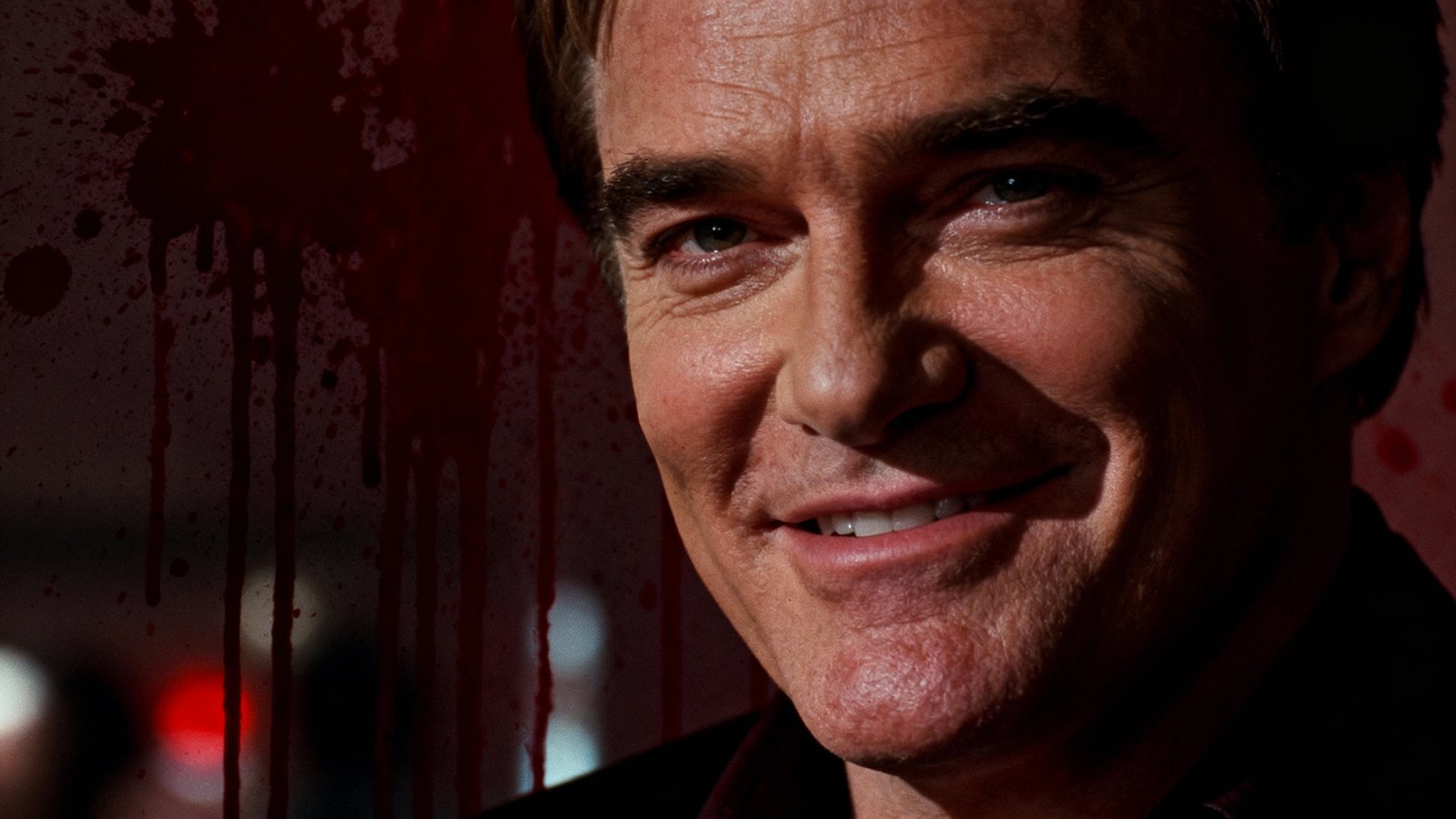
Tarantino on “The Passion”: “Turned On By the Beating”?
Okay, so Quentin Tarantino walks into a screening of Mel Gibson’s The Passion of the Christ. Sounds like the setup to a joke, right? But the punchline, or maybe the observation, is far more… Tarantino than you might expect. This isn’t just about a famous director watching a controversial film-it’s about his visceral, almost uncomfortably honest reaction to it. And really, who else but Tarantino could walk out of that particular movie with thoughts like, “laughing through the whole thing” and, what’s more, “getting kind of turned on by the beating”?
I mean, that’s a quote. A direct quote. It surfaced from an interview he did, apparently recalling his initial viewing experience. And let’s be real, it sent a ripple through the internet, a sort of collective “Wait, what did he just say?” moment. Because while we expect a certain level of boundary-pushing from Tarantino, this one feels particularly… raw. And it makes you wonder about the intersection of art, violence, and audience perception, doesn’t it?
Deconstructing the Tarantino Gaze
So, what does it mean when a filmmaker known for stylized violence finds himself “turned on” by a depiction of suffering, particularly one as graphic and religiously charged as in The Passion? It’s not just about gore-hounds enjoying the visual spectacle- or so we hope. There’s a deeper, more complicated layer to it when it’s QT. He’s always been fascinated by the mechanics of violence, the power dynamics, the choreography of it, if you will. Think about the ear scene in Reservoir Dogs-it’s not just about the shock, but the implied sadism, the psychological torment that plays out. And in Pulp Fiction, it’s the unexpected, almost cosmic retribution. It’s rarely just blood for blood’s sake with him.
The Art of the Uncomfortable Confession
But this Mel Gibson comment, it feels different. It’s less about the cinematic choices and more about a primal response. Did he mean “turned on” in a strictly sexual sense? Probably not, or at least, not exclusively. More likely, it refers to a kind of adrenaline rush, an engagement with the intensity and the extremity of what was on screen. A sort of dark artistic stimulation, you know? Like a surgeon who finds the intricate details of an operation fascinating, even if the context is pain. Or a writer who’s utterly absorbed in describing a horrific event with vivid detail. It’s that deep, almost clinical immersion, maybe even bordering on unhealthy obsession, that creative people sometimes have with challenging material.
- Point: Tarantino’s films often use violence to explore themes of revenge, power, and justice, rather than just for shock value.
- Insight: His reaction to The Passion might be seen as an extension of this artistic preoccupation, a fascination with the raw, unfiltered depiction of suffering and power dynamics.
“What’s fascinating is how personal and immediate his reaction sounds, almost bypassing the usual critical filters.”
Mel Gibson’s Vision vs. Tarantino’s Interpretation
Now, let’s pivot for a second to Mel Gibson. His intention with The Passion of the Christ was undeniably religious-a stark, unflinching portrayal of Jesus’s final hours, meant to evoke empathy, spiritual reflection, and undeniably, deep distress. It was an attempt, as he saw it, to make the suffering real, almost excruciatingly so, to bring the story out of stained glass and into flesh and blood. The film was designed to be painful to watch, to make you feel every lash. And it largely succeeded on that front, becoming a massive box office hit despite (or perhaps because of) its graphic nature.
When Intent Meets Unexpected Reaction
So, for Tarantino to come out and say he was “laughing” and “turned on by the beating” isn’t just about his personal predilections, it also speaks to how art, especially very intense art, can be interpreted in wildly divergent ways. Gibson probably didn’t anticipate someone being “turned on” by the horrific violence he painstakingly recreated. That’s the messy, beautiful, sometimes unsettling thing about creative expression: once it’s out there, it’s no longer entirely yours. It takes on a life of its own, filtered through the experiences, biases, and-in Tarantino’s case-the very unique artistic sensibilities of each viewer.

- Point: Gibson aimed for spiritual impact through extreme realism; Tarantino found a different kind of stimulation in that same realism.
- Insight: This contrast highlights the subjective nature of audience reception and how even the most earnest artistic intentions can produce surprising, even jarring, responses from different people, especially other artists.
The Maverick’s Double-Edged Sword
This whole episode, this particular quote, it really just reinforces Tarantino’s image as the ultimate maverick, doesn’t it? He’s not afraid to say the quiet part loud, to voice the kind of thoughts that most people would self-censor. It’s part of his appeal, his brand, his whole persona. He doesn’t conform. He doesn’t play by the rules-cinematic or conversational. And honestly, it’s why we, as in the general public and film aficionados, keep listening. We expect the unexpected from him. We lean in, kind of holding our breath, waiting for the next provocative statement or cinematic choice.
Beyond the Controversy – What Does It Reveal?
But there’s a flip side, of course. For some, a comment like this might confirm their discomfort with his approach to violence, his sometimes perceived nonchalance towards suffering. It might fuel accusations of cynicism or even a lack of empathy, which a lot of critics levy against him and his work. Because while it’s easy to intellectualize artistic fascination with pain, there’s also the very real human element to consider. Where do we draw the line between artistic appreciation and a potentially problematic detachment? It’s a messy question, and frankly, I don’t think there’s a clean answer. The very act of asking it, though, seems to be part of the Tarantino experience.
So, what are we to make of Tarantino finding himself “turned on by the beating” in The Passion of the Christ? It’s not a straightforward answer, is it? It’s unsettling, sure. It’s provocative. It makes you think, and probably squirm a little. But it also offers a tiny, weird window into the peculiar mind of one of our most singular filmmakers. It’s a reminder that art isn’t always neat and tidy, and neither are the reactions it elicits. Sometimes, the most honest reactions are the ones that make us raise an eyebrow, or maybe even crack an uncomfortable smile. And in the world of Quentin Tarantino, that’s just another Tuesday, I guess.