
Okay, so picture this- you’re a director, right? A pretty famous one. Let’s say, Quentin Tarantino famous. You make movies, cult classics really, and people adore your unique style. You’ve got this idea, this vision, floating around in your head for years, maybe even longer. Now, imagine watching a massively successful franchise – one that’s made billions – and realizing, “Hey, wait a minute, that looks awfully familiar. Familiar to something I’ve been obsessed with for like, forever.” That’s basically the vibe Quentin Tarantino is giving off when he talks about The Hunger Games.
He’s not just saying it’s similar, mind you. He’s talking about a full-on, “stole my thunder” kind of situation, referencing a Japanese film that predates Katniss Everdeen by a good decade. It’s a bold claim, and frankly, it really makes you think about where ideas actually come from in Hollywood. Is it pure inspiration, or is there a bit more… shall we say, borrowing involved?
The Obvious Influence- or Plagiarism?
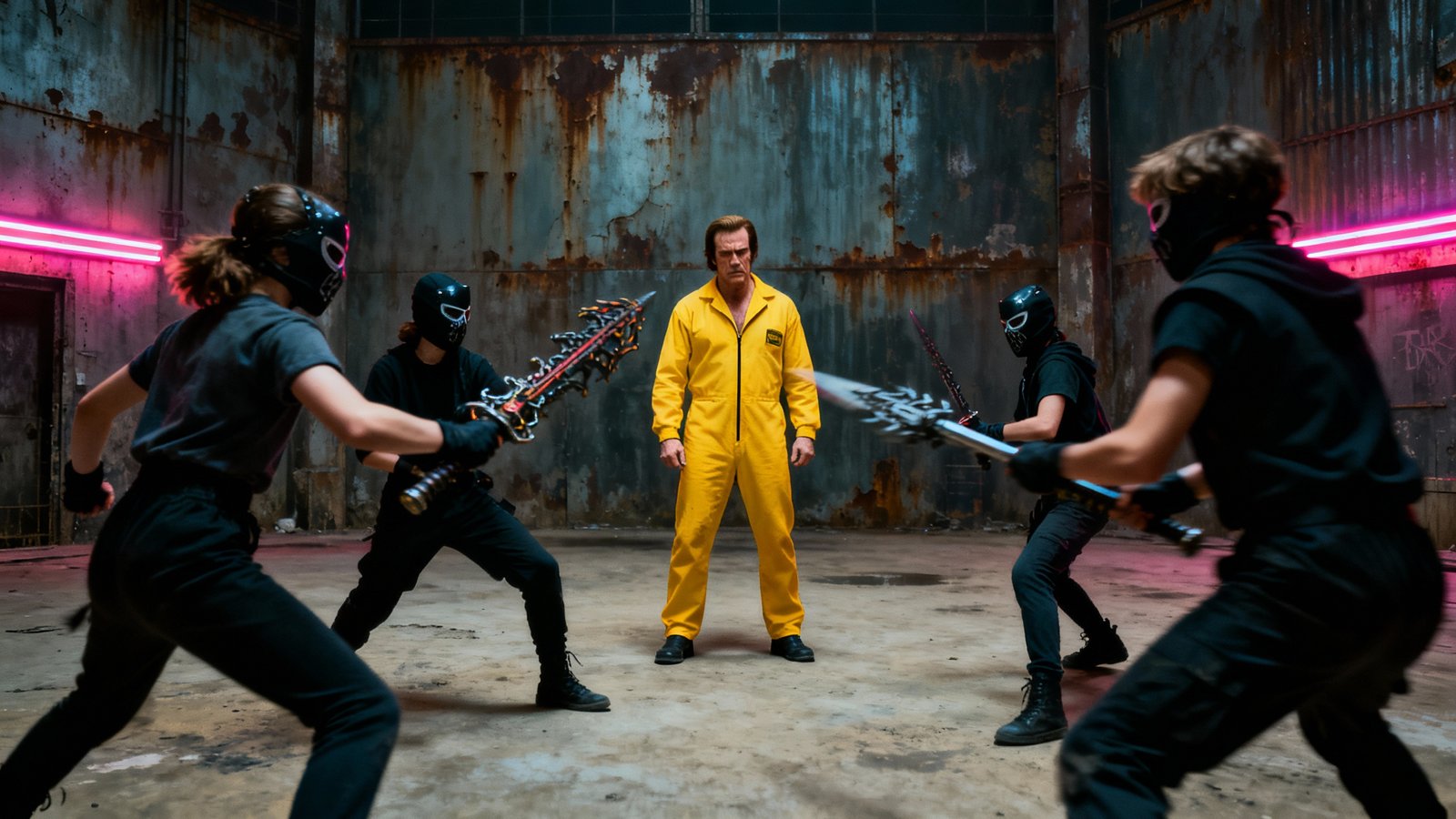
Let’s not beat around the bush here. The movie Tarantino’s talking about is Kinji Fukasaku’s 2000 masterpiece, Battle Royale. If you haven’t seen it, stop reading this right now and go watch it. Seriously. It’s wild, disturbing, and incredibly prescient. The premise? A group of unruly high school students is taken to a remote island, given a bag of supplies- some good, some terrible- and forced to fight to the death until only one survivor remains. Oh, and they’ve got those explosive collars. You disobey, you blow up. Sound familiar?
A Deep Dive into the Similarities
Now, when The Hunger Games first hit the scene in 2012, adapted from Suzanne Collins’ incredibly popular books, there were immediate whispers- more like shouts from certain corners of the internet- about its uncanny resemblance to Battle Royale. And it’s not just the surface-level stuff. We’re talking core concept. A government-sponsored death match, forcing young people to kill each other for public entertainment and to maintain societal order. It’s pretty specific, you know?
- The Core Premise: Both involve a last-man-standing death match orchestrated by an authoritarian regime. The goal is to quell rebellion and provide brutal entertainment.
- The Arena: A specially designed, isolated location where the “games” take place. For Battle Royale, it’s an island. For The Hunger Games, it’s a vast, technologically controlled wilderness.
- Youth Combatants: Teenagers are selected- or conscripted- to participate. Their youth adds an extra layer of tragic horror to the proceedings.
- Explosive Devices: In Battle Royale, head collars. In The Hunger Games, landmines or force fields, but the idea of inescapable, deadly boundaries is essentially the same.
- Sponsorships/Publicity: While not identical, both narratives feature an element of propaganda and public engagement (or forced viewing) surrounding these deadly games.
You can’t really ignore the parallels, can you? It’s not like saying “oh, two movies both have spaceships.” This is a very particular permutation of sci-fi dystopia. It genuinely feels like Hunger Games probably just took the basic framework and then, well, tweaked it a bit for a Western audience, added a love triangle and a strong female lead- which, to be fair, was a huge part of its appeal.
Tarantino’s Take- and Why He’s Right (Sort Of)
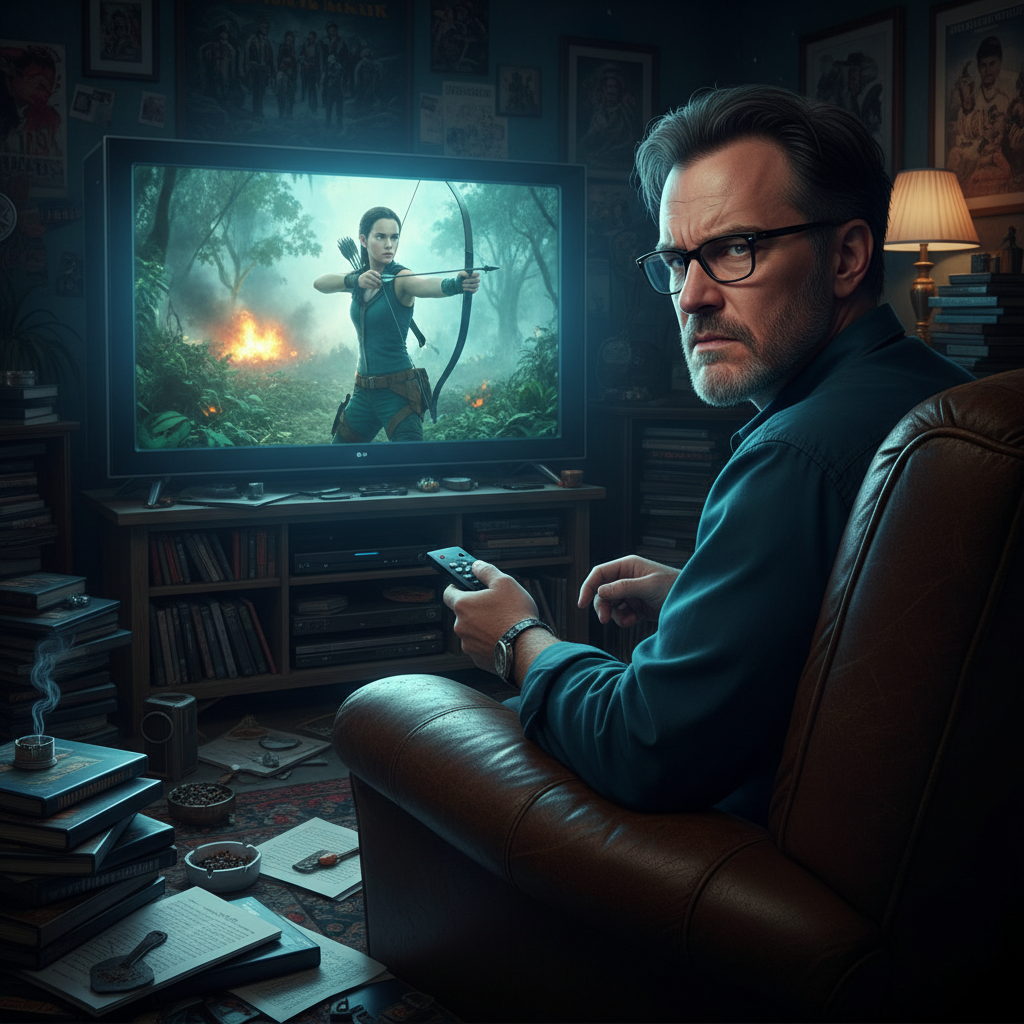
So, Tarantino, being Tarantino, isn’t shy about sharing his opinion. He’s on record, talking about how he was- to use his words- “anxious” to see how The Hunger Games would approach the “obviously stolen idea” from Battle Royale. He even went so far as to say in an interview, “The director, Gary Ross, obviously watched Battle Royale and loved that movie and said, ‘Hey, you know, we should do this with American actors.'” Now, that’s pretty direct, isn’t it? He’s not mincing words there.
The “Homage vs. Rip-off” Debate
Here’s where it gets interesting. Tarantino himself is famously a director who takes from, let’s call them, “deep cuts” of cinema history. He’s a master of homage, of weaving in influences so seamlessly that they become their own new thing. Think about the martial arts influences in Kill Bill, or the spaghetti western vibe in, well, most of his stuff. But there’s a fine line, isn’t there, between homage and straight-up borrowing?
“I didn’t think they ripped it off, I just thought, ‘How are they going to go about doing it after it’s so fresh in my memory?'”
That quote, from Tarantino himself, kind of sums up the sticky wicket. He’s not necessarily accusing them of malicious plagiarism, but rather expressing a sort of cinematic sibling rivalry. Like, “I saw it first! And now everyone thinks you invented it.” And honestly, that’s a fair point. For a whole generation, The Hunger Games was their first exposure to this idea. Does that erase Battle Royale‘s pioneering role? Probably not, for film buffs and purists like Quentin. But it definitely overshadows it in the popular consciousness.
Beyond the Arena – Who Gets Credit?
This whole conversation- it opens up a bigger can of worms, doesn’t it? Who owns an idea? Is it okay to take a concept, especially one that wasn’t super mainstream in the West, and re-package it for a new audience? Hollywood’s been doing it forever, from adapting foreign films shot-for-shot (sometimes successfully, sometimes tragically not) to “loosely” basing blockbusters on obscure foreign comics. It’s a messy business, creative ownership. Especially since Battle Royale was based on a novel too, by Koushun Takami. So it’s not even Fukasaku’s utterly original concept, but his film adaptation that really nailed it visually.
Ultimately, whether you call it inspiration, homage, or a rip-off, the lineage is undeniable. The Hunger Games might have made billions and launched Jennifer Lawrence into superstardom, but its spiritual predecessor, Battle Royale, was doing the deadly teen death match thing long before Katniss Everdeen ever picked up a bow. And for cinephiles like Tarantino- and frankly, like me- that original spark, that initial, brutal vision, always deserves its due credit. It just does.