
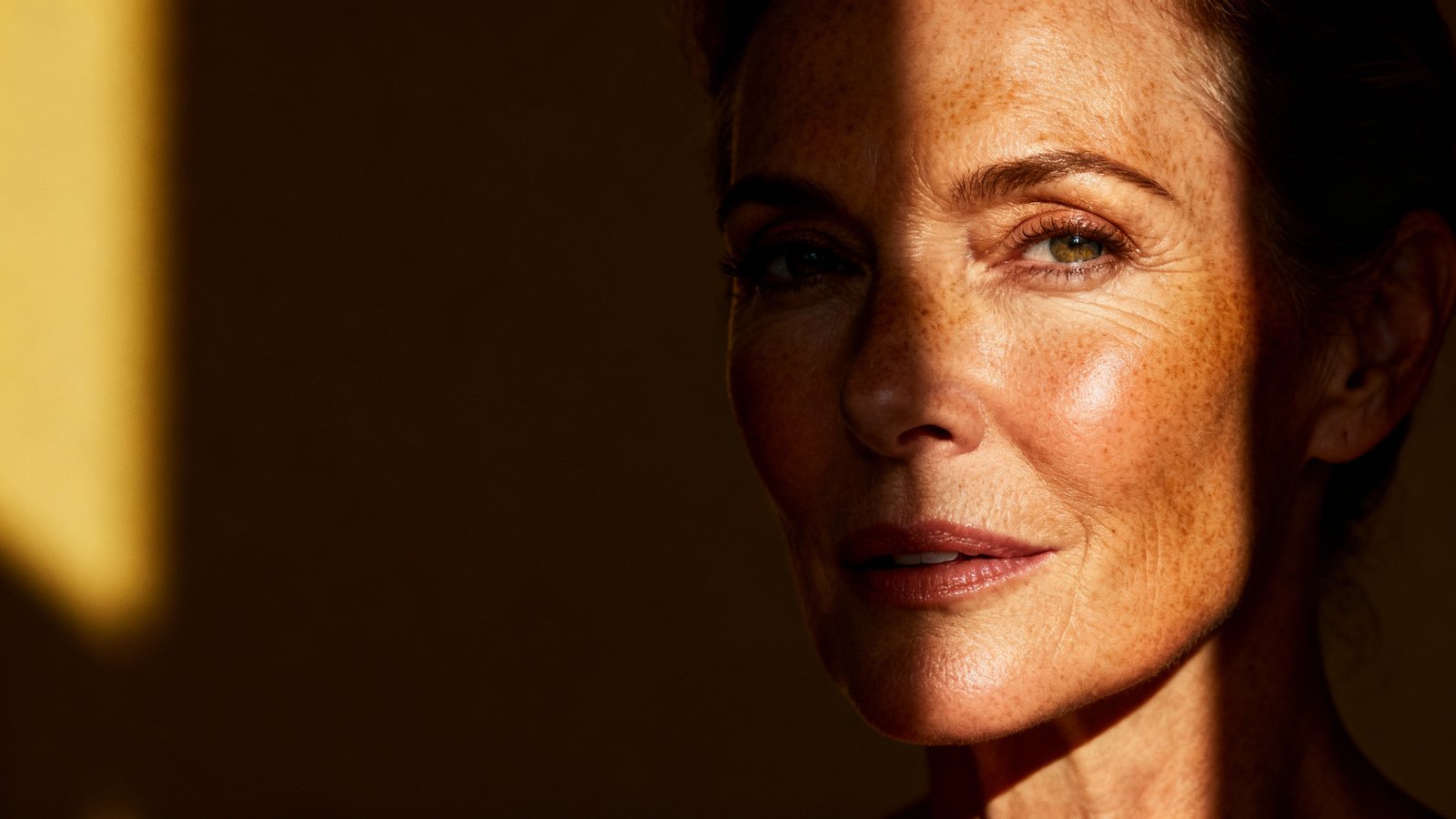
The Price of ‘Baking’ in the Sun
“Gordon and I used to bake,” Tana told The Times, and man, that phrase just sticks with you, doesn’t it? It conjures up images of olive oil and tin foil reflectors, probably. The kind of thing we all (okay, many of us) did back in the day, thinking we were just getting a “healthy glow.” Spoiler alert: there’s nothing healthy about it.
Now Tana’s got melasma. If you’re not familiar, the Cleveland Clinic calls it “brown or blue-gray patches or freckle-like spots.” Basically, hyperpigmentation. And Tana’s experience with it sounds absolutely brutal. “I’ll never forget going into a pharmacy and the woman behind the counter asking what the stains on my face were.” Can you even imagine? That’s not just a skin condition; that’s a public shaming, even if it wasn’t intended that way. It’s a stark, painful reminder of choices made years ago.
It’s a Family Affair, Unfortunately
And you know what’s really interesting-slash-tragic about this? This isn’t just Tana’s story. It’s a family thing. Gordon, her husband, he actually went through skin cancer surgery just a few months before she spilled the beans on her melasma. Like, boom, one after the other. It’s almost like the universe (or, you know, science) is screaming at us: pay attention to your skin! Teddi Mellencamp also had her own cancer battle, which just adds to this whole conversation. It’s not just a celeb thing, but when famous people talk about it, maybe, just maybe, more folks listen. You hope so, anyway.
When Will We Learn, People?
But here’s the thing that gets me, really gets me – why are we still having these conversations? We’ve known for decades, literally decades, that sun exposure is bad news. It causes premature aging, wrinkles, sunspots, and, oh yeah, cancer. And yet, every summer, every beach vacation, you still see people slathering on coconut oil instead of SPF, chasing that bronze goddess look. It drives me nuts.
“I’ll never forget going into a pharmacy and the woman behind the counter asking what the stains on my face were.”
I mean, Tana’s talking about melasma, which can fade after a few months for some people, sure. But it’s also notoriously stubborn for others. And regardless, it’s a visible, sometimes distressing, mark of sun damage. It’s your skin saying, “Hey, remember all those times you ignored my pleas for shade?” It’s a bill coming due.
The Elephant in the Tanning Bed
Look, I grew up in an era where being tan was, like, the ultimate accessory. You weren’t cool if you weren’t sun-kissed (read: sun-fried). We didn’t have TikTok reminding us about skin cancer checks or dermatologists posting scary images on Instagram. But we do now. The information is out there. It’s everywhere.
And it’s not just about vanity, even though that’s often the entry point for these discussions. It’s about health, plain and simple. When Gordon Ramsay, a dude who’s basically indestructible in the kitchen, has to get skin cancer surgery, that should be a huge red flag. A giant, flapping, neon-pink flag.
I think part of the problem is that the damage isn’t always immediate. You don’t get a sunburn on Monday and skin cancer on Tuesday. It’s cumulative. It’s insidious. It builds up over years, like a ticking time bomb. And by the time it shows up as melasma or, worse, something truly life-threatening, it’s too late to undo those “baking” sessions.
What This Actually Means
So, what does this actually mean for you, for me, for anyone who’s ever thought a “base tan” was a good idea? It means that stories like Tana Ramsay’s aren’t just celebrity gossip; they’re public service announcements. They’re reminders that the choices we make today, even seemingly harmless ones like soaking up some rays, have long-term consequences.
It’s a wake-up call, plain and simple. Your skin remembers everything. And sometimes, it sends you a bill you really don’t want to pay. So, next time you’re heading out, just grab the sunscreen. Wear a hat. Find some shade. Because a few minutes of feeling warm and glowy isn’t worth a lifetime of regret, or worse. Trust me on this one.