

South Park Battles War Ads: Content King or Crisis?
Okay, so you think you know satire? You think you’ve seen it all when it comes to pushing buttons and making people squirm? Well, let me tell you, when South Park decides to point its notoriously sharp gaze at something like, say, military recruitment ads, it’s not just a joke-it’s an operating table. With surgical precision, they’re dissecting something deeply uncomfortable about how we, as a society, perceive war and its glorification. And the latest target? Oh, it’s a doozy-they’ve taken aim at the so-called “Department of War,” and honestly, it’s brilliant, even a little terrifying.
The show, created by the inimitable Trey Parker and Matt Stone, has this almost psychic ability to tap into the zeitgeist. They don’t just react to current events; they often seem to predict the next big cultural nervous breakdown. This time around, they’ve stumbled into this weird, increasingly blurred line between entertainment, propaganda, and, bizarrely enough, “content creation.” It’s less about recruiting soldiers and more about crafting a narrative, almost like a brand, for something that’s anything but a product.
When War Becomes Just Another “Product” for the Masses
Remember when military recruitment was mostly about brave soldiers, patriotism, and maybe a cool uniform? Well, things have changed, haven’t they? South Park, in its glorious, irreverent way, is basically holding up a mirror to the marketing machine behind modern warfare. And it’s not a pretty reflection. We’re talking less “Uncle Sam Wants You” and more “Join the team, get great content!”
The “Content” Obsession and Pete Hegseth
Here’s where it gets really interesting, and honestly, a little concerning. The show specifically zeroes in on Pete Hegseth, a Fox News personality and veteran, casting him as this almost unhinged evangelist for what he calls the “Department of War” and its critical need for “content.” That’s his main obsession-not strategy, not troop welfare, but creating a constant stream of engaging, viral-ready bits. It’s a classic South Park move: exaggerate to illuminate. But the exaggeration hits uncomfortably close to home, doesn’t it?
- Point: The way our armed forces are marketed seems to be shifting from traditional appeals to increasingly slick, almost influencer-style campaigns.
- Insight: This adaptation to modern media habits could be seen as necessary, or it could be seen as deeply problematic-trivializing the gravity of service.

Think about it. We live in a world where everyone’s a content creator, from toddlers on TikTok to multi-billion dollar corporations. So, why wouldn’t the military jump on that bandwagon? It’s almost inevitable, I suppose. But the satire highlights the sheer absurdity of applying Instagram-ready filters to something as brutally real as combat or military service. It’s like, are we really going to have soldiers doing dance challenges to boost recruitment? Oh, wait, some already do, I guess. That’s the part that really chills me-how little distance there is between the parody and reality.
“When war becomes just another topic for likes and shares, what does that say about our collective appreciation for its true cost?”
The show posits that the “Department of War” is struggling to make its “content” pop, to really grab eyeballs in a saturated market. They’re failing to generate clicks, to go viral. It’s a brutal critique of how a focus on metrics and virality can distort even the most solemn institutions.

The Blurring Lines: Entertainment, Recruitment, and Reality
This isn’t just about making fun of Hegseth or military ads; it’s about a bigger societal trend. We consume everything through the lens of entertainment now, don’t we? News, education, even global conflicts. It all has to be packaged, digestible, and, ideally, shareable. And that’s where South Park hits its stride-showing us the logical, albeit ridiculous, conclusion of this trend.
Is Everything Content? The Existential Dread of the Algorithm
If the military is just another entity trying to win the attention economy, what does that mean for our understanding of national defense, sacrifice, and geopolitics? Do we start rating wars based on their entertainment value? Will we critique military campaigns for their poor scripting or lack of character development? It sounds absurd, I know, but the show makes you wonder if we’re already halfway there.
- Point: The military, like any other institution, has to adapt its messaging for a digital, content-driven world.
- Insight: The danger lies in losing the gravitas and seriousness associated with military service when it’s filtered through the same lens as a cat video.

It’s not just about recruitment, either. It’s about how we talk about, process, and engage with incredibly serious topics. If everything has to compete for our attention in the same way, reduced to a pithy caption or a catchy jingle, what gets lost? Probably quite a lot, if you ask me. Empathy, nuance, context-all those things that don’t fit neatly into a 15-second reel. South Park isn’t just satirizing the ads; it’s satirizing us, the audience, and our seemingly insatiable appetite for bite-sized, easily-digestible “content,” no matter how weighty the topic.
The Unexpected Fallout: Morality vs. Metrics
So, what’s the actual fallout when an institution like a “Department of War” becomes obsessed with being a “content king”? It probably means decisions get made not on strategic importance or ethical considerations, but on what will generate the most buzz. It’s a terrifying thought, honestly. Like, imagine a general asking, “Will this battle get enough likes?”
The Real Crisis: Losing the Plot
The crisis isn’t just that military ads are getting more like product commercials; it’s that the very purpose of an institution designed to protect a nation could get twisted by the need to stay “relevant” online. It’s a crisis of identity, really. When you chase algorithms, you start to lose sight of your original mission. And when your mission is war, or defense, that’s a seriously dangerous path.
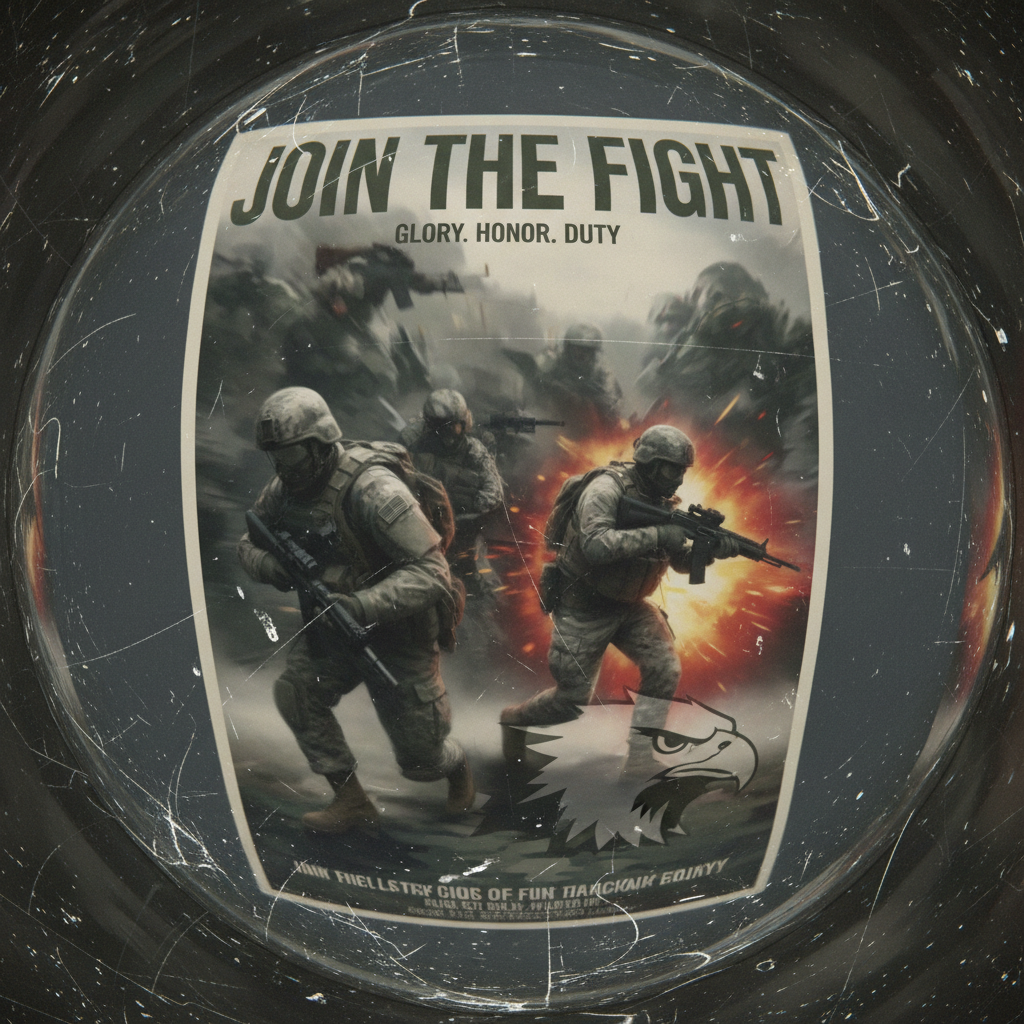
This episode, like so many from South Park, really makes you pause, doesn’t it? It’s not just a quick laugh; it kind of lodges itself in your brain. It forces you to look at things you probably take for granted-the ads you scroll past, the way information is presented, even the language we use. It nudges you into thinking about the consequences of living in such a hyper-mediated, content-driven existence. Are we sacrificing depth for dopamine hits?
Ultimately, South Park isn’t just mocking Pete Hegseth or military recruiters. It’s asking a much bigger, more uncomfortable question: In an era where everything is “content,” what happens to the things that shouldn’t be? What happens when the gravitas of life and death, of national service and sacrifice, gets reduced to merely another bid for your attention? It’s a sobering thought, and one that, I think, we should probably all keep chewing on, long after the laughter dies down.