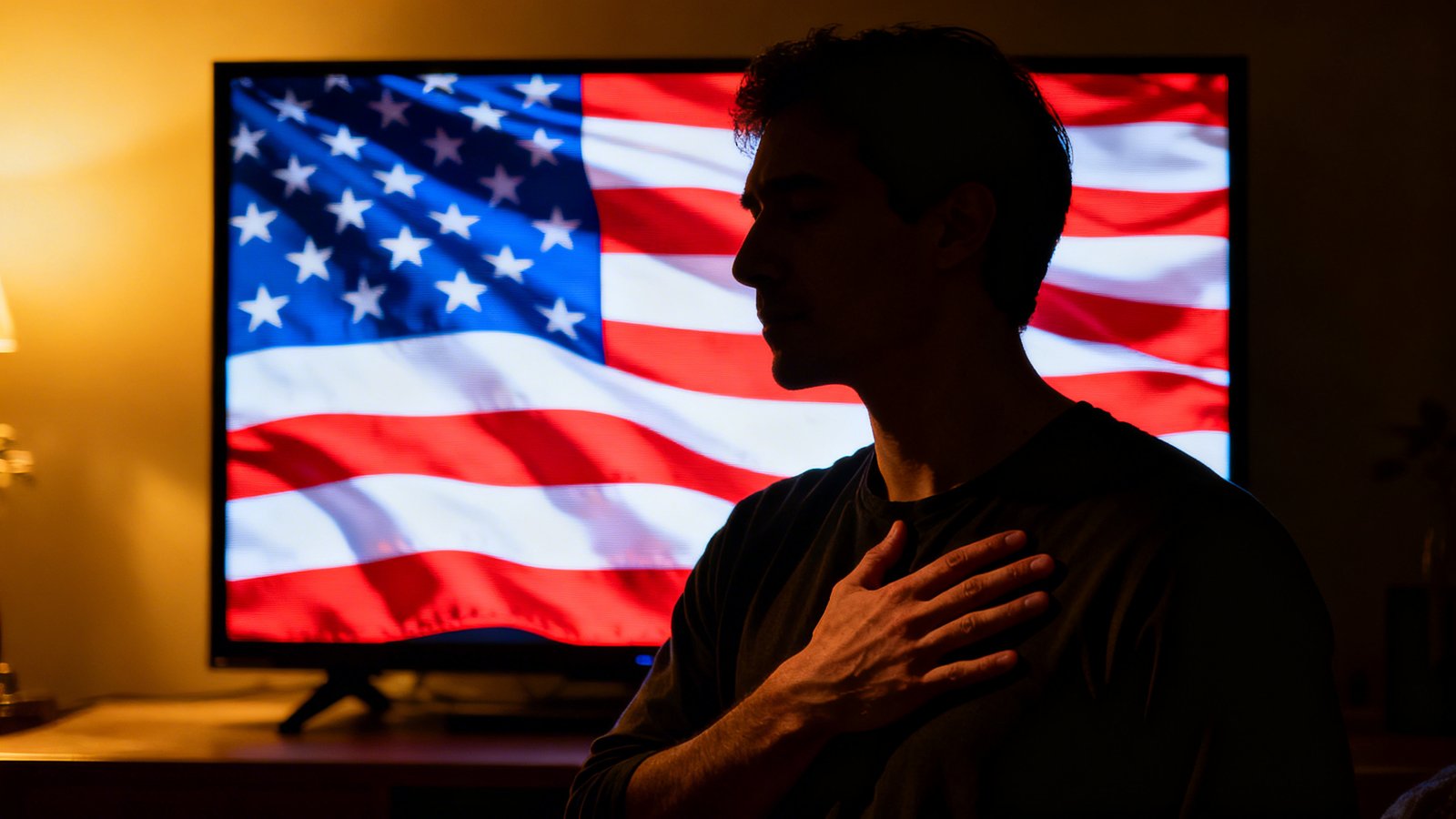
Wait, The FCC Wants WHAT?!
So here’s the deal, right? Brendan Carr, he’s the FCC chair, and he’s apparently launching this whole “campaign.” A campaign, mind you. Not just a casual suggestion, but a full-blown push. He’s “urging” broadcasters – and you just know what “urging” from a government agency often means, wink wink – to air the Pledge of Allegiance and the national anthem. Every. Single. Day. And why? Because America’s 250th Birthday is coming up. Gotta celebrate, right? With mandated patriotism. Because nothing says “freedom” like being told what to watch.
Look, I get it. Patriotism. America’s birthday. Sounds all good on the surface. Who doesn’t love a good celebration? But there’s a line, isn’t there? Between genuine celebration and, well, feeling a bit like you’re being herded into a specific kind of nationalistic fervor. Especially when it comes from a body like the FCC, whose job is supposed to be regulating the airwaves, not dictating content like some kind of state-run media outfit. I mean, c’mon.
The thing is, we’ve seen this kind of stuff before. Back in the day, a lot of stations would play the anthem at sign-off. Remember that? If you’re old enough, you probably do. Just a flag waving, maybe some scenic shots, and a soaring orchestral version of “The Star-Spangled Banner.” And then the test pattern. But that was usually late, late at night, when most folks were asleep or had already switched off the tube. It was a different era, a different kind of broadcasting. And it wasn’t a mandate. It was more of a tradition that just sort of… faded out as 24-hour programming became the norm.
But Who’s Actually Watching This? And Where?
Here’s where my brain starts to short-circuit. Let’s be real for a second. Who is actually going to be sitting there, watching broadcast TV, at whatever time this “pledge slot” is supposed to happen? Most people I know are streaming, they’re on YouTube, they’re binging Netflix. Traditional broadcast TV, for a huge chunk of the population, especially younger folks, is basically background noise or something their grandparents watch. So, you’re going to “urge” stations to interrupt programming – or start their day – with this… for whom? The handful of folks still tuned into network affiliates? It feels a little bit like trying to fix a problem that isn’t really a problem, using a solution that doesn’t quite fit the modern world. It’s almost quaint, if it weren’t so… heavy-handed.
Is This About Patriotism or Pushing a Vibe?
And this is where I get really cynical, okay? Because if this were genuinely about fostering a sense of community or celebrating America, wouldn’t there be, I don’t know, other ways? Ways that don’t involve the government “urging” specific content? Like, maybe encouraging local stories about American ingenuity, or documentaries on historical figures, or showcasing diverse American cultures? Stuff that actually makes you think about what America is, in all its messy, complicated glory.
“The idea of a government agency ‘urging’ specific patriotic content feels less like a celebration of freedom and more like a subtle nudge towards conformity. It makes you wonder about the spirit behind the request, doesn’t it?”
But no, it’s the Pledge and the Anthem. Which, again, are important symbols. Nobody’s arguing that. But when it becomes a requirement, or a heavily “urged” suggestion from a federal agency, it starts to feel less like an organic expression of national pride and more like… homework. Or worse, a loyalty test. And who wants their patriotism to feel like a chore? Or something that’s being forced down their throats? That’s not how you build genuine connection, folks. That’s how you build resentment, or at best, apathy.
What This Actually Means
The thing is, this isn’t just about a few minutes of airtime. It’s about precedent. It’s about the FCC stepping into content creation in a way that feels pretty darn uncomfortable. Where do you draw the line? Today it’s the Pledge. Tomorrow, what else does the FCC decide is “pro-America programming” that broadcasters simply must air? You can see how this slippery slope gets real steep, real fast. And for an agency that’s supposed to be about fair access and regulating technical standards, dictating what should be said on the airwaves, even under the guise of patriotism, is a pretty big swing.
It’s also a bit of a distraction, if you ask me. There are actual, tangible issues facing this country. Broadband access, digital divides, protecting consumers, media consolidation – you know, the stuff the FCC is actually supposed to be laser-focused on. Instead, we’re talking about daily pledges on TV. It makes you wonder if this isn’t just a political play, a way to signal a certain kind of cultural stance, rather than a genuine effort to, well, make America better or celebrate it meaningfully.
So yeah, I’m not buying it. Not as a genuine expression of national spirit, and certainly not as a responsible use of a federal agency’s power. It just feels a bit… off. Like a performance, rather than a heartfelt gesture. And if there’s one thing I’ve learned in 15 years of watching this stuff, it’s that when the government starts telling you how to feel patriotic, you should probably start asking why. And who really benefits from it.