Seriously, They Know
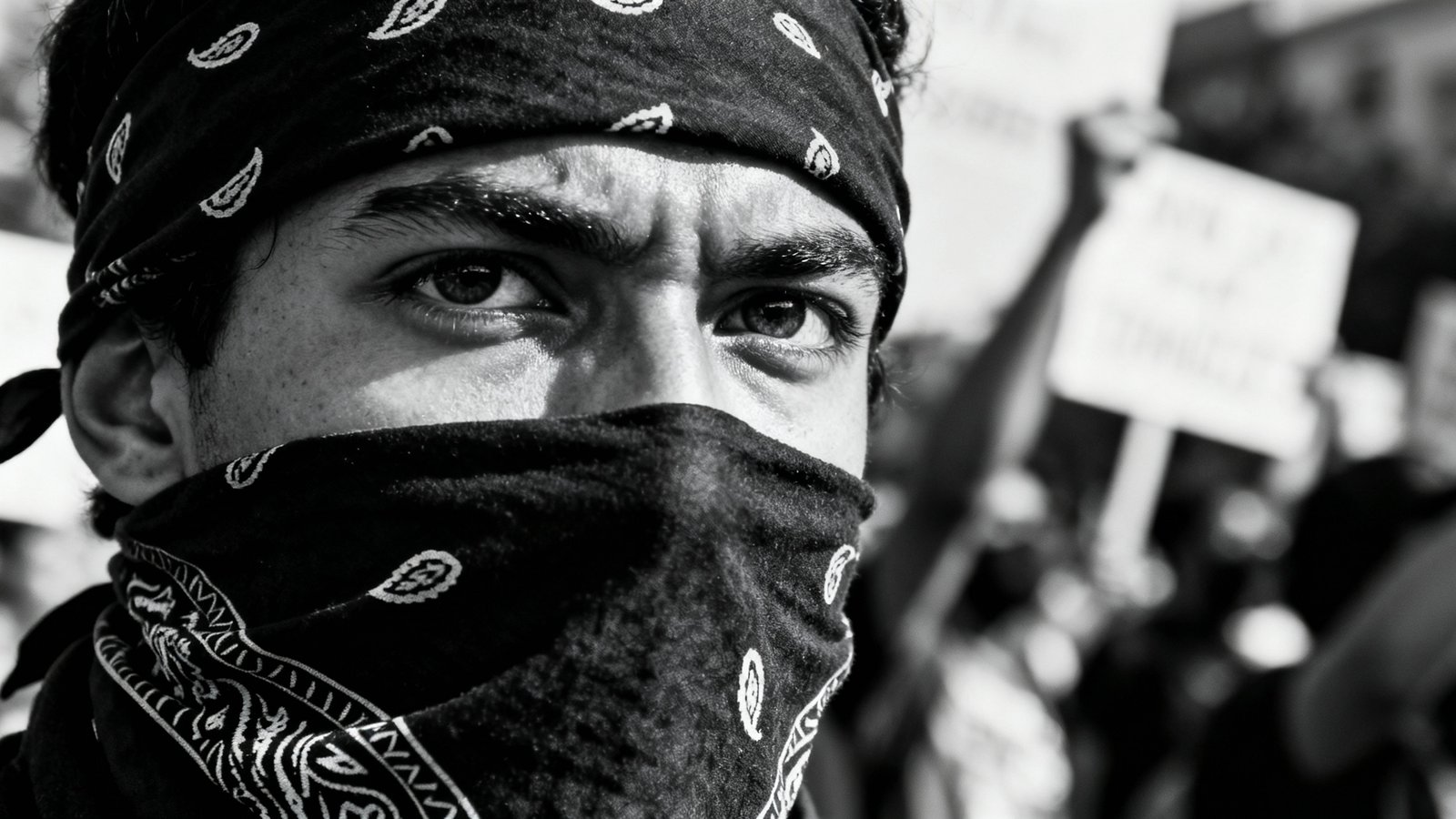
So, you think you’re just another face in the crowd, right? Wearing your mask (or not), holding your sign, feeling all anonymous and powerful. Well, here’s the kicker: Immigration and Customs Enforcement – ICE, for short – they’ve been using facial recognition and social media monitoring to not only pinpoint undocumented immigrants (which, fine, that’s kinda their stated mission, even if we can argue about that all day) but also, get this, to track regular old protesters. Like, people protesting anything. The folks in Minneapolis, for example, they were on the radar. It’s not just some fringe conspiracy theory anymore; former and current officials have flat-out said it. And that, my friends, is a whole different ballgame.
I mean, we’ve all seen the news, right? Companies like Clearview AI scraping billions of images from the internet, making these massive databases. But when you hear that government agencies are actively plugging into that, and then using it to identify people at a rally… it just feels different. It feels a lot more personal. And frankly, a lot more chilling. They’re not just looking for “bad guys.” They’re looking for you. If you show up.
It’s Not Just for the “Bad Guys” Anymore
Think about it. This isn’t some super-secret operation hidden in the shadows anymore. They’re using off-the-shelf tech, basically. The same stuff that unlocks your phone (or, you know, tries to). But instead of unlocking your phone, it’s unlocking your identity from a blurry photo taken by a street camera, or maybe someone’s phone, or a news crew. And then they cross-reference that with your social media profile. Your cute cat photos, your rants about traffic, your political posts. Suddenly, your protest presence is linked to your entire digital life. And ICE, which is supposed to be about immigration enforcement, is suddenly keeping tabs on people exercising their First Amendment rights. It’s wild.
So, Your “Right to Protest” Is What Now?
This really makes you wonder about that whole “freedom of assembly” thing, doesn’t it? Because if every time you step out to voice an opinion, big brother’s digital eye is scanning your face and cross-referencing it with everything you’ve ever posted online, how free does that feel? It’s not just about getting arrested on the spot anymore. It’s about a permanent digital record, a file, a tag.
“The thing is, once you have the technology, it’s almost impossible to stop its expansion. The mission always creeps.”
And that’s the real gut-punch here. The “mission creep.” It starts with “national security” or “stopping illegal immigration,” and then, before you know it, it’s about tracking anyone who steps out of line, anyone who makes a fuss. Because, who cares if you’re a citizen? Who cares if you’re legally allowed to be there? If your face pops up in a database of “protesters,” that’s a data point. And that data point can be shared. Or used later. Or just… filed away. It’s a digital chill that can spread through a whole community.
The Elephant in the Digital Room
Look, I’m not gonna pretend I’m surprised by surveillance. We all know governments watch us. But this particular blend of facial recognition, social media mining, and then applying it to protest activity by an agency whose primary role is supposedly border and immigration enforcement? That’s a new level of “whoa.” It’s like they’re building a national protest registry, but without actually telling anyone they’re building a national protest registry. It’s all just happening, under the radar, powered by algorithms and public images.
And it’s not like these systems are foolproof, either. We’ve heard all the stories about misidentification, especially with people of color. So not only are you being watched, but there’s a decent chance the tech might even get it wrong, and then what? How do you clear your name from a database you didn’t even know you were in, for an event you were legally attending? It’s a mess. A big, digital, privacy-destroying mess.
What This Actually Means
Here’s the deal: this isn’t going away. This tech? It’s only getting better, faster, more pervasive. And the appetite for using it? It’s only growing. What it means for you, for me, for anyone who believes in standing up and speaking out, is that the stakes just got higher. That anonymous feeling you once had in a crowd? Poof. Gone.
So, next time you’re thinking of joining a rally, a march, a demonstration… just know that your face might not be yours alone anymore. It might be a data point. And that’s something we all need to think long and hard about, because if protesting becomes a black mark on your digital file, what does that do to the very idea of a free society? It’s not a neat bow, it’s just… a question mark. A big, unsettling, pixelated question mark hanging over all of us.