
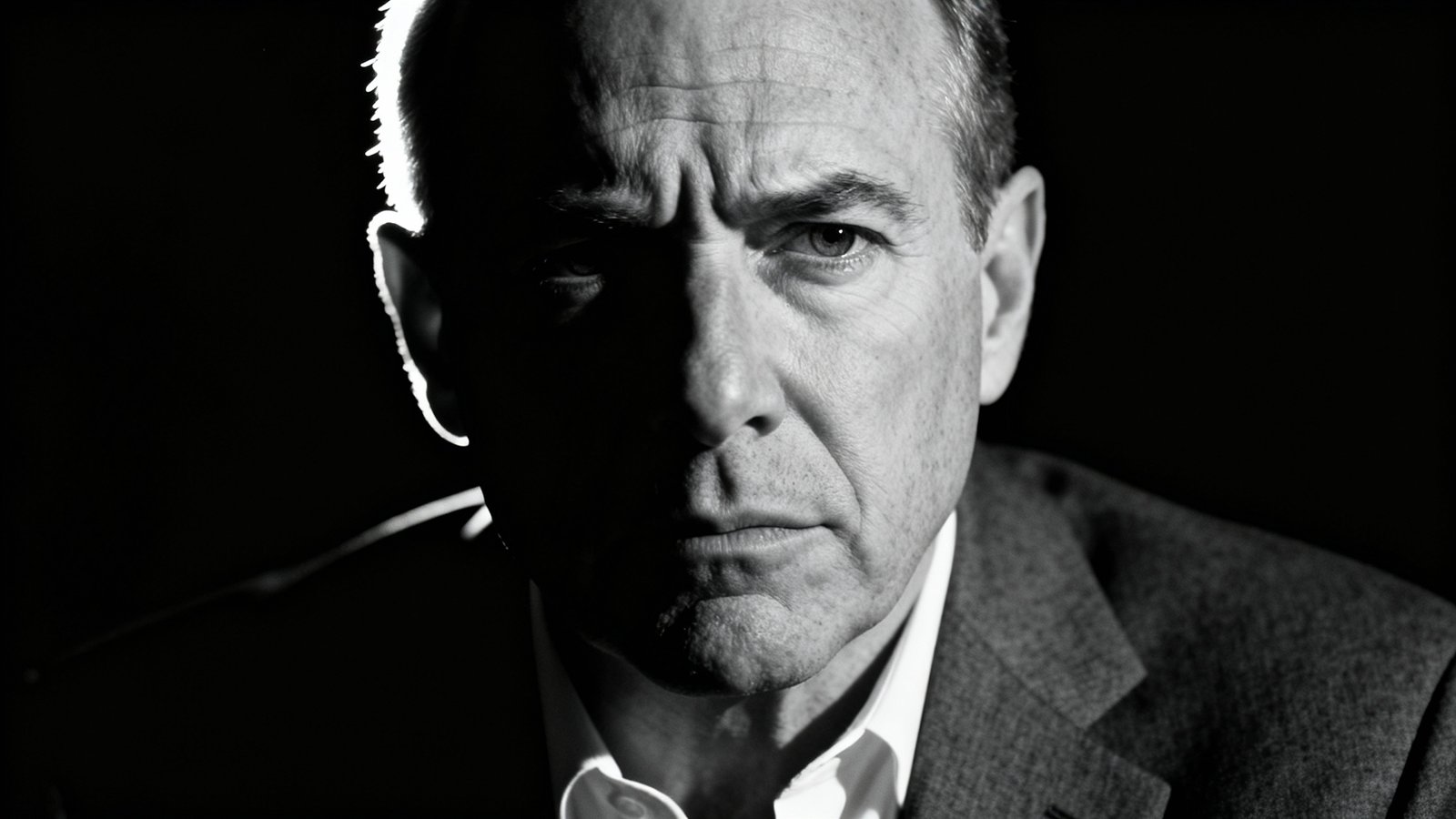
Okay, so Scott Adams. You know, the Dilbert guy. He’s out there saying, and I’m quoting here, “The odds of me recovering are essentially zero.” Not “slim,” not “low,” but “zero.” And then, just to hammer it home, he adds, “I’ll give you any updates if that changes, but it won’t.” Talk about a gut punch. A real, blunt force trauma to anyone who’s ever faced down a scary diagnosis or, let’s be real, just had a bad day.
When “Zero” Is the Number
I mean, think about that for a second. Scott Adams, 68 years old, creator of one of the most recognizable comic strips in the world – a guy who’s been famously outspoken, sometimes controversially so, on just about everything under the sun – just laid out his own mortality in the bluntest terms possible. No sugarcoating. No “fighting the good fight” rhetoric. Just… zero. And I gotta say, even for a guy who’s seen a lot of public figures handle personal crises, that kind of stark, almost clinical honesty is, well, jarring.
It’s prostate cancer, from what I’ve gathered. And when someone says “zero recovery” at 68, you know it’s not just a bad diagnosis; it’s a terminal one. This isn’t about hope and miracles, it’s about facing the end. And yeah, Adams has had his moments, his takes that made you want to pull your hair out, his forays into political commentary that left a lot of people scratching their heads or outright offended. But the thing is, when it comes to this kind of news, all that other stuff, it just… fades, doesn’t it? It just kinda evaporates into the ether.
Because at the end of the day, before he’s a cartoonist or a provocateur or whatever label you wanna slap on him, he’s a person. A human being. And that human being just got a piece of news that, quite frankly, no one ever wants to hear. And he’s putting it out there. Not in a plea for sympathy, it doesn’t really feel like that, more like a statement of fact. A grim, unshakeable fact.
The Weight of Public Honesty
You see a lot of public figures, when they get sick, they talk about their “journey” or their “battle.” And listen, good for them. That’s their way of coping, of finding strength, of maybe even inspiring others. And that’s totally valid. But Adams? He’s not doing that. He’s just saying, “This is it.” It’s a different kind of honesty. A kind of, “Here’s the deal, folks, and it’s not good.” And that takes a certain kind of guts, too, doesn’t it? To just look that kind of overwhelming, devastating reality right in the eye and say it out loud. To millions of people, no less.
What Do You Even Say to “Zero”?
And that’s the question, isn’t it? What do you even say? Because there’s no polite platitude for “zero recovery.” There’s no “thoughts and prayers” that really fit that kind of finality. It strips away all the usual social niceties. It makes you confront the raw, uncomfortable truth of what it means to be alive, and what it means for that to inevitably come to an end.
“The odds of me recovering are essentially zero. I’ll give you any updates if that changes, but it won’t.” – Scott Adams
It’s interesting, because Adams has always been a guy who pushes buttons. He’s been a lightning rod. And you’d think, maybe, there’d be some kind of softening, some sort of pivot to a more universally palatable persona in the face of something so profoundly human. But he’s still Scott Adams. Still blunt. Still direct. Still, in his own way, unfiltered. It’s like even in this, perhaps the most vulnerable moment of his life, he’s staying true to his brand of no-nonsense communication. Which, if I’m being honest, is kinda consistent, even if it’s unsettling.
The Echo of Mortality
This isn’t just about Scott Adams. It’s about the echo of mortality that this kind of statement sends out. Because how many of us have had that conversation with a doctor? Or know someone who has? Where the news isn’t good. Where the options are limited. Or, in this case, non-existent. It’s a reminder that no matter your fame, your fortune, your influence, or your controversies, some things are just universal. Some things hit everyone, eventually. Cancer doesn’t care about your political leanings or whether you think Dilbert is still funny. It just… is.
And it forces you, I think, to kind of take stock. To look at your own life. To think about what you’d say, or how you’d act, if you got that kind of news. Would you be as frank? Would you retreat? Would you suddenly find religion, or rage against the dying of the light? It’s a heavy thought, and Adams just threw it out there for everyone to grapple with. It’s a very public, very stark confrontation with something profoundly private.
What This Actually Means
So, what does it all mean? For Scott Adams, it means he’s facing the end of his life, and he’s chosen to tell us about it with a brutal, almost chilling, honesty. For us, the people reading about it, it’s a moment. A moment to maybe pause. To remember that beneath all the noise and the arguments and the outrage cycles, there are just people. And those people get sick. And sometimes, the news is just plain awful.
There’s no grand lesson here, really. No neat little bow to tie on this one. It’s just… a fact. A grim truth, as the title says. And for all his polarizing opinions, Scott Adams just gave us all a very human, very raw reminder of what really matters, and how fragile it all actually is. And that, I suppose, is something to think about, isn’t it? Something that kinda sticks with you…