
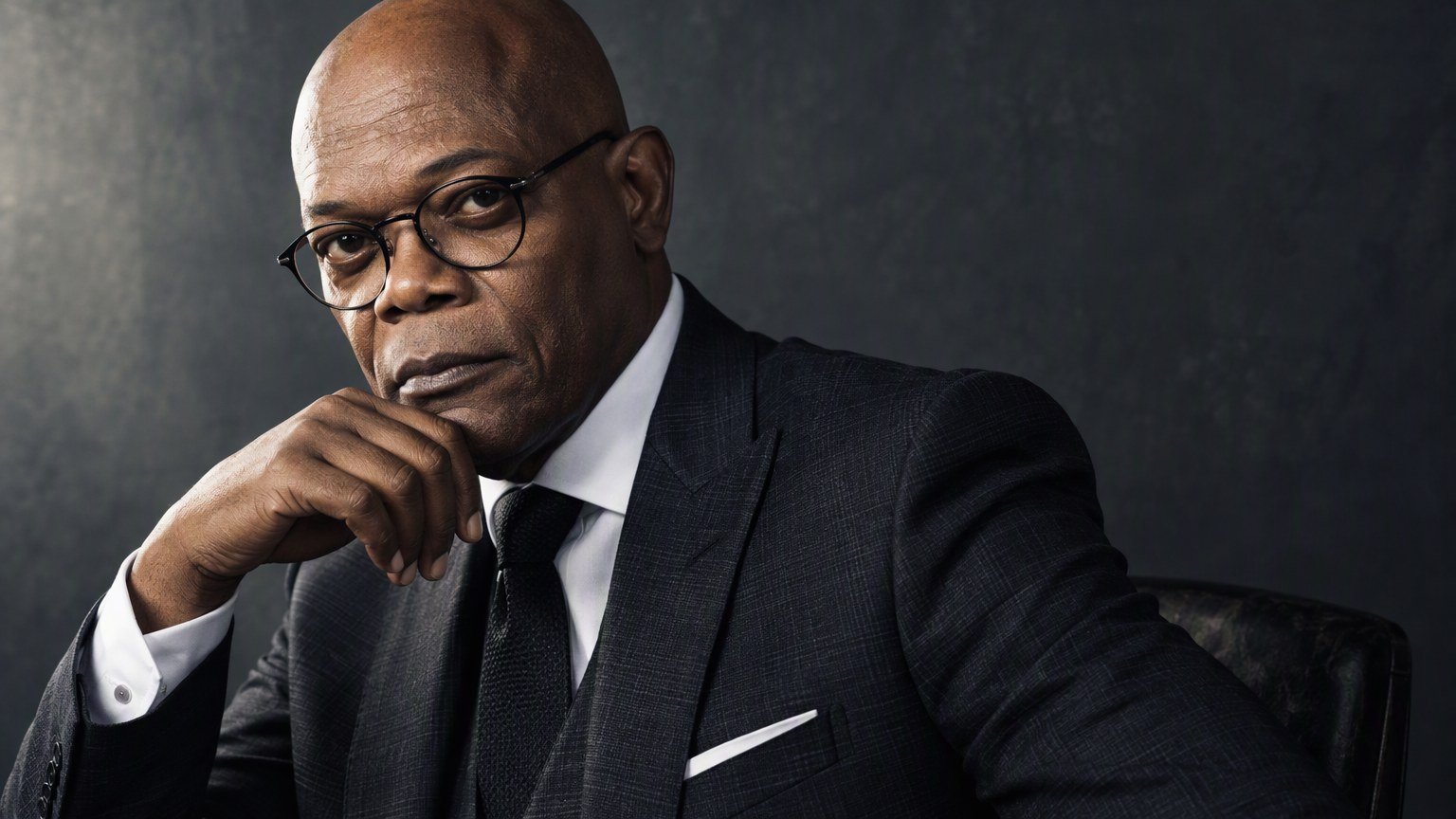
Samuel L. Jackson just said what a lot of people have been thinking for years, and honestly, it’s about time someone with his platform did. The wealth gap in America has gotten so absurd that we’re at the point where regular people can’t afford groceries without sweating their bank account. And…
Samuel L. Jackson just said what a lot of people have been thinking for years, and honestly, it’s about time someone with his platform did. The wealth gap in America has gotten so absurd that we’re at the point where regular people can’t afford groceries without sweating their bank account. And Jackson’s take? Spread the wealth around so the middle class can, you know, actually exist again.
When Buying Dog Food Becomes a Luxury Decision
The comment came through an Instagram post from More Perfect Union on October 8th, pulling from a Variety interview. Jackson’s point was pretty straightforward – if wealth were distributed more fairly in this country, Americans could afford the basics again. Groceries. Rent. Maybe even feeding their dog without having to choose between that and their own dinner.
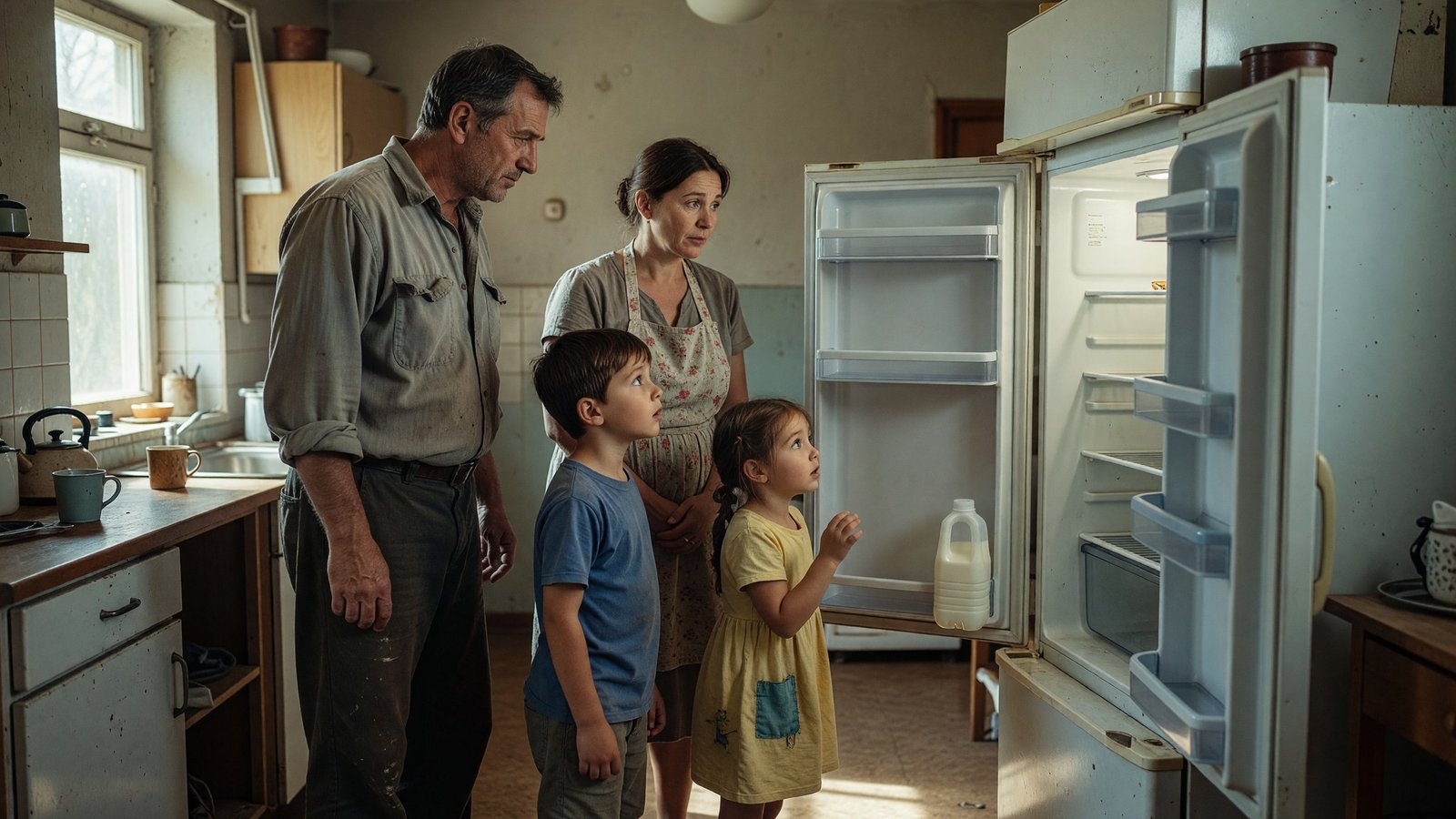
Look, I’ve been covering economic stories for years, and this one hits different because it’s so painfully obvious to anyone who’s been to a grocery store lately. We’re not talking about caviar and champagne here. We’re talking about eggs and bread. The fact that this is even a conversation we need to have says everything about where we are right now.
The Instagram post kept it simple – people should be able to feed themselves and their pets without financial stress. Which, yeah. That should not be a controversial statement, but here we are.
But Is a Middle Class Even Enough?
Here’s where it gets interesting. The comments section (which, not gonna lie, sometimes has better analysis than the actual articles) brought up something crucial. One commenter pointed out that if you’re okay with having a middle class, you’re also accepting that there’s going to be a bottom. Someone’s still getting screwed.
They followed up with something that really stuck with me: “Equity and justice cannot exist while resource access is inequal.” And that shifts the whole conversation, doesn’t it? We’re not just talking about making sure middle-class folks can afford their weekly grocery run. We’re talking about a system where access to basic resources – food, housing, healthcare – is fundamentally broken for a huge chunk of the population.
The Part Nobody Wants to Say Out Loud
Jackson’s calling for wealth redistribution, which in America is somehow still treated like a radical concept even though every other developed country figured this out decades ago. The thing is, we used to have a functioning middle class. People could buy houses on single incomes. College didn’t cost more than a small nation’s GDP. A minimum wage job could actually, you know, sustain minimum living standards.
What happened? Well, wages stagnated while productivity soared and all that extra money went straight to the top. CEOs now make 300-plus times what their average workers make. The wealth of billionaires has exploded while regular people are doing math in the grocery store aisle to figure out if they can afford both chicken and vegetables this week. Netflix’s Brutal 1,000-Employee Purge is a reminder that corporate decisions can have major consequences for workers at every income level.
“Equity and justice cannot exist while resource access is inequal.”
The Grocery Store Reality Check
I mean, let’s be real for a second. We’re in 2026 and people are legitimately struggling to buy food in the wealthiest country in human history. That’s not a policy disagreement or a difference in economic philosophy – that’s a failure. A big, obvious, staring-us-in-the-face failure.
And Jackson’s not wrong to frame this around the middle class, even if that framing doesn’t go far enough for some people. The American middle class was supposed to be the backbone of the economy, the proof that capitalism could work for regular people. But that class has been hollowed out over decades of policies that prioritized wealth accumulation at the top over everything else.
The comment about accepting a “bottom” if you want a middle really nails the deeper problem though. We’ve normalized the idea that some people just won’t have enough. That’s built into how we think about the economy now. Someone’s gotta lose so someone else can win big. But why? Why is that the system we’ve decided to accept?
What This Actually Means
Jackson’s intervention here matters because he’s saying the quiet part out loud to millions of people. The wealth hoarding at the top is directly connected to people at the bottom (and middle) not being able to afford basic necessities. It’s not complicated economics – it’s math. There’s only so much wealth to go around, and when a tiny percentage of people control most of it, everyone else gets squeezed. That kind of contradiction is why stories like Meta’s Hateful Payroll matter when discussing who benefits from concentrated wealth.
Will this change anything? Probably not immediately. We’ve been having versions of this conversation for years and the wealth gap keeps growing. But the fact that more people with platforms are willing to say it plainly – tax the rich, spread the wealth, rebuild the middle class – at least moves the conversation forward.
Because right now, we’re at a point where feeding your dog shouldn’t be a financial calculation. And if that’s where we are, something’s gotta give.