
Kalshi just got smacked down by a federal appeals court, and if you’ve been following the prediction market wars over the past year or so, this one’s going to sting. Bad. The ruling says states can, in fact, regulate these event contract platforms, which is basically the opposite of what Kalshi’s entire legal strategy has been banking on. And I mean banking – this company has raised hundreds of millions of dollars on the premise that federal law protects it from a patchwork of fifty different state gambling regulators breathing down its neck.
Turns out that premise might be shakier than anyone at Kalshi wants to admit.
Wait, What Even Is Kalshi?
Quick refresher for anyone who’s only half paying attention (no judgment, this stuff is genuinely confusing). Kalshi is a platform where you can trade contracts on real-world outcomes – will the Fed cut rates, who wins the election, will it snow in Chicago on a given day, that kind of thing. The company’s whole pitch is that this isn’t gambling, it’s a regulated derivatives market, overseen by the CFTC, the same federal body that watches over commodities and futures trading. Not a casino. A market.
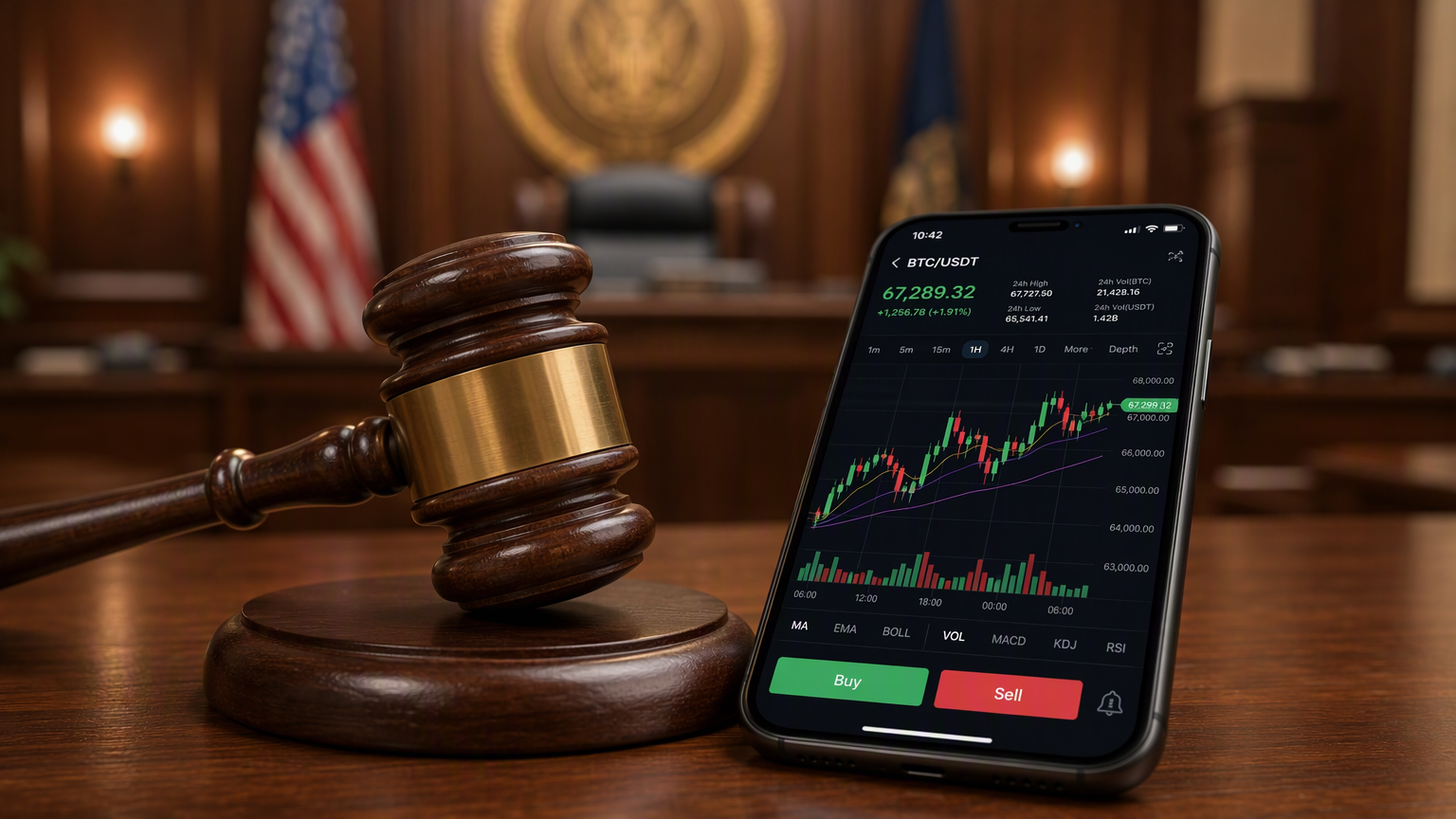
States have been saying, basically, come on. If it looks like a duck and quacks like a duck and lets you bet on whether the Chiefs cover the spread… it’s probably a duck. Several state gaming commissions – Nevada and New Jersey have been especially vocal – argued that a lot of what Kalshi offers, particularly sports-related contracts, is functionally sports betting dressed up in fancier vocabulary to dodge state licensing fees and taxes. And here’s the thing – those states have entire regulatory apparatuses built around gambling, with licensing requirements, consumer protections, tax structures, the works. Kalshi skipping all of that by calling itself a “market” instead of a “sportsbook” was always going to get challenged in court eventually.
The Federal Preemption Argument
Kalshi’s core legal argument has been federal preemption – the idea that because the Commodity Exchange Act gives the CFTC exclusive jurisdiction over these kinds of contracts, states literally can’t touch it, no matter how much it might resemble a parlay bet. This argument actually worked in some lower courts. Kalshi won injunctions in a handful of jurisdictions earlier in this fight, which is part of why the company kept expanding so aggressively. They were operating from a position of “the law is on our side, deal with it.”
So What Changed?
This latest appeals court ruling flips that script. Instead of treating federal oversight as some kind of forcefield against state law, the court sided with the states, saying they do have authority to regulate these markets – at least in the context this case addressed. That’s a meaningfully different legal landscape than the one Kalshi’s been operating in.

I’ve watched enough regulatory fights in tech to know the pattern here, and it’s a familiar one. Move fast, claim a legal gray area is actually settled law, expand into as many markets as possible before anyone can stop you, and hope the courts eventually catch up to your business model instead of the other way around. Sometimes it works out great (see: a lot of the fintech world). Sometimes it blows up spectacularly. This ruling suggests Kalshi might be heading toward the second outcome, at least in some states.
“You can’t just rebrand a bet as a derivative and expect that to make the consumer protection concerns disappear,” is roughly the argument state regulators have been making all along – and now they’ve got a federal appeals court agreeing with them.
Why This Actually Matters (Beyond Kalshi)
Look, if you don’t care about prediction markets specifically, I get it. This might feel like inside baseball. But stick with me for a second because the implications here are bigger than one company’s stock price or user growth numbers.
Prediction markets have exploded in the past couple years. Not just Kalshi – Polymarket, PredictIt, a growing list of copycats and competitors, all racing to capture this weird hybrid space between finance and gambling and, honestly, entertainment. During the last election cycle these platforms got insane amounts of media attention because their odds were treated as more “real time” and market-driven than traditional polling. People started citing Kalshi prices on cable news like it was gospel. That’s a lot of cultural relevance for a product category that, legally speaking, nobody had fully figured out yet.
And that’s kind of the problem, isn’t it? The product got popular faster than the regulatory framework could keep up. Which, again, is a very Silicon Valley story. Move fast, ask permission later, or don’t ask at all and just argue in court that you never needed to.
What this ruling does is give ammunition to every state that’s been sitting on the sidelines wondering whether they even have standing to go after these platforms. Now they’ve got precedent. Real, appeals-court-level precedent. That’s not nothing. States that were hesitant before might feel emboldened now to draft their own rules, demand licensing, or straight up try to block access for residents until Kalshi (or whoever) plays by their local rules.
What Happens to the Other Platforms?
This is where it gets messier. Polymarket has mostly operated as if it’s offshore and separate from US regulatory reach (with its own complicated history involving a US ban and later re-entry attempts). PredictIt has survived for years under a narrow CFTC no-action letter that’s been the subject of its own legal drama. Every single one of these companies is watching this Kalshi ruling extremely closely because it could set the tone for how aggressively states go after the entire category, not just Kalshi specifically.
Not gonna lie, if I were general counsel at any of these companies right now, I’d be losing sleep. This isn’t just a Kalshi problem anymore. It’s an industry problem.
What This Actually Means
Here’s my honest read on it. Kalshi isn’t dead, not even close – they’ve got serious money behind them, a genuinely useful product for a lot of traders and enthusiasts, and they’ll almost certainly appeal or seek some kind of broader clarification, maybe even push this toward the Supreme Court if it comes to that. Companies with this much capital don’t just fold after one loss, even a significant one.
But the “federal law completely shields us from state gambling regulation” argument just took a real hit. And that argument was the load-bearing wall of their entire expansion strategy. Take that away, or even just weaken it state by state, and suddenly Kalshi looks a lot more like every other financial services company that has to deal with fifty different regulatory regimes instead of one clean federal umbrella. That’s expensive. That’s slow. That’s the opposite of the scrappy fintech story they’ve been telling investors.
I think we’re going to see a wave of copycat lawsuits from other states over the next several months, honestly probably starting before the end of the year. Whether Kalshi survives that as the same company it is today, or has to fundamentally restructure how it operates state by state… that part’s genuinely unclear. What is clear is that the era of prediction markets operating in a legal gray zone without much pushback? That’s probably over. The lawyers are just getting started.