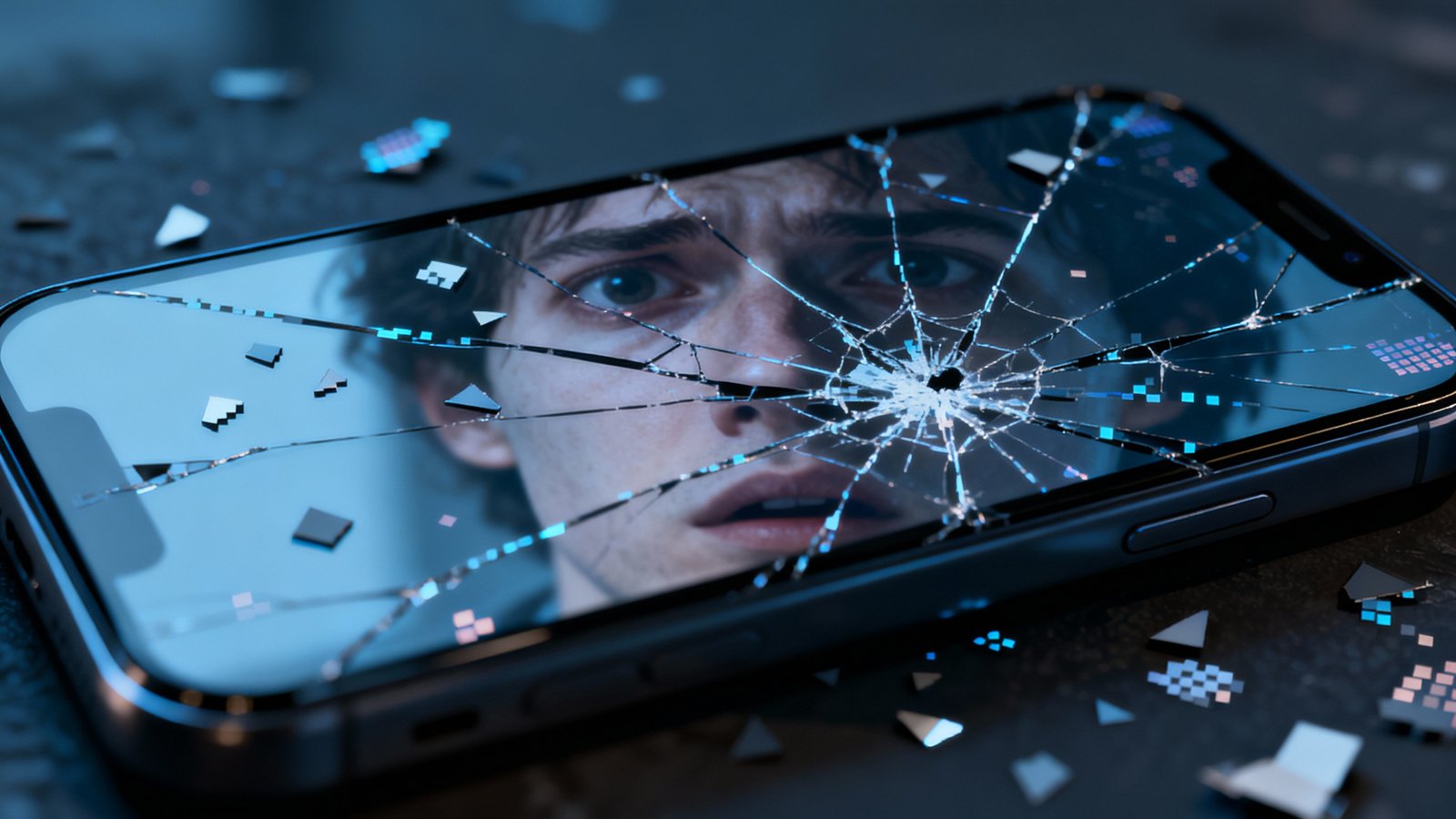
Two hundred million. Let that sink in for a second. That’s not like, a few hundred emails from some forgotten forum you signed up for back in 2005. That’s a staggering, mind-boggling, jaw-dropping 200 million records from Pornhub. And yeah, before you even ask, you probably know what kind of “records” we’re talking about here. If you’ve ever, you know, visited the site, well, your name might just be on a list that’s now floating around out there. Fun times.
So, Your Secret’s Out, Maybe?
Look, I’ve been doing this for fifteen years, and every other week it feels like there’s another “massive data breach.” Target, Equifax, Yahoo – the hits just keep on coming. But this one? This feels a little different, doesn’t it? It’s not just your credit card or your social security number (though, let’s be real, that’s bad enough). This is… personal. Very, very personal. We’re talking IP addresses, viewing habits, search queries. The stuff you probably don’t even tell your therapist, let alone some random hacker in a basement.
The chatter started on Reddit – where else, right? Someone on r/technology dropped the link to a Tom’s Guide piece, and suddenly everyone was freaking out. Two hundred million records exposed. That’s basically the entire adult population of, what, half a dozen medium-sized countries? It’s huge. And it just makes you wonder, like, is anything sacred anymore? Is any corner of our digital lives truly private?
And here’s the thing. For years, we’ve all kind of operated under this unspoken agreement, haven’t we? That what happens on certain sites, stays on those sites. It’s a bit of a laugh, sure, a wink and a nod. But deep down, there’s a genuine expectation of privacy. Because, you know, it’s nobody else’s business. But now? Now that assumption has been absolutely, irrevocably shattered. Like a cheap vase dropped on concrete. Splintered into a million pieces.
What Kind of “Records,” Exactly?
Okay, so let’s get specific, because that’s where the real stomach-churning happens. From what I can gather, and it’s still early days, so things could shift (or get worse, which is usually how these things go, let’s be honest), we’re talking about a treasure trove for anyone with ill intent. Think about it:
- Your IP address. Which, yeah, can be traced back to your general location.
- What you watched. The specific videos, the categories, the “preferences.”
- How long you watched it. Because who doesn’t love a good deep dive into engagement metrics?
- If you were logged in, maybe your username. And if you used a dumb password, well, that’s on you, but it still sucks.
- Any comments you made. Oh, God, the comments.
And if you paid for a premium subscription, or even just bought a little something-something from their store (don’t judge), then suddenly your payment info could be in there too. Not great, Bob. Not great at all.
But Seriously, Is YOUR Privacy Gone?
The short answer? Probably. Or at least, it’s severely compromised. Because even if your specific data hasn’t been directly linked to your real identity yet, the patterns are there. The digital breadcrumbs are everywhere. And once this kind of data is out, it doesn’t just disappear. It gets traded, sold, aggregated, and used in ways we can’t even imagine right now. It’s like glitter – once it’s out, it’s everywhere, forever.
I mean, think about the implications. Imagine someone getting access to your viewing history and then trying to extort you. Or just embarrass you. Publicly. Or imagine a future employer somehow getting wind of this. (Yeah, I know, “illegal,” but who cares? It happens.) This isn’t just about a bit of shame; for some people, this could genuinely ruin lives, careers, relationships.
“It’s not just a breach; it’s a digital nakedness, an exposure of the most private parts of our online lives, and we’re all just standing here wondering who’s looking.”
And that’s the real gut punch, isn’t it? We put our trust, implicitly, in these companies. We assume they’re doing everything humanly possible to protect our data, especially when it’s this sensitive. But time and time again, they fail. Spectacularly. It makes you wonder if they even care, or if they just factor in the cost of these breaches as part of doing business. A little slap on the wrist, a small fine, and then it’s back to business as usual, while millions of people are left exposed.
What This Actually Means
So, what now? Are we all supposed to just stop using the internet? Go live in a cave? Not really a practical solution, is it? But this latest breach, especially given its nature, should be a massive wake-up call. It’s not just about changing your passwords (though seriously, do that, and make them strong, unique ones). It’s about a fundamental re-evaluation of what privacy even means in the digital age. Because right now, it feels like it means very little.
The onus is always put on the individual, right? “You should have used a VPN!” “You should have known better!” “You shouldn’t have visited that site!” And yeah, there’s a degree of personal responsibility. But the companies that collect this data, the ones that profit from it, they have a much bigger responsibility. And frankly, they’re dropping the ball, over and over again. It’s frustrating. It’s maddening. And it’s probably going to keep happening.
So, is your privacy gone? In a way, yeah. The genie’s out of the bottle. What you do now is try to mitigate the damage. Be vigilant. Assume everything you do online could one day be public. Because if this Pornhub hack taught us anything, it’s that those private moments you thought were just for you… well, they might just be for 200 million other people too, whether you like it or not.