
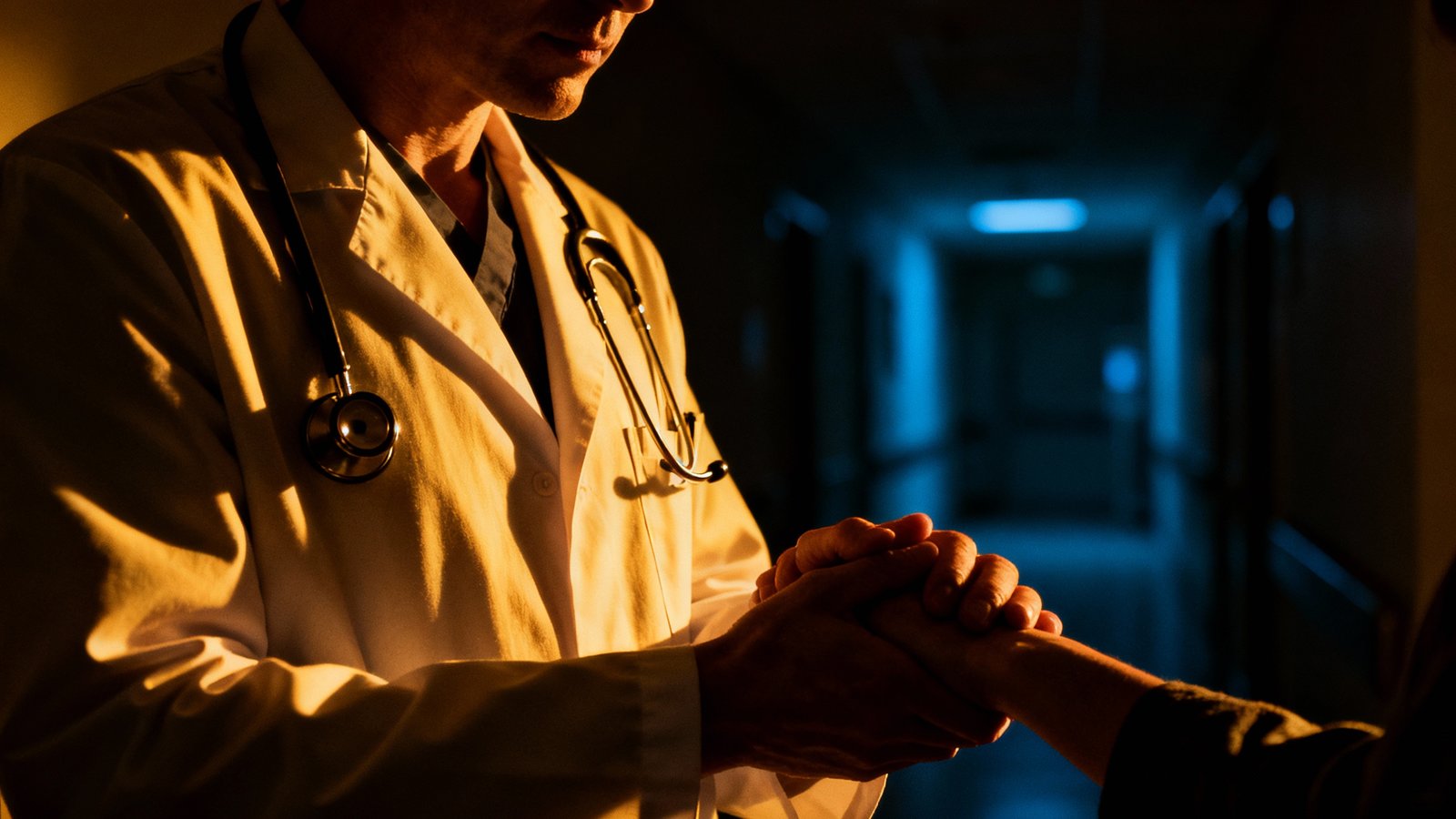
You know, it’s funny how quickly we forget things sometimes. Not like where you parked your car-level forgetting, but more like a societal kind of amnesia. Think back just a few years, to the absolute peak of the pandemic. Remember the nightly clapping? The pot-banging? The rainbow drawings in windows? We were all pretty united then, weren’t we, in our collective, overwhelming gratitude for pretty much everyone working in healthcare. Doctors, nurses, the folks who clean the rooms, the receptionists- everyone was a hero, bathed in this kind of glowing appreciation. And frankly, they deserved every bit of it. And then some.
Then, Noah Wyle, an actor who probably knows a thing or two about playing doctors- he was on ER for a gazillion years, after all- he hit the nail right on the head. He was talking to Us Weekly at a UCLA Health event and was like, “Everybody went out and banged on pots and pans… And then that became almost a carnival… Then it died down.” He’s not wrong. It really did, didn’t it? The spectacle kinda faded. But here’s the kicker- what didn’t die down, what absolutely kept going, was these incredible people showing up, every single day, doing the hardest, most emotionally draining, physically demanding work you can imagine. No cameras, no clapping. Just endless, quiet dedication. And that, my friends, is what the cast of The Pitt is shining a spotlight on this Thanksgiving season, and frankly, it’s about time we all stopped to remember.
The Flimsy Divide Between Screen and Reality
It’s easy, I think, to get swept up in the drama of TV medical shows. Surgeons performing miraculous feats with jazz music playing softly in the background, a perfectly timed witty retort over an open chest cavity, everyone always looking impossibly well-rested despite 48-hour shifts. It’s compelling viewing, absolutely, but it’s also, let’s be real, a highly glamorized version of a brutal reality. Actors like Noah Wyle, Supriya Ganesh, and Shabana Azeez, they get to clock out and go home, shed the scrubs, and leave the medical jargon at the studio. But for actual healthcare workers? That’s their life. Their every single day.
When Acting Becomes Respect
These actors- they’re not just reciting lines anymore. They have a unique window into the gravitas of the profession. Wyle’s been playing John Carter for decades, so he’s practically a medical encyclopedia at this point. He’s seen the sets, he’s read the scripts, he’s probably even learned how to hold a fake scalpel with convincing bravado. But the real admiration seems to come from recognizing the sheer, unyielding effort involved in the actual job. It’s not just about acting like you care; it’s about being there, day in and day out, for people often at their most vulnerable. It’s a different kind of role. A much harder one.
- Perspective Shift: When you’ve simulated a crisis, you gain a deeper appreciation for the actual pressure real docs face.
- Beyond the Script: Actors perform; doctors save lives. That’s a fundamentally different job description.
It’s a little like comparing someone who plays a fighter pilot in a movie to an actual fighter pilot, you know? One gets to pretend to fly at Mach 2; the other is actually doing it, with real consequences. The respect, I think, comes from understanding that vast, crucial difference.
The Fading Applause and Enduring Dedication
That “carnival of appreciation” Wyle mentioned- yeah, that really sticks with you. It was a moment in time, incredibly heartfelt at first, but ultimately ephemeral. It faded like so many fleeting trends. What didn’t fade? The actual, boots-on-the-ground work being done in hospitals, clinics, and emergency rooms around the clock. That’s the unsung part. That’s the quiet heroism that sustains us all, even when we’re not thinking about it.
Acknowledging the Unseen Labor
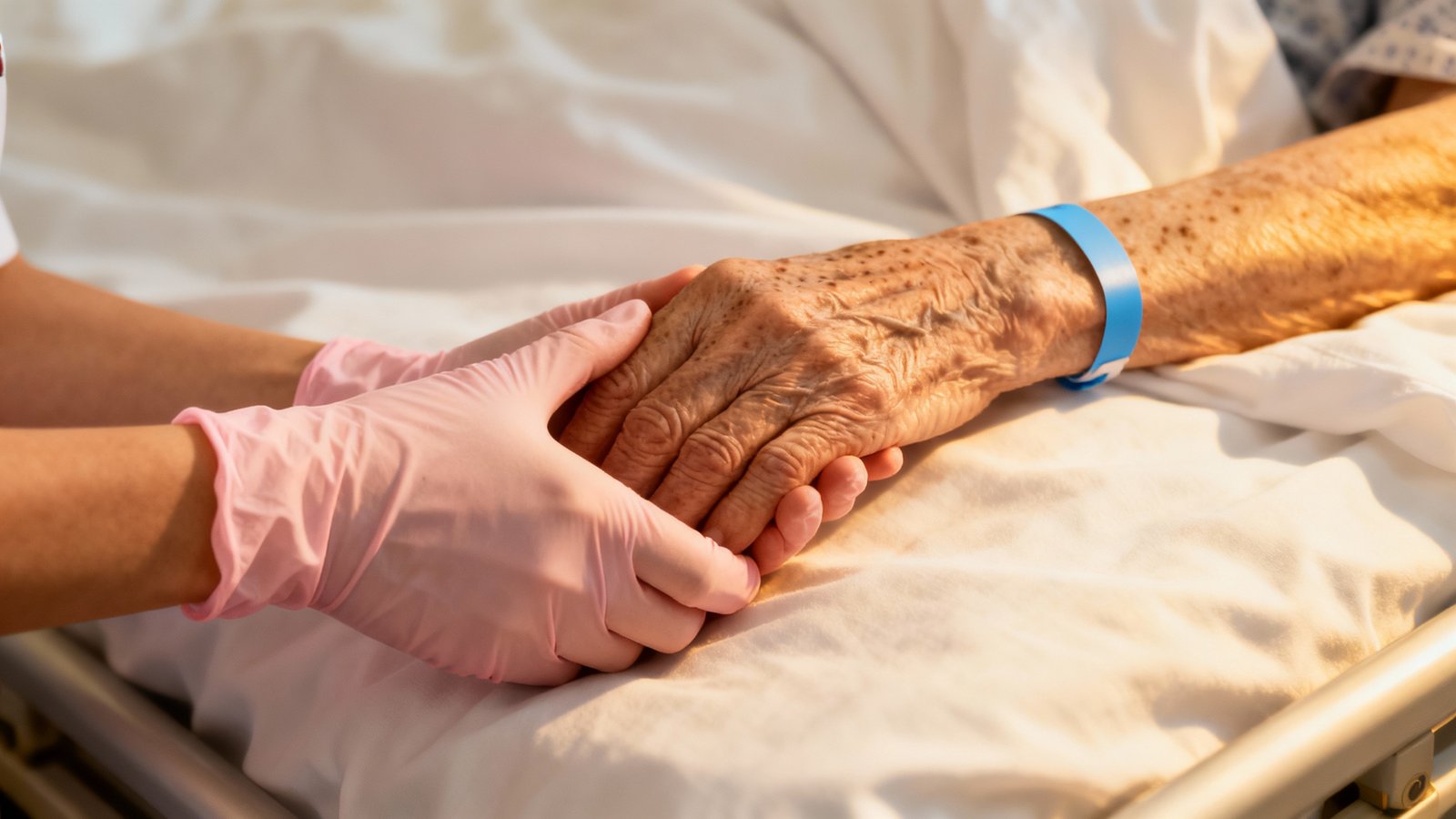
It’s not just the doctors with their fancy degrees, either. It’s the nurses, who often spend more direct time with patients, managing their pain, their fears, their practical needs. It’s the support staff- the janitors who keep things sterile, the cafeteria workers who feed everyone, the administrative folks who wade through mountains of paperwork. Every single person in that ecosystem is playing a vital part. And when the public’s attention moves on to the next big thing, these individuals are still there, working their shift, confronting exhaustion, burnout, and emotional toll that most of us can only vaguely imagine. It’s relentless. I mean, can you imagine dealing with that level of emotional intensity every single day? It’s mind-boggling.
“During the pandemic, we saw this unbelievable rise of appreciation for frontline workers and the risks that they take,” Wyle said, “And then that became almost a carnival… Then it died down.” What didn’t stop… was doctors, nurses and support staff going to work every day and doing [their jobs].”
This quote, from Wyle, it’s powerful because it highlights the true nature of their dedication. It’s not about the spotlight; it’s about the mission. It’s about being there, consistently, for other people. That kind of selflessness, well, it’s pretty rare, really. Especially in a world that often prizes individual achievement over collective wellbeing.
Thanksgiving and a Deeper Meaning of Gratitude
So, as we head into Thanksgiving, a time traditionally for counting our blessings, maybe we should take a cue from the cast of The Pitt. Instead of just a fleeting thought, could we cultivate a more sustained, actionable appreciation for these folks? It’s not about banging pots anymore- it’s about recognizing the systemic pressures they face, advocating for better conditions, fair pay, and robust mental health support within the industry.
Beyond the Applause- What Now?
Real gratitude isn’t just a moment of applause; it’s an ongoing commitment. It’s remembering that the risks taken during the pandemic didn’t just vanish. They morphed, changing shape perhaps, but the pressure points remain. Burnout is still a massive issue. Staffing shortages are chronic. The emotional toll of constantly witnessing suffering? That doesn’t just disappear when the news cycle moves on. It lingers, affecting lives long after the last camera flashes fade.
So, yeah, let’s take a page from Noah Wyle, Supriya Ganesh, and Shabana Azeez. Let’s remember the real heroes who aren’t just playing a role on screen. They’re living it every single day, quietly, tirelessly, saving lives and providing comfort. This Thanksgiving, let’s make our gratitude less of a fleeting spectacle and more of a deeply ingrained, sustained reverence for the people who truly hold our health- and society- together. They more than earned it, and they continue to earn it, every single minute.