
Now, you might think, “Okay, so what? Countries have companies that work with their military.” And yeah, sure, that’s true to an extent. But this isn’t just a casual supplier relationship. The Pentagon’s move, as reported by Bloomberg, is to potentially add these behemoths to a sort of naughty list – the 1260H list, to be precise. That’s the list of companies allegedly “operating in the United States or its territories” that are linked, directly or indirectly, to China’s military. The implications, even just the suggestion of adding them, are
huge. It’s not just about trade anymore; it’s about national security, data, influence, and basically, who holds the reins in the next big technological leap.
The “Naughty List” and Why it Matters
So, this 1260H list – it’s kind of a big deal. It came from the 1999 National Defense Authorization Act, which feels ancient in tech years, right? But it’s gaining new teeth today. Getting on this list doesn’t automatically mean sanctions, ironically enough. It’s more like a flashing red light, a warning shot, if you will. For American companies, individuals, and even investment firms, it’s a giant “proceed with extreme caution” sign. Or, more often, a “maybe don’t proceed at all” sign.
The Domino Effect of a Designation
Think about it. If you’re a big U.S. pension fund or a tech startup seeking collaboration, and a company like Alibaba is on this list, your legal team is going to have a collective meltdown. The risk of future sanctions, the reputational damage, the potential for being cut off from U.S. markets – it’s just not worth it for many. It effectively makes these companies radioactive, at least for U.S. entities. It’s not an outright ban, but it’s a very strong hint, a nudge, a shove even, to disengage. We’ve seen this kind of thing before, slowly building pressure.
- Point: The list isn’t an immediate sanction trigger.
- Insight: It’s a strategic move to discourage investment and bolster future actions. It’s like putting a company on probation, making everyone else wary of associating with them.
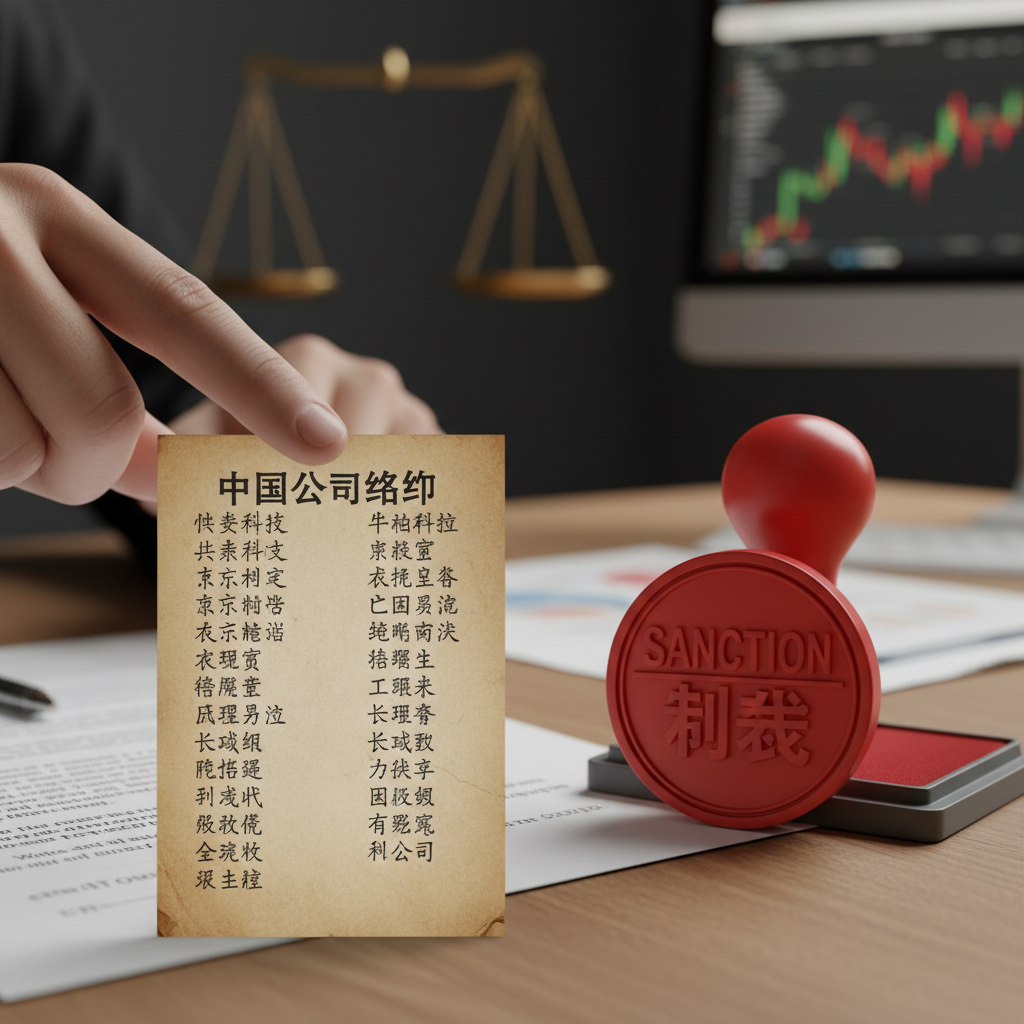
The whole idea here is to prevent American money and technology from inadvertently (or advertently, who knows?) helping China’s military modernization efforts. It’s a broad-strokes approach, sure, but it’s also a pragmatic one from the Pentagon’s perspective. They’re basically saying, “We can’t always pinpoint every single microtransaction, but we can draw some pretty clear lines around the big players.” And these are undeniably big players, with tentacles stretching into every corner of the digital and physical economy.
“This isn’t just about trade friction; it’s a fundamental challenge to the global tech supply chain and investment landscape.”
Who’s on the Radar? Alibaba, Baidu, BYD – and Beyond
So, why these three in particular? Alibaba, obviously, is a massive e-commerce and cloud computing giant. Baidu is the Google of China, essentially, with deep dives into AI and autonomous driving. And BYD? They’re huge in electric vehicles and batteries, pushing Tesla hard, actually. The common thread seems to be their involvement in technologies that have clear dual-use potential – stuff that’s great for consumers but could also be incredibly useful for military applications. Think advanced AI for surveillance, cloud infrastructure for data crunching, or cutting-edge battery tech for… well, everything.
The Tech-Military Nexus: A Gray Area?
This intersection of civilian tech and military application is where things get really fuzzy, and really tense. It’s not like Alibaba is building tanks in their spare time, right? (Or are they? Kidding, mostly.) But if their cloud services are hosting sensitive military data, or if their AI researchers are contributing to facial recognition systems that could be used for military intelligence or internal security, then suddenly that line becomes very thin. It’s a strategic ambiguity that China’s government is often accused of exploiting, making it tough for other countries to separate civil innovation from military strategy.
- Point: Dual-use technologies are at the heart of the issue.
- Insight: The blurring of lines between civilian tech development and military application creates a major challenge for regulatory bodies trying to control technology transfer. It’s like trying to untangle a very complex, very high-stakes knot.

And it’s not just tech. BYD, for instance, in electric vehicles and battery technology – that’s critical infrastructure for any modern military, let’s be honest. Logistical advantage, energy independence; these are huge. So, it appears the Pentagon is looking at the entire ecosystem of advanced tech that could give China an edge. It’s pretty comprehensive, actually.
What’s Next? Anticipating the Aftershocks
So, what happens now? The Pentagon makes its suggestion, and then it goes through an interagency review process. It’s not a done deal, but once the Pentagon puts its weight behind something like this, it generally carries a lot of sway. If these companies do get added to the 1260H list, we can expect a fresh round of volatility for their stock prices, particularly on U.S. exchanges. Investors get skittish, and rightly so.
Will China Retaliate? Bet on it.
Beijing isn’t just going to sit there and whistle a happy tune. We’ve seen this play out before. When Washington takes action against Chinese companies, China often responds in kind, perhaps by targeting U.S. firms operating there or restricting crucial exports. It becomes a tit-for-tat, always escalating, never quite de-escalating. The global economy, already a bit wobbly, probably doesn’t need more of these high-stakes geopolitical chess matches. But here we are. It feels a bit like watching two heavyweights slowly circle each other, trading jabs, knowing the knockout blow could come anytime. We’re talking ripple effects across supply chains, investment strategies, and even the very nature of global technological collaboration. It’s a messy situation, and it’s probably going to get messier before it gets better.
This isn’t just about a few companies or a single list; it’s about a deeply entrenched rivalry between two global superpowers, played out through the lens of technological dominance. It’s a battle that will shape not only the future of innovation but also the very structure of the international order. And frankly, we’re all kind of caught in the middle, aren’t we? Just trying to order our stuff online, maybe drive an electric car, while the future of global tech hangs in the balance. Wild times.