
Pam Hogg: Legacy’s Unraveling
Okay, so you hear a name, right? A name that’s been practically synonymous with a certain kind of wild, unapologetic cool in fashion for decades. Pam Hogg. The kind of name where, even if you couldn’t identify a single one of her garments out of a police lineup, you still knew she was a force. A rebel. Someone who dressed like she didn’t just walk to the beat of her own drum, she probably built the drum kit herself out of scrap metal and attitude.
Then, suddenly-and I mean really suddenly, the kind of sudden that gives you whiplash-the news drops. TMZ, of all places, reports it first, around November 26th, about her passing. And you just stop. Because how do you even begin to process something like that, especially when someone seemed so utterly, stubbornly indestructible? It really makes you think, doesn’t it, about the kind of indelible mark some people leave?
The Queen of Rebel Couture-and the Quiet Exit?
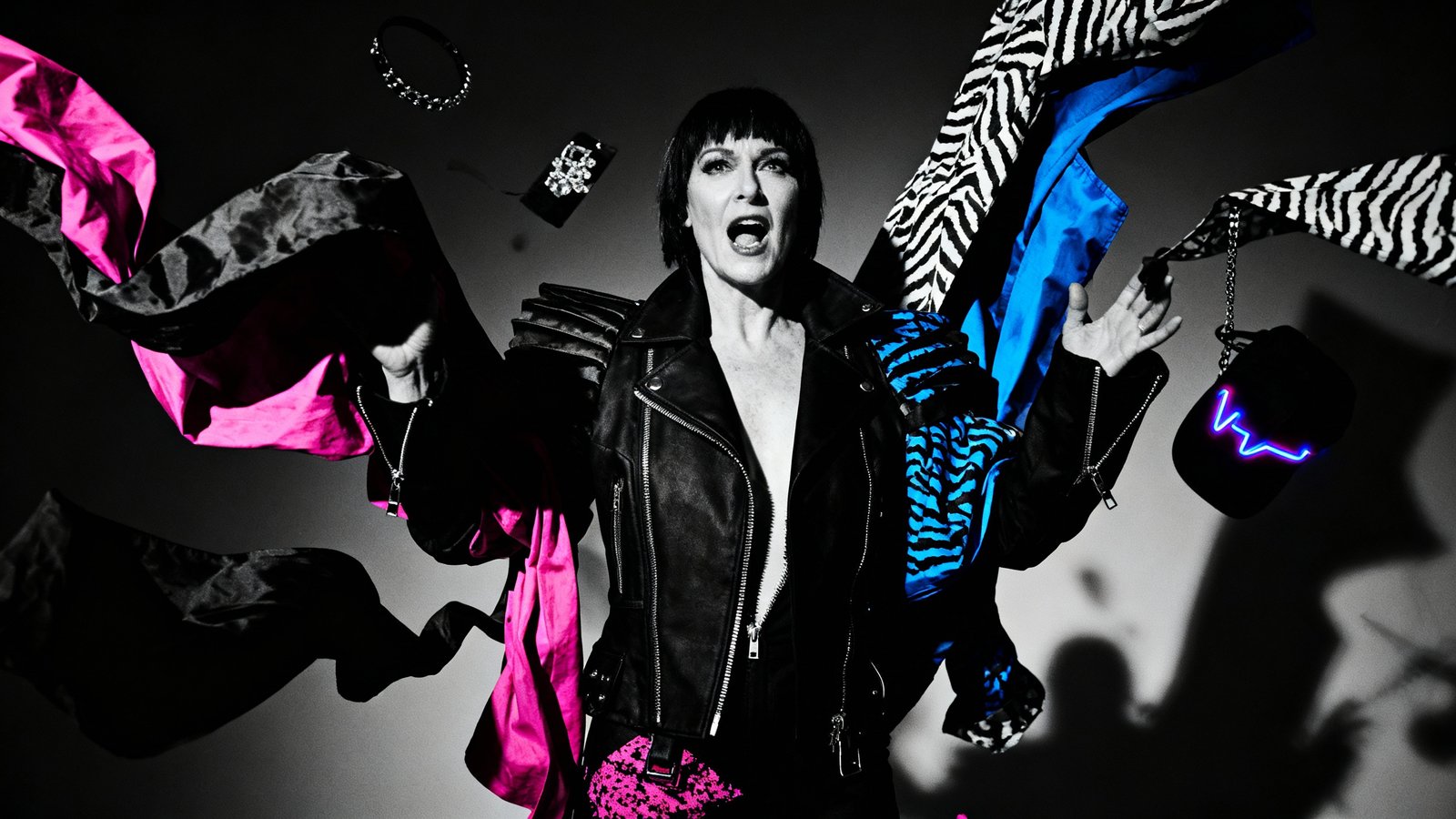
Pam Hogg wasn’t just a designer; she was a phenomenon. Think about it-her stuff, her whole vibe, it transcended clothes. It was about an attitude, a way of looking at the world, a rejection of anything remotely bland or corporate. Her catsuits, her spiked shoulders, the sheer, theatrical spectacle of her shows-they weren’t just fashion; they were happenings. You know, like, true performance art tucked into PVC and glitter.
From Punk Rock Stages to Catwalks
Her story’s a wild ride, honestly. She wasn’t some design school prodigy who just floated into London’s fashion elite. Nope. Pam Hogg was a musician first, playing in bands like the Dolls and Amazulu. That punk rock ethos-that DIY, no-rules sensibility-it permeated absolutely everything she touched. You could see it in her early collections in the 80s, all those daring silhouettes and subversive touches. She wasn’t just dressing people; she was creating characters, outfits for people who wanted to stand out, scream a little, maybe even cause a tiny bit of trouble.
- Early Days: Started out with a buzz, quickly becoming a favorite among the new romantics and indie crowd.
- Signature Style: Skin-tight latex, PVC, sharp angles, a sort of futuristic warrior-woman aesthetic blended with classic rock and roll.
The Celebrity Embrace and Mainstream Pushback
And boy, did celebrities notice. Kylie Minogue, Siouxsie Sioux, Debbie Harry-they all gravitated to her unique vision. Even Lady Gaga, a modern icon of theatricality, wore Hogg. It felt like a natural fit because Pam Hogg’s designs weren’t just clothes; they were costumes for life. But here’s the thing-while she had this immense underground and celebrity following, she never really chased, or maybe even wanted, the kind of massive mainstream commercial success that some designers do. She stayed true to her vision, which, honestly, is rarer than hen’s teeth in today’s fashion landscape.
“Pam Hogg represents the true spirit of British fashion-unapologetic, innovative, and a little bit dangerous.” – Journalist Sarah Mower, years ago.
The Digital Echoes and Unsettling Silence
Now, you’d think someone of her stature, her longevity, would have a barrage of heartfelt tributes, official statements, you know, the whole nine yards, immediately after such news breaks. And there were some, for sure, from people who knew her, worked with her, admired her. But it felt… different. Not a tidal wave in the way you might expect for someone so iconic. It was, well, kind of unsettling.
Social Media’s Mixed Reaction
We live in an age where everything explodes on social media, right? A celebrity sneezes, and it’s trending. Pam Hogg’s passing, initially reported by a source most people associate with celebrity gossip, not high fashion obituaries, created this weird ripple effect. Some people were genuinely shocked and sad, sharing memories of seeing her shows or wearing her clothes. Others, perhaps younger or less immersed in the fashion world, were genuinely asking, “Who was Pam Hogg?” It’s a reminder of how quickly even truly influential figures can, sort of, slip through the cracks of collective consciousness in our hyper-accelerated digital world.
- First Wave: Fans and industry insiders sharing personal anecdotes.
- Second Wave: A broader public, some learning of her impact for the first time.
The Legacy Question: Will Her Impact Endure?
This is where it gets interesting, and maybe a little melancholic. When someone like Pam Hogg, who resisted easy categorization and refused to dilute her vision for wider appeal, unexpectedly leaves us, it begs the question: how will her legacy be preserved? Will it continue to inspire new generations of designers and artists who crave that raw, unvarnished creativity? Or will she become one of those “if you know, you know” figures, a legend whispered among fashion historians and true aficionados? We’re talking about someone who made fashion dangerous again, in a really brilliant way.
Beyond the Sequin and Spandex
What I find truly compelling about Pam Hogg isn’t just the clothes-it’s the spirit she embodied. It was a spirit of defiance, of embracing your own weirdness, of saying “no, thank you” to the expected paths. In an industry that, let’s be honest, can often feel quite conservative, despite its outward appearances of trendiness, she was a true outlier. She carved her own path, and she did it with an unwavering commitment to her artistic vision, even if it meant not being on every billboard or in every department store.
An Iconoclast’s Enduring Message
Her life, and now her passing, kind of serve as a reminder that true originality never really dies. It just, you know, morphs. It inspires the next rebel, the next artist who doesn’t fit neatly into a box. Pam Hogg showed us that fashion can be more than just fabric stitched together; it can be a statement, a protest, a celebration of individuality. It’s a powerful message, especially today, when everything often feels so curated and polished.
So, as the immediate shock fades, and the world slowly catches up to the fact that one of its most colourful characters is gone, I really hope her work-her audacity, her sheer nerve-doesn’t just become a footnote. It should be a chapter, a really loud, glitter-splashed chapter, in the story of fashion and, frankly, in the story of just being yourself, no matter what. She was Pam Hogg, and there’ll never be another one.