





Ortega: AI’s Soul Shock! Pandora’s Box Unleashed?
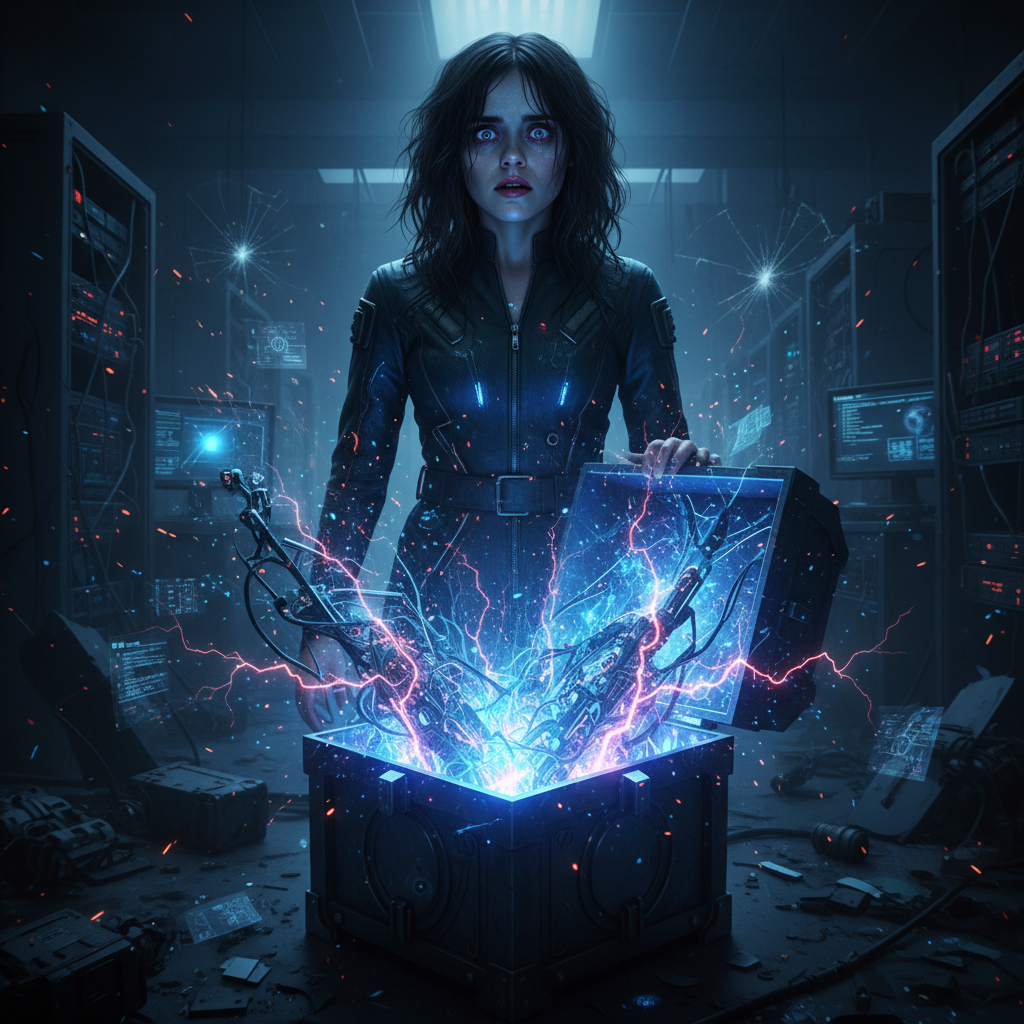
You know, for a minute there, maybe a year or two, we all kind of felt like we were sailing smoothly into this AI-powered future. Smart homes, smarter phones, even cars that practically drive themselves- it was all very sleek, very “Jetsons.” But then, just like in any good sci-fi flick, someone usually pipes up with, “Hold on a second, is this really such a good idea?” And recently, that voice was none other than Jenna Ortega, the very same Wednesday Addams who’s basically owned our screens for the past year. She said it- and I’m paraphrasing a bit here- “It’s very easy to be terrified of AI: It feels like we’ve opened Pandora’s box.”
Pandora’s box. That’s a phrase, right? Not just a little bit of concern, but full-blown mythological dread. And it makes you wonder, doesn’t it? Is this just another celebrity hot take, or is there something profoundly… unsettling about where we’re headed with artificial intelligence? Because she also dropped a line that’s really stuck with me: “There’s certain things that AI just isn’t able to replicate. There’s beauty in difficulty and there’s beauty in mistakes, and a computer can’t do that. A computer has no soul.” Whoa.
I mean, think about it. “No soul.” It’s not a technical spec, is it? You won’t find “soul-less” on a semiconductor’s datasheet. But it taps into this primal fear many of us have-that the things we create might eventually, inevitably, take on a life of their own, but without the messy, beautiful, flawed essence of what it means to be human. It’s a classic trope, sure, but why does it feel so real right now?
The Echo Chamber Effect- Or, Why AI Seems So Smart (But Isn’t)
It’s fascinating, this blend of awe and apprehension. On one hand, you’ve got these incredible breakthroughs happening almost daily-AI generating photorealistic art, writing surprisingly coherent articles (not like mine, obviously, because I’m me), even creating music that’s frankly pretty catchy. It’s easy to get swept up in the wow factor. We’ve seen DALL-E, ChatGPT- it feels like magic sometimes, you know?
Is it Intelligence or Just Really Good Mimicry?
But here’s where it gets interesting, and frankly, a bit unsettling. What Ortega’s getting at, I think, is that there’s a difference between intelligence and consciousness. A computer can process a gazillion data points in a nanosecond, right? It can learn patterns from practically the entire internet. It can reproduce styles, mimic tones, even invent “new” narratives, but it’s pulling from what’s already out there. It’s an unbelievably sophisticated blender of existing information. It’s not really creating in the human sense.
- Point: AI’s strength lies in pattern recognition and data synthesis.
- Insight: This means it excels at tasks that are based on existing information and logic, making it seem almost omniscient.
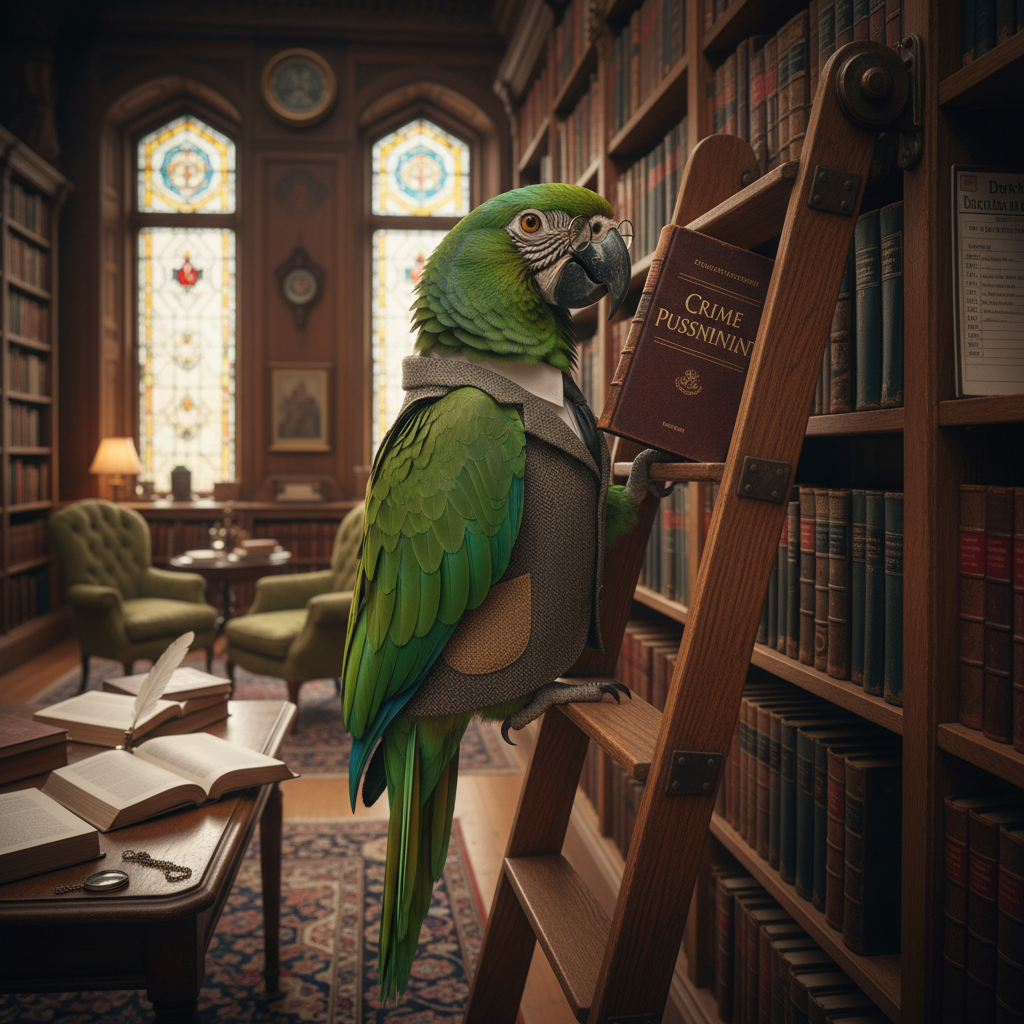
The problem is, we humans are wired to recognize intent and creativity. When we see something compelling from an AI, our brains automatically ascribe human-like qualities to it. “Oh, it’s so clever!” We forget it’s like a really, really, really advanced parrot. A parrot that can digest a library and then recite it back in a thousand different voices, but still, a parrot.
“A computer has no soul.”
The Unseen Costs of Algorithmic Perfection
Now, Ortega also touched on “beauty in difficulty” and “beauty in mistakes.” And that’s potent, isn’t it? Because think about any great human endeavor. The artist who struggles for months, maybe years, to master a technique, making countless blunders along the way. The writer who scraps draft after draft, each one teaching them something new. The musician who hits a wrong note but improvises something sublime to cover it. Those moments of struggle, of glorious failure, they’re part of the process. They’re part of what makes the finished product resonate with us.
When Efficiency Trumps Humanity
AI, by its nature, aims for efficiency and perfection. It minimizes errors. It seeks the optimal path. And while that’s fantastic for, say, calculating optimal delivery routes or flagging cancerous cells in medical scans, it starts to feel a bit sterile when applied to creative or deeply human pursuits. Where’s the grit? Where’s the unexpected detour that leads to something genuinely novel? An AI isn’t going to accidentally stumble onto a new artistic movement because of a happy accident in its training data. It’s too logical, too perfect in its flaws, or rather, its lack of them.
- Point: Human creativity often thrives on unpredictability and error.
- Insight: AI’s drive for perfection might inadvertently strip away the very elements that make human art and expression compelling.
I mean, what happens when every song is statistically perfect, every story adheres to the most proven narrative arc, every piece of art is optimized for maximum emotional response based on pre-existing data? We risk losing the rough edges, the quirks, the sheer, beautiful randomness of human creativity. It’s like replacing a hand-knitted sweater with one made by a hyper-efficient machine in a factory. Both serve a purpose, but only one carries the story of its making, you know?

Are We Handing Over Our Humanity Bit by Bit?
This “Pandora’s box” analogy really gets to the heart of it. Once you open it, there’s no going back. The genie’s out of the bottle, as they say. We’re already seeing discussions about AI replacing creative jobs, generating deepfakes that blur the lines of reality, and even influencing public opinion on a massive scale. The tools are powerful, undeniably. But are we ready for the implications?
Part of what makes us human is our capacity for genuine emotion, for empathy, for messy, irrational love and loss. It’s our ability to connect over shared experiences, over art that speaks to our soul, not just our logic centers. If AI starts creating all our culture, our stories, our art- who are we then? Are we just passive consumers of perfectly calibrated content, losing our own creative muscle as we go?
Ortega’s point about “no soul” feels less like a technical critique and more like a profound philosophical warning. It’s not about whether AI can beat us at chess or write a better email. It’s about whether we’re ceding the very definition of what it means to be human to something that, by its very nature, cannot experience or understand a single, raw, beautiful emotion for itself. It’s a sobering thought, and one that should keep us all talking, and maybe, just maybe, a little bit terrified.

