
OpenAI just fired a bunch of people from their safety team, and yeah, the timing is absolutely terrible. We’re talking about the folks who were supposedly making sure GPT-5 doesn’t go off the rails – and they’re getting shown the door right after launch. If you’re not at least a little concerned about this, you haven’t been paying attention.
The Purge Nobody’s Talking About Enough
Here’s what we know: multiple safety researchers and alignment experts got let go in what OpenAI is calling “routine organizational restructuring.” But here’s the thing – when you fire safety people right after shipping your most powerful model yet, it doesn’t look routine. It looks like you’re clearing house.

And look, I get it. Companies do layoffs. Tech companies especially. But the pattern here is what’s driving people nuts. OpenAI has been bleeding safety talent for over a year now. Ilya Sutskever? Gone. Jan Leike? Left and didn’t exactly keep quiet about why. Now we’ve got reports of entire teams getting decimated, and the official line is basically “trust us, everything’s fine.”
Except everything’s not fine, is it? These weren’t random middle managers. From what sources are saying, we’re talking about people who were actively working on alignment research, who were raising concerns about deployment timelines, who were – and I’m just gonna say it – probably being annoying to executives who wanted to move faster.
The Whistleblower Question
So were they whistleblowers? That’s the word bouncing around Reddit and Twitter, and honestly… it’s complicated. Technically, a whistleblower reports illegal activity. But if you’re raising red flags internally about safety protocols being rushed or ignored, and then you get fired? The distinction starts feeling pretty academic.
What’s wild is how quiet OpenAI is being about the specifics. No names, no numbers, just vague statements about “realigning resources” and “evolving priorities.” Which, not gonna lie, is exactly what you’d say if you were trying to downplay something significant.
Why This Keeps Happening
I’ve covered tech long enough to see this movie before. Company has mission-driven culture, grows fast, takes on massive investment, and suddenly the mission gets… flexible. OpenAI started as a nonprofit that was going to save humanity from dangerous AI. Now they’re a capped-profit company racing to beat Anthropic and Google to the next benchmark.
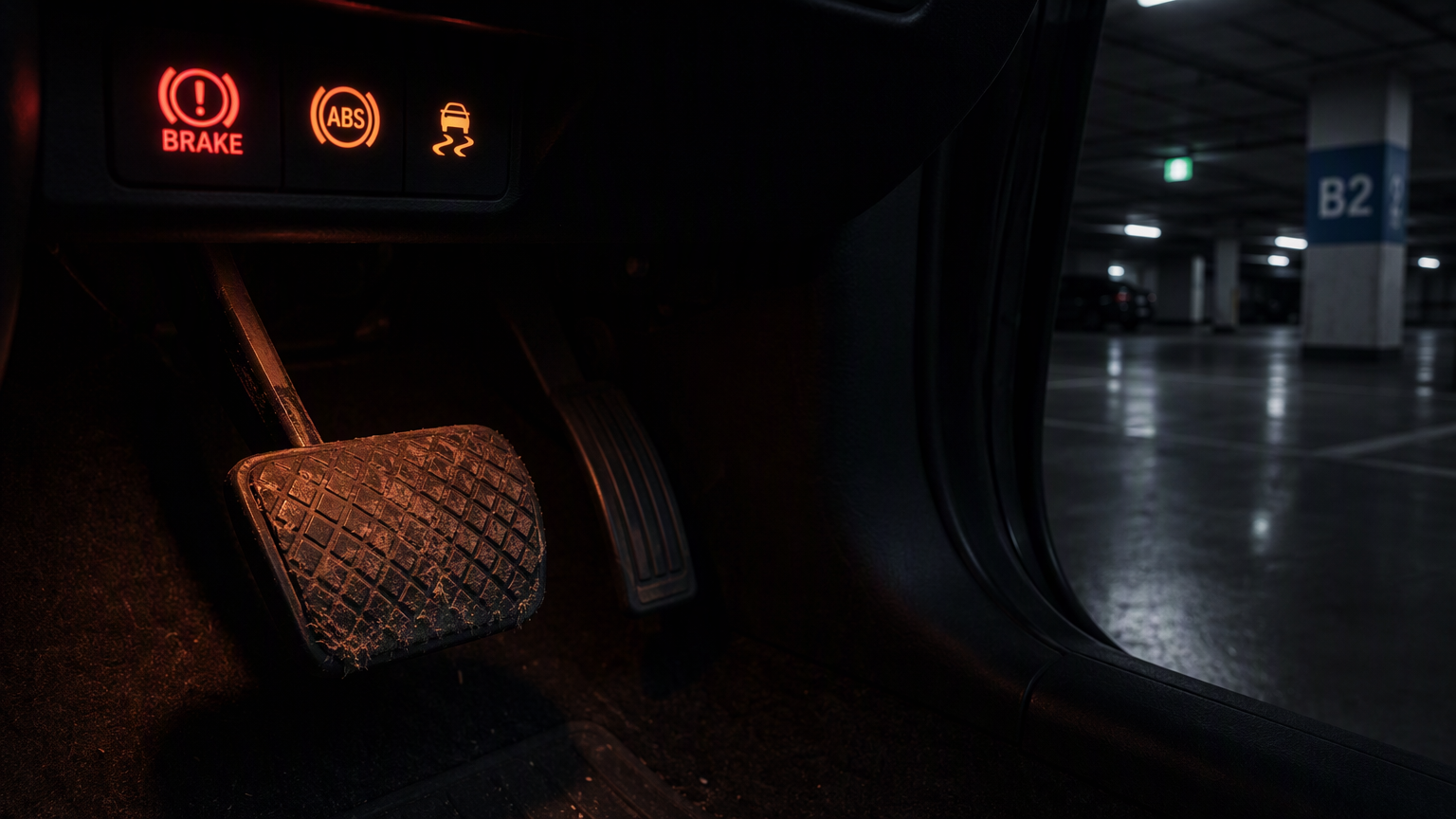
And the safety team? They’re basically the brake pedal. Which is great when you’re approaching a cliff, but really annoying when your investors want you to floor it.
“The people who understood the risks best are no longer in the room where decisions get made. That should terrify you.”
That quote’s from a former OpenAI researcher who didn’t want to be named (shocker), but it captures what a lot of people in the AI safety community are feeling right now. There’s this growing sense that the adults have left the building, and we’re just hoping the interns remember where the fire extinguisher is.
The GPT-5 Connection You Can’t Ignore
Let’s talk timing for a second. GPT-5 dropped in August – a genuinely impressive model, way more capable than GPT-4. And now, a few months later, we’re seeing safety team cuts? Come on. Either these people became redundant the moment after launch (which… seems unlikely?), or someone decided they were more valuable before the product shipped than after.
I mean, this is the team that’s supposed to be monitoring for problems post-deployment, right? Looking for emerging risks, weird edge cases, potential misuse patterns. But sure, let’s trim that budget now that the model’s actually out in the wild and being used by millions of people. Makes perfect sense.
What really gets me is how normalized this has become. Every AI lab does some version of this – hire safety people to make everyone feel better, then gradually sideline them when they start slowing things down. It’s like having a lawyer review your contract but only listening to them when they say yes.
What Nobody Wants to Admit
The uncomfortable truth? Safety is expensive and it doesn’t show up on a feature list. You can’t market “we didn’t release the thing that would’ve been really cool but potentially dangerous.” Investors don’t get excited about robust testing pipelines. Users don’t subscribe because you took an extra six months to red-team your model.
So when it comes time to cut costs or speed up shipping, guess which team becomes “non-essential”?
And before someone jumps in with “but they still have safety people!” – yeah, probably. But how many? With how much authority? Reporting to whom? There’s a huge difference between a robust safety organization with real power to delay or modify releases, and a compliance checkbox that rubber-stamps whatever the product team already decided.
From what I’m hearing through back channels, morale among the remaining safety staff is… not great. People are updating their LinkedIn profiles. Recruiters are circling. The brain drain that started with the high-profile departures is accelerating, and that’s arguably more dangerous than the initial firings.
What This Actually Means
Look, I don’t know if OpenAI is about to accidentally unleash Skynet or whatever. Probably not. GPT-5 is impressive, but it’s not exactly plotting to overthrow humanity. But that’s not really the point, is it?
The point is we’re building increasingly powerful systems, and the people whose job it was to think carefully about the risks are getting pushed out. Not because they were bad at their jobs – if anything, they were maybe too good at them. They were asking hard questions and pumping the brakes, and apparently that’s not what we do anymore.
What worries me isn’t just this round of cuts. It’s what it signals about priorities. It’s the message it sends to the safety researchers who remain: don’t be too much of a pain, or you’re next. And it’s the precedent it sets for every other AI lab watching to see what they can get away with.
Maybe I’m overreacting. Maybe this really is just normal corporate restructuring and everyone’s reading too much into it. But when you’re building technology that could genuinely reshape society, “probably fine” shouldn’t be your safety standard. And firing the people who were supposed to make sure of that? That’s not a great look. That’s not a great look at all.