

So, you’ve heard the rumblings, right? That collective gasp when a company that’s supposed to be the future of electric vehicles – hell, maybe even the future of mobility – suddenly sees its stock take a nosedive, and industry watchers start bailing. We’re talking about NIO here, the Chinese EV maker that, for a minute there, looked like it could really give Tesla a run for its money, at least in certain markets. But lately, it feels like they’re hitting every pothole on the information superhighway.
I mean, just last week, Macquarie did a pretty dramatic thing. They didn’t just trim their expectations; they downgraded NIO’s rating and slashed its price target. Not exactly a vote of confidence, is it? For a company that’s been so aspirational, so ambitious, it makes you wonder what’s really going on behind the glossy showrooms and battery swap stations.
It’s not just the analysts who are getting cold feet, though. When the smart money-movers, the people who actually manage money, start moving away, that’s when you really gotta pay attention. What are they seeing that maybe we’re not? Or are we just looking at the same clouds, but they’re seeing the impending storm?
The Onvo Question: More Like On-No?
Here’s where it gets interesting, and frankly, a bit puzzling. A big chunk of Macquarie’s downgrade hinges on what they’re calling “weak Onvo demand.” Now, for those not hip to the latest EV lingo, Onvo is NIO’s new sub-brand, kind of like what Lexus is to Toyota, or what… well, not quite, but you get the idea. It’s supposed to be their play for a broader, more accessible market. Think of it as NIO’s attempt to go a bit more mainstream, less luxury-niche.
But the early chatter? Not so great, apparently. Macquarie suggests initial orders for the Onvo L60, their flagship model in this new line, are looking way below expectations. This is crucial because Onvo was supposed to be a massive growth driver for NIO, a way to expand beyond its current, more premium demographic. If that engine isn’t firing, well, you’re just coasting, aren’t you?
A Strategy Misstep or Just Bad Timing?
You’d think, launching a new brand, you’d want to hit it out of the park. Especially in a market as competitive as China’s EV scene. But maybe they misjudged the appetite? Or perhaps, the L60 just isn’t resonating the way they hoped. It’s a tough market to crack, with everyone from BYD to Xiaomi throwing their hat into the ring. There’s a real fight for those middle-income buyers, and sometimes, even a great product can get lost in the noise.
- The L60’s Vibe: Was it too similar to competitors, or did it fail to offer that distinct NIO magic at a lower price point? It’s all about perceived value in this segment.
- Market Satiation: China’s EV market is experiencing something of a boom, but also intense price wars. Maybe launching a mid-range brand now, without an utterly compelling USP, was just bad timing.
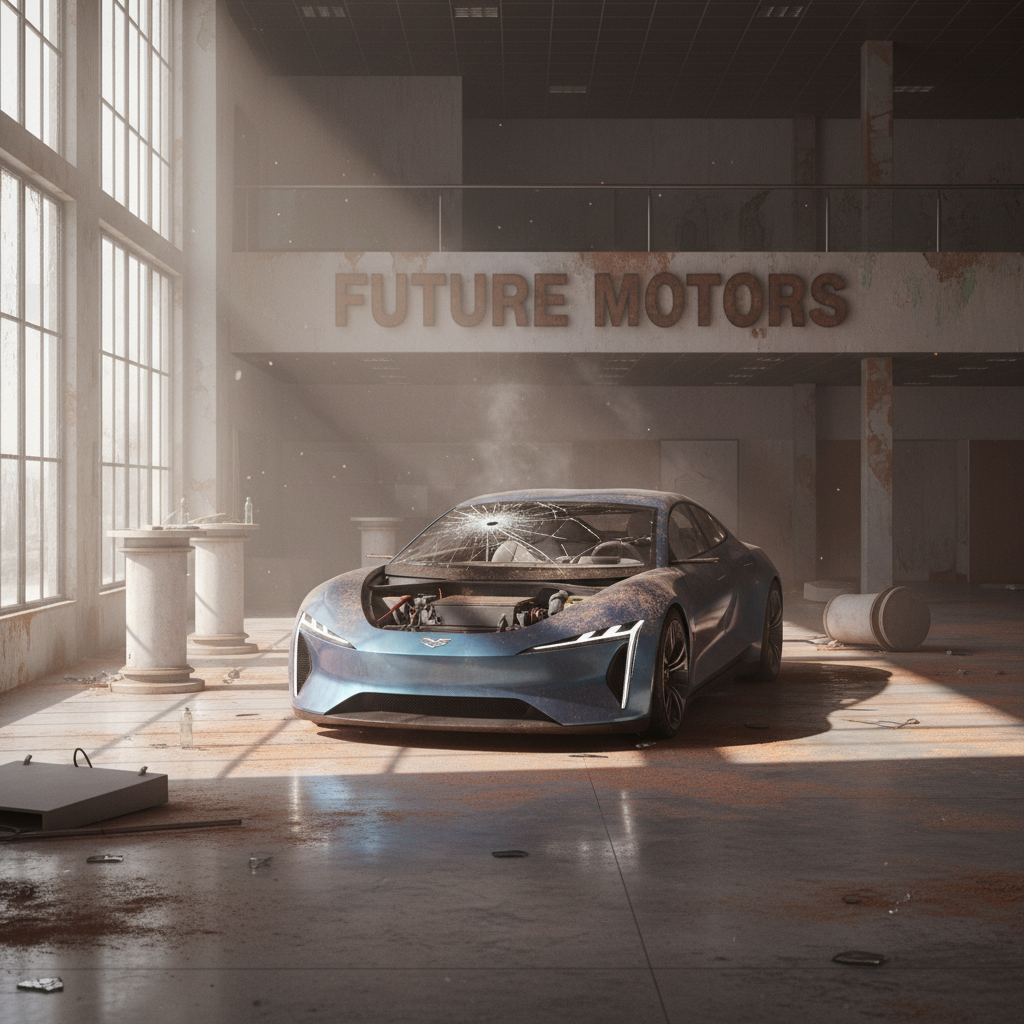
I mean, you look at some of the commentary, and it’s less about the technical specs and more about the market perception. In a world where everyone wants to create a “mass-market disruptor,” sometimes you just create another car. And that’s not going to move the needle for investors.
The Ghost in the Machine: Policy Risks
Beyond the Onvo hiccup, there’s a bigger, more nebulous beast lurking in the background for Chinese EV makers like NIO: policy risks. This is where things get really geopolitical, and frankly, a bit nerve-wracking. We’re talking less about car design and more about international relations. That’s a whole different ballgame.
“The market abhors uncertainty, and geopolitical headwinds create a storm of it for companies with significant international exposure. It’s not just about selling cars; it’s about navigating a very complex diplomatic chessboard.”
You’ve probably seen the headlines – tariffs, trade disputes, the whole shebang. Countries, particularly in the West, are getting a little antsy about the influx of Chinese goods, including EVs. It’s not just about protecting domestic industries; it’s tangled up in national security concerns, supply chain resilience, and frankly, a bit of political posturing. For a company like NIO, which has aspirations to expand beyond China, these policy shifts can feel like they’re trying to outrun a shadow.
The Ripple Effect of Trade Tensions
When governments start slapping tariffs on imports – or even just threatening to – it completely messes with business models. Suddenly, your carefully calculated profit margins disappear. Your competitive edge evaporates. And for investors, that kind of unpredictability is like Kryptonite. They want stability, a clear path to growth; what they’re getting instead is a really foggy road ahead.
- Market Access Hurdles: If new markets become too expensive or politically difficult to enter, NIO’s international growth story takes a huge hit. That’s a core part of its long-term vision, isn’t it?
- Supply Chain Snags: Even if they’re selling cars in China, global tensions can still impact component sourcing, logistics, and everything in between. It’s a domino effect that can quickly derail production and profitability.

It’s not just about the tariffs already in place. It’s the threat of future policy changes that truly makes everyone nervous. Imagine planning your global expansion, only to have the economic rug pulled out from under you. It makes prudent investors pause, and sometimes, pull their money out altogether. They’re just not willing to take that kind of gamble.
Cash Burn and the Path to Profitability
Let’s be real – building an EV company from scratch is insanely expensive. Research and development, manufacturing plants, marketing, charging infrastructure (or in NIO’s case, battery swap stations – a whole other level of investment!) – it all costs billions. And NIO, bless its ambitious heart, has been burning through cash faster than a drag racer on nitro.
The path to profitability has always been a key question mark for many EV startups, and NIO is no exception. While they’ve made strides, especially with their higher-end vehicles, the softening demand for the Onvo brand, coupled with those ever-present policy risks, just makes that breakeven point feel further away. Investors get antsy when a company keeps needing to raise capital and isn’t quite hitting those profitability milestones they had penciled in.
A Waiting Game for Investors?
So, where does that leave us? It feels like NIO is caught in a tricky spot. They’ve got compelling tech, a strong brand identity among their core users, and an innovative approach with their battery swap tech. But the market is brutal right now, and competition is fierce. The weak Onvo demand just adds another layer of doubt to their growth strategy, and the specter of policy risks is a constant, unwelcome guest at the investor table.
I think what we’re seeing is a fundamental reassessment. It’s not necessarily that NIO is doomed, but maybe the narrative of exponential, unchecked growth needs a reality check. Investors are probably asking themselves if the current valuation accurately reflects the challenges ahead – the cash burn, the intense competition, and those geopolitical headwinds. It’s a tough pill to swallow for a company that promised so much, but sometimes, even the most innovative players have to navigate through some serious turbulence. Will they come out stronger? Only time will tell, but for now, it seems like the smart money is playing it safe, watching from the sidelines.