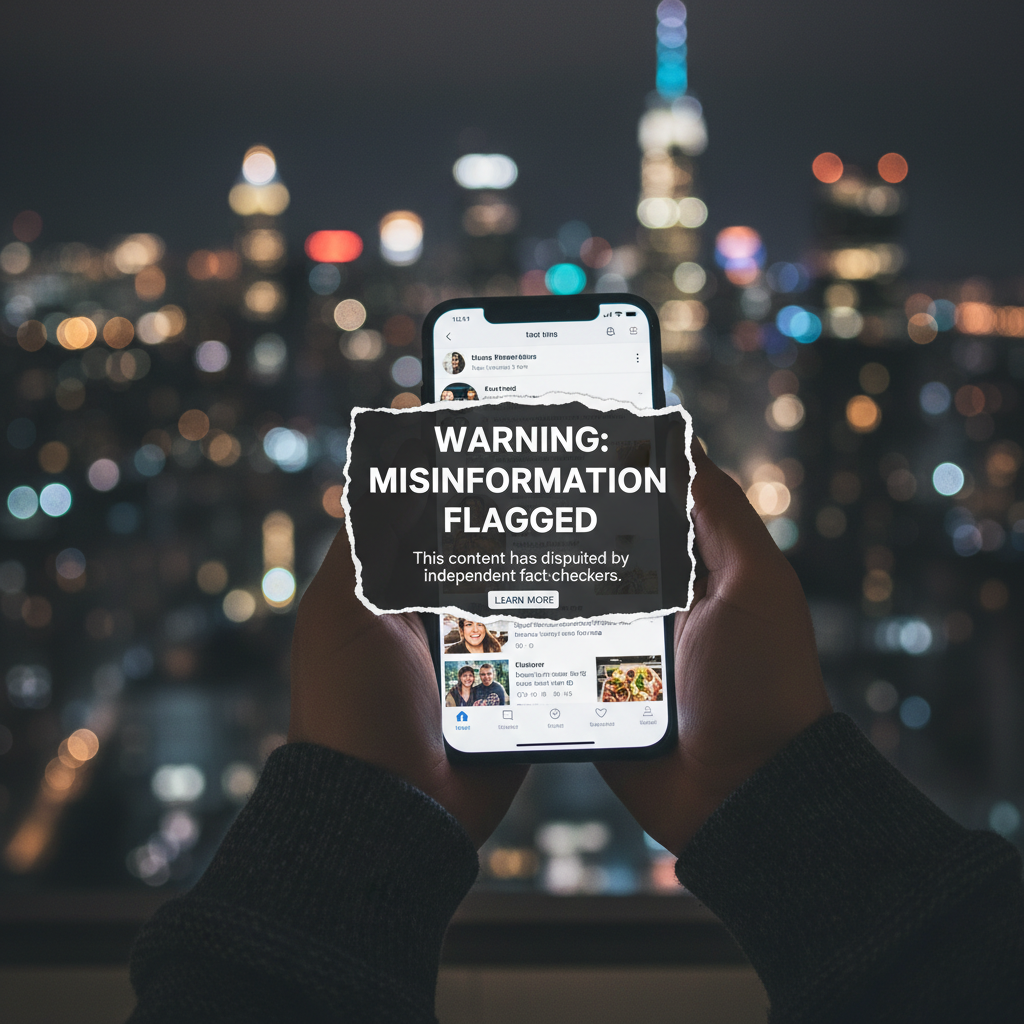
Remember those cigarette packs? The ones with the pictures-and-text warnings that got more and more graphic over the years? You know, the “Smoking Kills” kind of vibe? Well, New York is looking at social media with that exact same lens, which, honestly, is pretty wild when you stop to think about it. We’re talking about putting tobacco-style health warnings right there on your feed, basically telling you, “Hey, this might be bad for you.”
It’s not just some random idea floating around in the ether, either. This is serious talk, bubbling up from state lawmakers who are clearly fed up with what they’re seeing. The whole premise is that social media, particularly for younger folks, has become this pervasive, often addictive, force that’s doing real damage to mental health. And if we put warnings on things like cigarettes or even alcohol, why not on something that, arguably, occupies just as much mental real estate in our daily lives?
The Echoes of Tobacco’s Past-and Why Social Media is Different
You can see the historical parallels, right? Back in the day, tobacco companies basically got away with murder-marketing their products as cool, sophisticated, even healthy! Then the science caught up, the public got wise, and governments stepped in, slapping on those stark warnings, banning ads, and generally making it a lot harder to pretend smoking was anything but dangerous. That’s the playbook New York seems to be eyeing for TikTok, Instagram, and whatever the kids are using these days.
A Generation at Risk?
Here’s where it gets interesting, or maybe, a little scary. The argument isn’t just about general screen time anymore. It’s about the very design of these platforms. Think about it: endless scrolls, algorithmically-driven content that keeps you hooked, notifications designed to pull you back in. It’s all engineered for engagement, which, for a developing brain, can look an awful lot like addiction. And the data, you know, it’s starting to paint a pretty grim picture.
- Point: Studies are increasingly linking heavy social media use to rising rates of anxiety, depression, and even body image issues, especially among teenagers. It’s not just anecdotal anymore.
- Insight: For a long time, we treated social media like a neutral tool, but it’s becoming clear it has profound, often negative, psychological effects, much like other regulated substances.
What Would These Warnings Even Look Like?
So, if this actually happens, what’s it going to mean for your scrolling habits? Are we talking a little pop-up that says, “Warning: May Cause FOMO”? Or something more drastic, like a banner across the top of your feed: “Excessive Use Linked to Mental Distress”? The logistics are a nightmare, frankly, and that’s where the tech giants are probably going to push back, hard.
The Legal and Practical Headaches
This isn’t just a simple sticker on a package. Social media is dynamic, global, and constantly evolving. How do you implement a consistent warning system across different platforms, different types of content, and different user demographics? And who decides what constitutes “excessive” or “harmful” use? It’s a regulatory minefield, to say the least.
- Point: Tech companies will argue free speech, innovation, and the practical impossibility of enforcing such warnings without stifling their platforms.
- Insight: This isn’t just about public health; it’s a monumental clash between government regulation and the powerful, largely unchecked, world of Silicon Valley.
“It’s not about banning social media, it’s about making people aware of the potential harm, just like we do with other products that impact public health. We need to treat this seriously.”
That quote, or something very much like it, is what you’d probably hear from the proponents of these warnings. They’re not trying to shut down Instagram. They’re trying to inject a dose of reality into our digital lives, to make us pause, even for a second, and consider the implications of what we’re doing online.
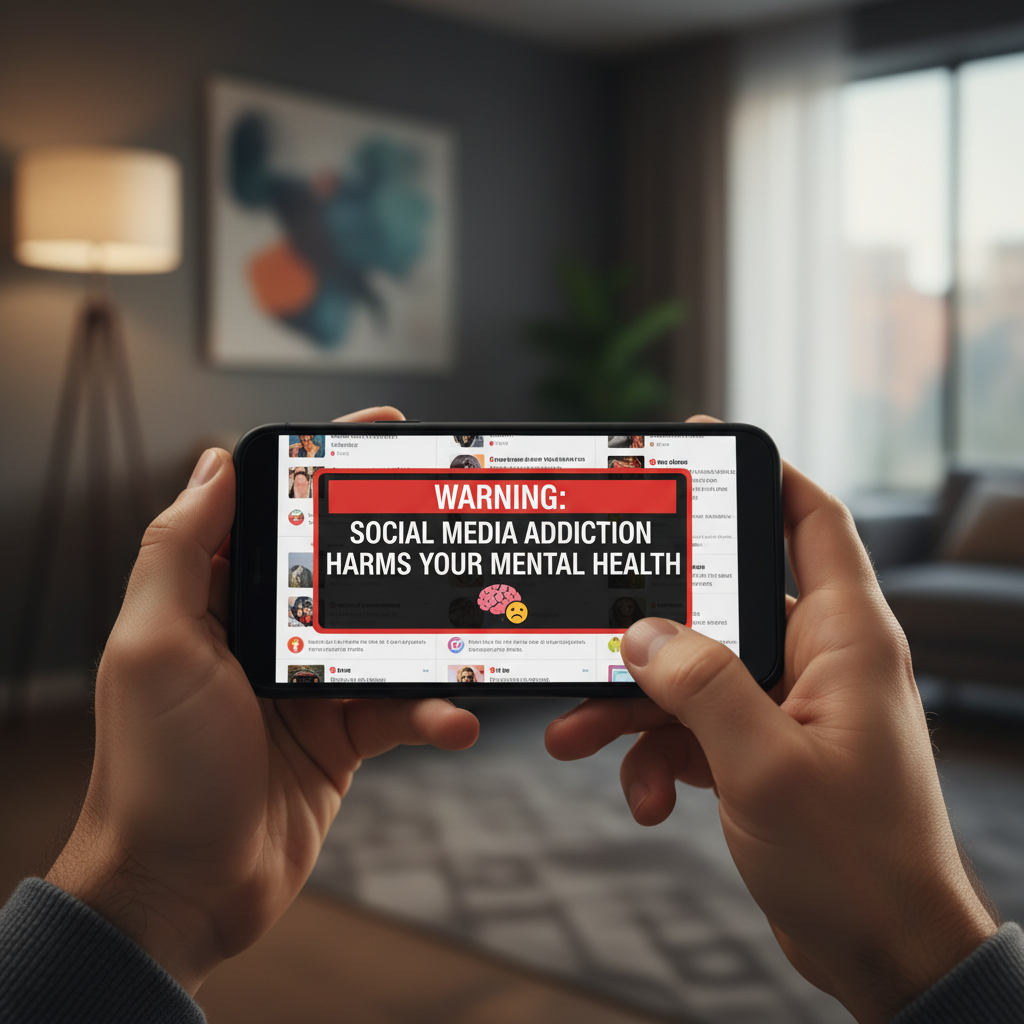
The Bigger Picture-Are We Ready to Regulate the Digital Wild West?
This whole New York initiative, you know, it’s really just another symptom of a much larger shift. For years, the internet, and social media especially, operated under this kind of “move fast and break things” mantra, largely unregulated, a true digital wild west. But society is starting to ask some serious questions about the consequences of that approach.
From data privacy to misinformation, from content moderation to mental health, we’re realizing that these platforms aren’t just benign tools; they’re powerful shapers of culture, politics, and individual well-being. And if we regulate the air we breathe, the food we eat, and the roads we drive on, doesn’t it make sense that we’d eventually start thinking about regulating the digital spaces where we spend so much of our lives?
It’s not going to be easy, that’s for sure. There will be lawsuits, lobbying, and endless debates. But the conversation itself-the idea that social media might need a tobacco-style health warning-is a huge signal. It tells us that we, as a society, are finally waking up to the profound impact of these technologies. We’re starting to ask if the convenience and connection come at too high a price, especially for the youngest among us. And honestly, it’s about time we did.