
The White House just picked a fight with the entire TV news pool, and for once, everybody else in the sandbox is refusing to play along. CNN got booted from covering President Trump’s events after some behind-the-scenes spat over access, and instead of the other networks quietly stepping over the body and moving on with their day, they basically said “nope, not doing this without them.” That’s not how this usually goes. Normally when one outlet gets iced out, everyone else just… continues. Nobody wants to lose their own seat at the table by making noise about somebody else’s.
So What Actually Happened Here
Here’s the thing – the White House press pool has operated on this unspoken rule for decades. A small rotating group of reporters and camera crews cover the president up close, then share that footage and copy with everybody else who couldn’t fit in the room. It’s not glamorous, it’s kind of a grind honestly, but it’s how the public ends up seeing basically anything the president does day to day. CNN got cut out of that arrangement, and instead of the networks shrugging and letting it slide, major outlets – reportedly including some of the biggest names in broadcast and cable – said they’d halt their own pool coverage in protest.
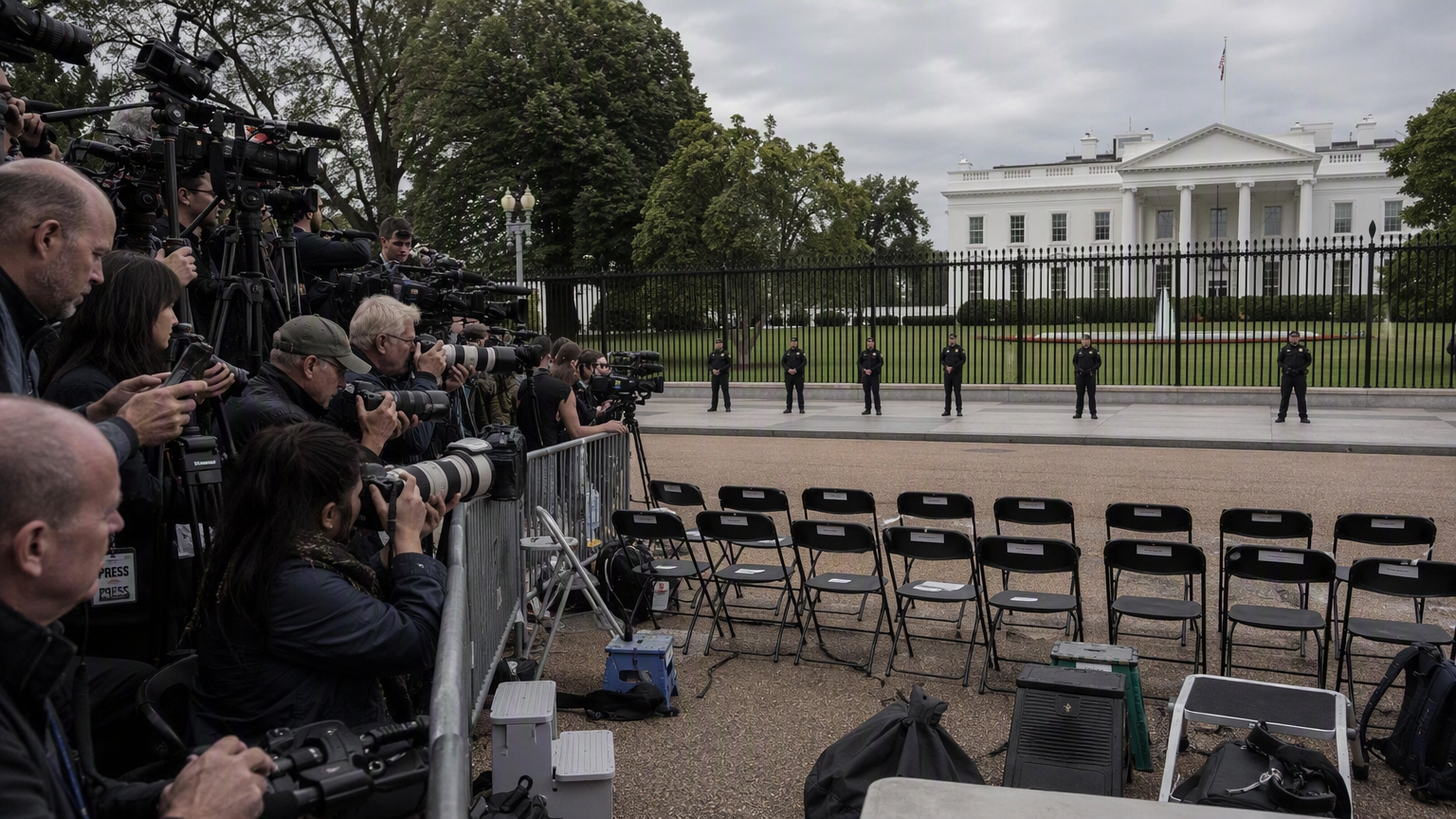
I’ve watched a lot of press-access fights over the years and, not gonna lie, most of them fizzle out fast. Somebody complains, there’s a statement, everyone moves on by Thursday. This one’s different because it’s not just CNN complaining about CNN’s own problem. Other networks are treating it like a shared threat. And maybe that’s because it is one.
Why This Isn’t Just About CNN
The argument these networks are making, from what I can tell, is pretty simple: if the administration can boot one outlet today for coverage it didn’t like, it can boot literally any of them tomorrow. That’s the real fear here. It’s not really about defending CNN specifically – plenty of network execs have plenty of gripes with CNN too, believe me – it’s about defending the principle that access to the president isn’t a reward for good behavior.
Is This Actually About Access, Or Something Else?
Look, I think it’s worth asking the obvious question. Is this really about a technical dispute over pool rotations, or is it about content? Because those are two very different fights, and the coverage I’ve seen has been a little fuzzy on which one we’re actually having.
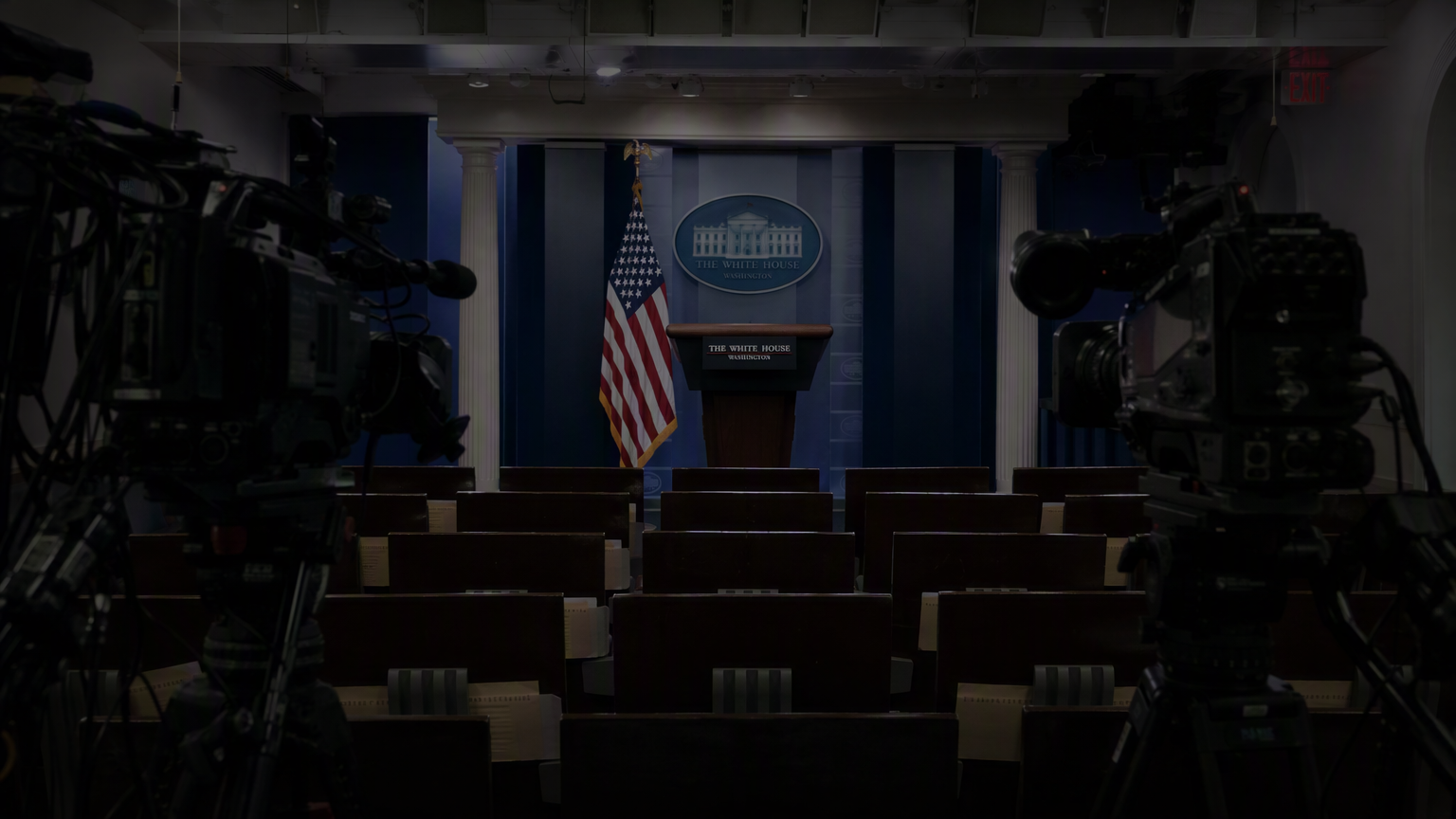
The timing matters too. This didn’t happen in a vacuum – there’s been ongoing friction between this White House and CNN specifically for months, arguments over how stories got framed, disputes over questions asked at briefings, the usual stuff that bubbles under the surface until it doesn’t anymore. So when the ban actually landed, nobody in the press corps was exactly shocked. They’d probably seen this coming for a while.
“When you go after one outlet’s access, you’re not just sending a message to that outlet. You’re sending a message to everybody watching about what happens if they push too hard too.”
That’s basically the sentiment I keep seeing echoed across statements from network heads, even if nobody’s saying it in exactly those words publicly. Which, fair enough – these are companies that still need to work with this White House for the next few years, so nobody’s going full scorched earth here.
The Part Everybody’s Kind of Skipping Over
What’s interesting here is how fast this turned into a collective action problem. Media companies compete viciously with each other. Ratings, ad dollars, scoops – they’re basically at each other’s throats constantly. So getting them to agree on anything, let alone something with real financial and access risk attached, is not a small thing. It tells you something about how seriously they’re taking the precedent.

And I have to admit, this is one of those moments where I think the networks are actually right to be nervous, even if I don’t love every decision CNN’s made editorially over the years (and I really don’t, some of their coverage choices have driven me nuts). This isn’t about liking CNN. It’s about whether press access becomes a lever the White House can pull whenever coverage gets unflattering. Once that door’s open, it doesn’t really close again.
There’s also a business angle nobody’s talking about enough. Pool coverage is expensive to produce and cheap to share – that’s literally the point of the system, splitting costs so five networks don’t need five separate camera crews trailing the president everywhere. If this arrangement breaks down permanently, every network’s going to have to spend more just to get the same access they used to get for free through cooperation. That’s a real cost, not just a symbolic one.
What The White House Is Saying
Unsurprisingly, the administration’s framing is completely different. Officials have suggested CNN’s coverage crossed some line – though what exactly that line was seems to depend on who you ask and which day you’re asking. Some officials point to specific segments, others just gesture vaguely at “bias,” which, sure, everyone always says that about coverage they don’t like. It’s the go-to explanation and it explains basically nothing specific.
What This Actually Means
I don’t think this ends with CNN quietly getting reinstated and everyone moving on like nothing happened, though it’s not entirely clear yet how it plays out. These fights tend to either escalate or become the new normal, and rarely just evaporate. If other networks keep holding the line together, that’s a pretty significant check on what any administration can do with press access going forward. If they crack – and let’s be honest, business pressures make cracking pretty tempting over time – then this was just a moment, not a turning point.
Either way, this is bigger than one network’s beef with one White House. It’s a test of whether the press corps actually functions as a corps when it matters, or whether that’s just a nice word we use until the pressure gets real. We’re about to find out which one it is.