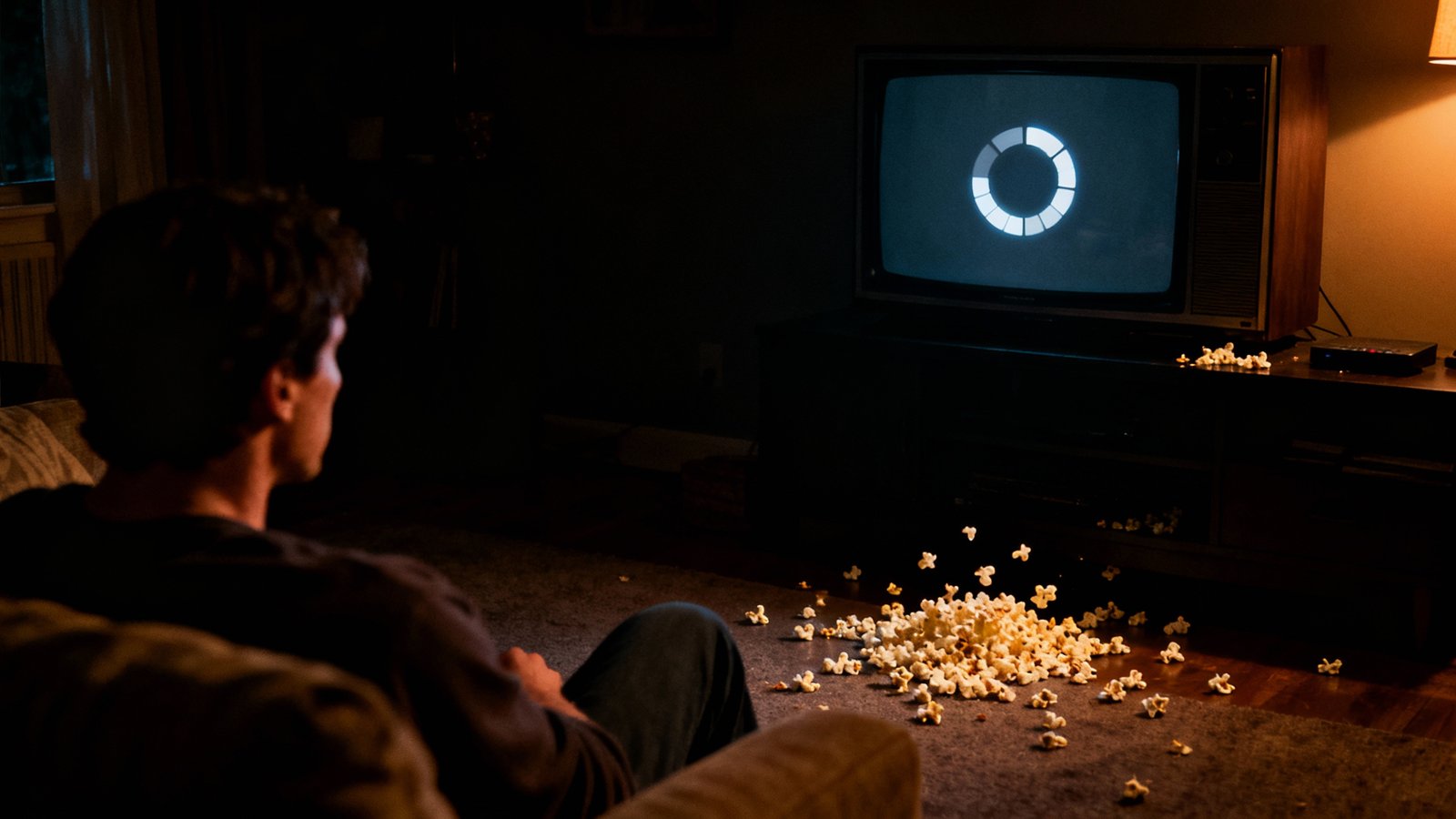
You know that feeling when you’ve been waiting months for your favorite show to drop, you’ve cleared your schedule, got the snacks ready, and then – nothing. The screen just spins. Or freezes. Or throws you some cryptic error message that might as well be in ancient Greek.
That’s exactly what happened to countless Netflix subscribers the moment the latest season of Stranger Things hit the platform. And honestly? It’s become almost tradition at this point.
The streaming giant experienced significant outages right as fans were frantically clicking to binge the newest episodes. Because apparently, even a multi-billion dollar tech company can’t quite figure out how to handle everyone wanting to watch the same thing at the same time. Which, when you think about it, is literally their entire business model.
When Everyone Shows Up to the Party at Once
Here’s the thing about streaming services – they’re basically giant computers trying to send video to millions of people simultaneously. And when a show as massive as Stranger Things drops, it’s not like a few thousand people trickling in over the course of a week. It’s more like a stampede.
The outages started within minutes of the premiere. Users across social media (because where else do you go when your streaming service dies?) reported everything from complete inability to load the app to videos that would start, buffer for eternity, and then just give up. Some folks couldn’t even log in. Others got partway through an episode before Netflix basically said “nah, that’s enough for you.”
The Technical Reality Nobody Wants to Hear
Look, Netflix isn’t some scrappy startup running servers out of someone’s garage. They’ve got infrastructure that would make most tech companies weep with envy. They use Amazon Web Services, they’ve got content delivery networks scattered across the globe, and they’ve been doing this for years now.
But even with all that firepower, there’s apparently still a breaking point. And that breaking point seems to be “literally everyone trying to watch Stranger Things at 3am EST” (or whatever ungodly hour it actually dropped – Netflix loves their midnight Pacific releases).
What’s fascinating is that this isn’t even Netflix’s first rodeo with major releases. They’ve dealt with huge drops before. Squid Game. The Crown. Bridgerton. You’d think by now they’d have figured out the capacity planning thing. Or maybe – and here’s a wild thought – the demand for Stranger Things is just that insane.
Social Media Had Thoughts (Obviously)
The internet, being the internet, had an absolute field day with the outage. Twitter lit up with people sharing screenshots of error messages, making jokes about Netflix’s servers being stuck in the Upside Down, and generally commiserating over their shared disappointment.
Some users reported waiting 20, 30, even 45 minutes before they could actually start streaming. Which doesn’t sound like much until you remember these are people who’ve been counting down the hours. The anticipation was real, and so was the frustration.
The Geography of Buffering
Interestingly enough, the outages weren’t universal. Some regions got hit harder than others. Reports came in heavily from the East Coast of the US, parts of Europe, and scattered areas across Asia. West Coast viewers seemed to have slightly better luck, though that might just be because fewer people were awake at midnight on a weeknight.
- Peak Impact Zones: Major metropolitan areas took the brunt of it – New York, London, Tokyo. Makes sense when you’ve got millions of subscribers in dense geographic clusters all hammering the same servers.
- Duration: Most users reported issues lasting anywhere from 15 minutes to over an hour, which in streaming time feels like an eternity.
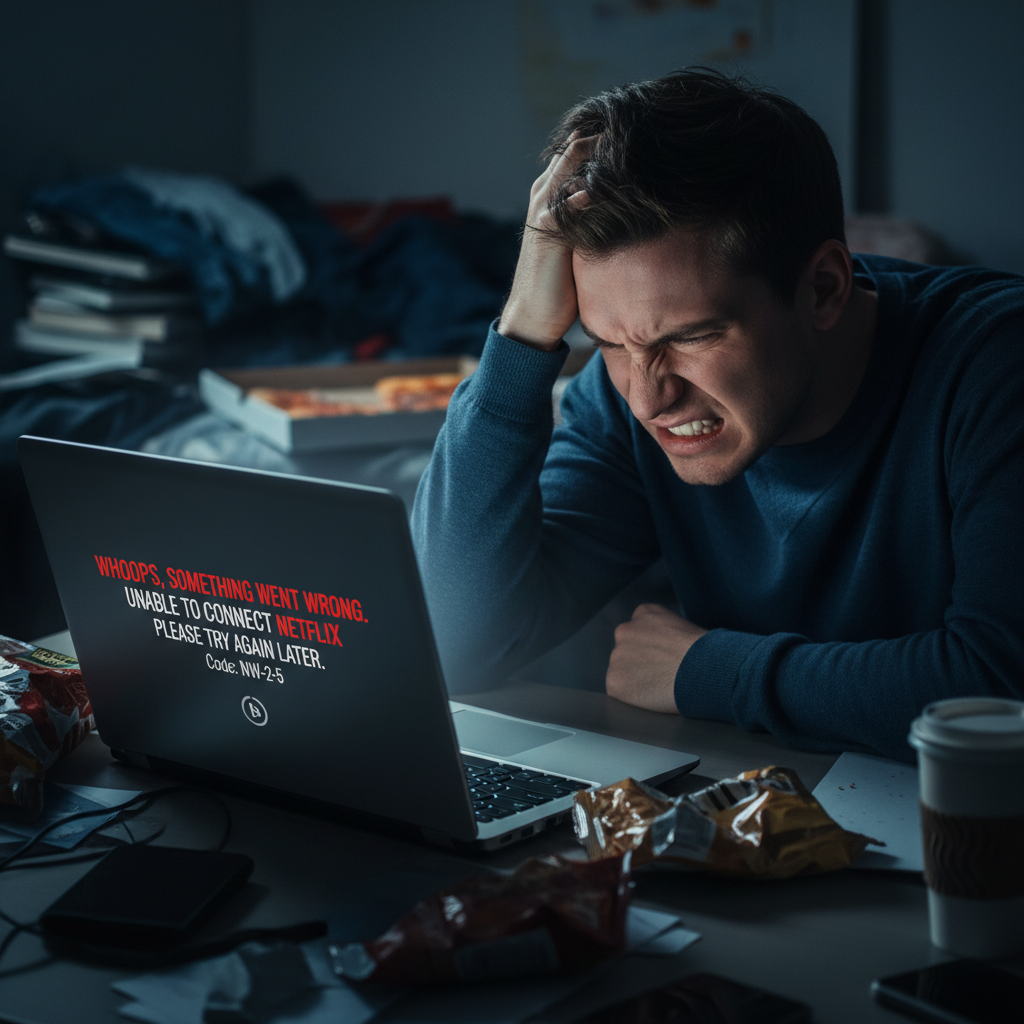
- Error Varieties: People got everything from the classic “Netflix has encountered an error” to more exotic messages about content not being available in their region (even though it definitely was).
Why This Keeps Happening
You might think Netflix would just, you know, add more servers before a massive release. Build in redundancy. Prepare for the onslaught. And they probably do, to some extent. But here’s where it gets tricky.
Server capacity costs money. Like, a lot of money. And for most of the year, Netflix doesn’t need the kind of infrastructure that could handle literally millions of people simultaneously starting the same show at the same second. That’s a very specific, very temporary problem. Building permanent infrastructure to handle those peak moments means paying for massive overcapacity the other 99% of the time.
It’s kind of like building a restaurant that can seat 5,000 people because once a year you might have a really busy night. The rest of the time, you’re just heating and maintaining this enormous space for no reason.
The Cost-Benefit Analysis Nobody Talks About
From Netflix’s perspective, is it worth spending millions (possibly tens of millions) on additional infrastructure just to prevent some frustrated tweets and temporary buffering during major releases? The people who couldn’t watch immediately didn’t cancel their subscriptions. They didn’t storm Netflix headquarters with pitchforks. They mostly just… waited a bit and tried again.
Which suggests that maybe – and this is purely speculation – Netflix has done the math and decided that occasional outages during major releases are actually cheaper than preventing them entirely. The PR hit is relatively minor, the actual viewer impact is temporary, and the cost savings are substantial.
Cynical? Maybe. But also probably true.
What Actually Happened Behind the Scenes
Netflix, to their credit (I guess?), did acknowledge the issues relatively quickly. Their engineering teams were apparently working on it, doing whatever it is that streaming engineers do when everything’s on fire. Rerouting traffic, spinning up additional servers, sacrificing keyboards to the algorithm gods – the usual.
The company released a fairly standard statement about “some users experiencing streaming issues” and working to resolve them quickly. Which, translated from corporate speak, means “yeah, we know, we’re on it, please stop yelling at us on Twitter.”
By most accounts, things stabilized within an hour or two. Not ideal, but also not the apocalypse some people made it out to be. Though if you were one of the folks stuck staring at a loading screen while everyone else was already posting spoilers, it probably felt pretty apocalyptic.
The Bigger Picture on Streaming Reliability
This isn’t just a Netflix problem, by the way. Disney+ crashed when The Mandalorian premiered. HBO Max had issues with major releases. Amazon Prime Video isn’t immune either. Basically, if enough people want to watch something at exactly the same moment, the internet tends to get cranky about it.
The question is whether streaming services will ever actually solve this, or if we’ve just collectively accepted that major releases come with a side of technical difficulties. Because at this point, it’s almost part of the experience. The anticipation, the countdown, the collective groan when nothing loads, the frantic refreshing, and finally – success .
“It’s 2024 and we still can’t all watch the same show at the same time without breaking the internet. That’s either hilarious or depressing, depending on your perspective.”
For what it’s worth, Netflix’s infrastructure is genuinely impressive most of the time. They handle billions of viewing hours every month without major incidents. It’s just these specific, predictable surge moments that seem to break things. Which makes you wonder – if they know it’s coming, why can’t they prevent it?
The answer probably comes down to economics and acceptable risk. A few hours of degraded service during a premiere, while annoying, doesn’t fundamentally damage the business. Users complain, memes get made, and then everyone moves on. Building infrastructure to completely eliminate these issues would cost more than the problems themselves cost in lost goodwill.
So next time a highly anticipated show drops on Netflix (or any streaming service, really), maybe set your expectations accordingly. Have a backup plan. Download some episodes in advance if you can. Or just embrace the chaos and join everyone else in complaining about it on social media while you wait.
Because at this rate, streaming outages during major releases aren’t a bug – they’re a feature. An annoying, frustrating, completely avoidable feature that we’ve all just sort of learned to live with. Welcome to the future of entertainment, where the shows are amazing but actually watching them requires patience, persistence, and probably a few angry tweets.