
Okay, so, Natalie Wood. The name itself just evokes a certain era, doesn’t it? Old Hollywood glamour, incredible talent, and then- this deeply unsettling mystery. For 44 years now, people have been scratching their heads, whispering theories, and wondering what really happened that fateful night in November 1981. It’s one of those cases that just won’t fade away, you know? Like the Black Dahlia or Jimmy Hoffa- the kind of story that lodges in the collective consciousness.
I mean, here’s a woman, Natalie Wood, one of the biggest stars of her time, a real screen legend, and she ends up dead off the coast of Catalina Island. Drowned. From a yacht. With her husband and another famous actor on board. It’s a storyline straight out of a noir film, honestly, except it’s devastatingly real. And the details, or lack thereof, have gnawed at us all. A slipped step? A tragic accident? Or something far, far darker? The official ruling kept shifting, which certainly didn’t help matters. First accidental drowning, then “undetermined”- talk about keeping us on our toes. It paints a picture, doesn’t it, of just how complicated, and frankly, sloppy, these things can get.
The Fateful Voyage: What We Know, Or Think We Know
Let’s set the scene: Thanksgiving weekend, 1981. Natalie Wood, her husband Robert Wagner, and their friend, actor Christopher Walken, are on Wagner’s yacht, the called Splendour. They’d apparently had a good dinner, a few drinks- maybe more than a few. The stories vary a bit here but the core elements are pretty consistent. The boat was anchored off Catalina. Early the next morning, Natalie was gone. Her body was found about a mile away from the yacht. It’s all so chilling when you visualize it.
The Shifting Sides of the Story
Now, you might think, with three famous people present, the story would be airtight, right? Nope. Far from it. Wagner and Walken reportedly had a bit of a row. Some say it was about Natalie’s career, her decision to focus on acting more. Others suggest it was more general tension. The critical point is, Natalie leaves the main cabin, goes to bed, and that’s the last time anyone admits to seeing her alive. No splash, no cries for help, nothing. Or so they said initially. That’s the part that always stuck in my craw. A boat full of people and no one hears someone fall overboard?
- Initial Report: Robert Wagner and Christopher Walken told investigators Natalie must have fallen trying to re-tie a dinghy that was banging against the hull. An accident, plain and simple.
- The Watchman’s Account: Interestingly, the yacht’s captain, Dennis Davern, later changed his story pretty dramatically, claiming jealousy and a fight between Wagner and Wood, and alleging Wagner prevented him from searching for Natalie. This is where things really started to get murky, you know?
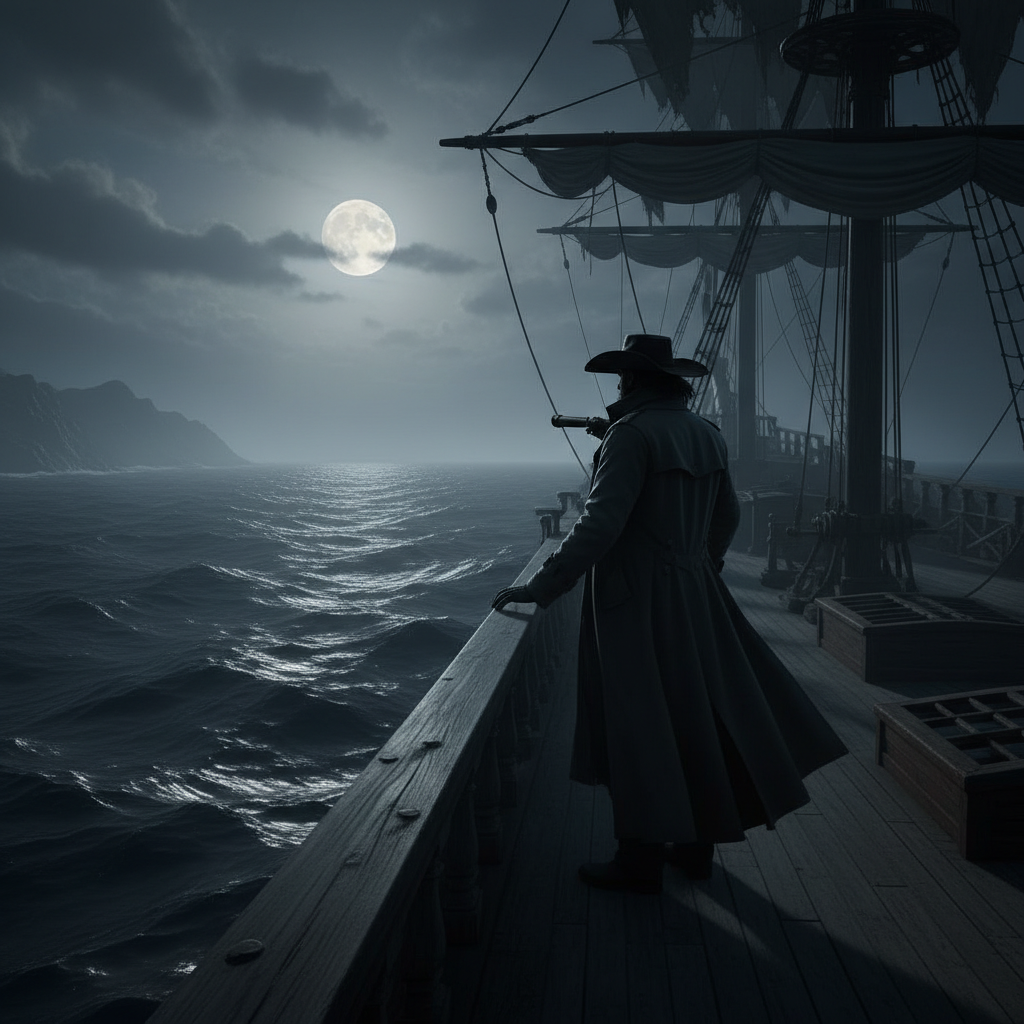
This is where it gets interesting, because Davern’s revised account directly contradicted the official line for years. He even wrote a book about it. For decades, it was basically accepted as a tragic accident, but then this new information, or rather, this re-evaluated information, surfaced and completely shifted the conversation. It makes you wonder, doesn’t it, how many other “accidents” have details brushed under the rug that later come to light?
“What happened that night? It’s like everyone involved had a different script.”
The Unpicked Scabs: Reopening the Case
Fast forward a few decades and the Los Angeles County Sheriff’s Department reopened the case in 2011, largely, it seems, thanks to Davern’s persistent testimony and mounting public pressure. The coroner’s office followed suit, changing the cause of death from “accidental drowning” to “drowning and other undetermined factors.” That’s a huge shift, a subtle but significant admission that something just wasn’t adding up in the original investigation. It essentially said, ‘We’re not entirely sure, and the ‘accident’ label doesn’t quite fit anymore.’
Bruises and What They Might Mean
The revised coroner’s report specifically noted that Wood had bruises on her body, including her face and arms. These injuries, it stated, could have been sustained before she entered the water. Now, think about that for a second. If it was purely an accidental fall while trying to secure a dinghy, where do those bruises come from? They become a lot harder to explain away, don’t they? This immediately fueled speculation- and suspicion- that there might have been a struggle, or something more forceful at play, before she ended up in the ocean. It was a complete game-changer for how people viewed the story.
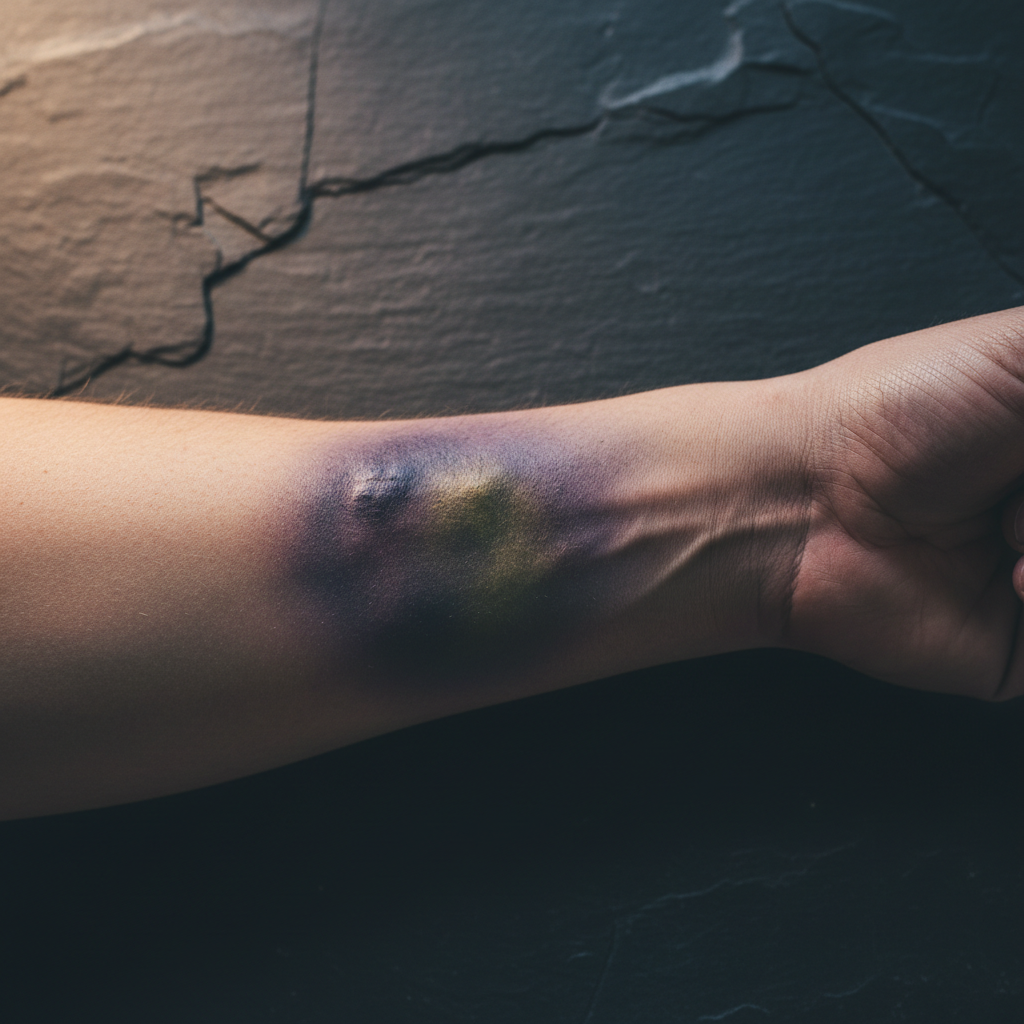
The presence of these bruises, coupled with Davern’s testimony, led investigators to focus more intensely on Robert Wagner. He quickly became a “person of interest,” a term that essentially means ‘we’re looking at you very, very closely.’ Wagner has always maintained his innocence, of course, telling his side of the story in his memoir and interviews, where he described the night as a blur of alcohol and confusion. But the legal focus, at least for a time, zeroed in on him, which is a pretty powerful statement from law enforcement.

The Unspoken Answers: Why No Resolution?
Despite all the renewed attention, the shifting coroner’s report, and the designation of a person of interest, the case has remained- officially at least- unsolved. No charges have ever been filed. This is the frustrating part for so many who follow these cold cases. If there’s so much doubt, so many questions, and even a “person of interest,” then why no arrest? It’s not like this is some random, everyday person; this is the husband of a Hollywood icon. The resources are there, the public interest is certainly there, so what gives?
The Challenge of Time and Testimony
Well, honestly, it comes down to evidence, or rather, the lack of concrete, provable evidence. Think about it: a boat, the open sea, alcohol involved, and over 30 years passing between the incident and the serious re-investigation. Memories fade or become muddled. Physical evidence, if it ever existed, is long gone. Testimonies, like Davern’s, are crucial but can be undermined by their delayed appearance or perceived motives. It’s an investigator’s nightmare, trying to piece together a puzzle from so many missing fragments. And without that definitive smoking gun, prosecutors just can’t move forward, no matter how much the public wants answers.
- Time Erosion: Witnesses often contradict themselves over time- it’s human nature, really. Especially with something so traumatic and shrouded in alcohol.
- Lack of Witnesses: Only three people plus the captain were on board. They’re all either dead (Natalie Wood) or have given varying and sometimes conflicting accounts. It’s a closed circle, which makes it incredibly difficult to break.
So, have we solved the 44-year mystery? Probably not in the way many would hope- with a definitive trial, a clear perpetrator, and a solid resolution. The official stance is still “undetermined,” which is sort of a non-answer, isn’t it? It basically means, ‘we don’t know for sure, and we can’t prove anything further.’ But what we have gained is a much clearer, albeit still murky, picture of that night. We know it wasn’t just a simple slip, a clumsy accident. There were complications, arguments, perhaps even violence, that led to Natalie Wood being in the water.
It sounds cliché, but the truth, in this case, feels less like a sudden revelation and more like a slowly developing photograph, still a bit fuzzy around the edges, never quite coming into perfect focus. We have probabilities, very strong suspicions, and compelling (if not legally prosecuting) narratives. And that, I guess, is where the story remains- forever etched in Hollywood lore, a beautiful star taken too soon, leaving behind a legacy of iconic films and an enduring, heartbreaking question mark. Will we ever truly know? Maybe not in the way the law requires, but for many of us, the pieces kind of- sort of- fit together now, even if they’re not locked in place.