
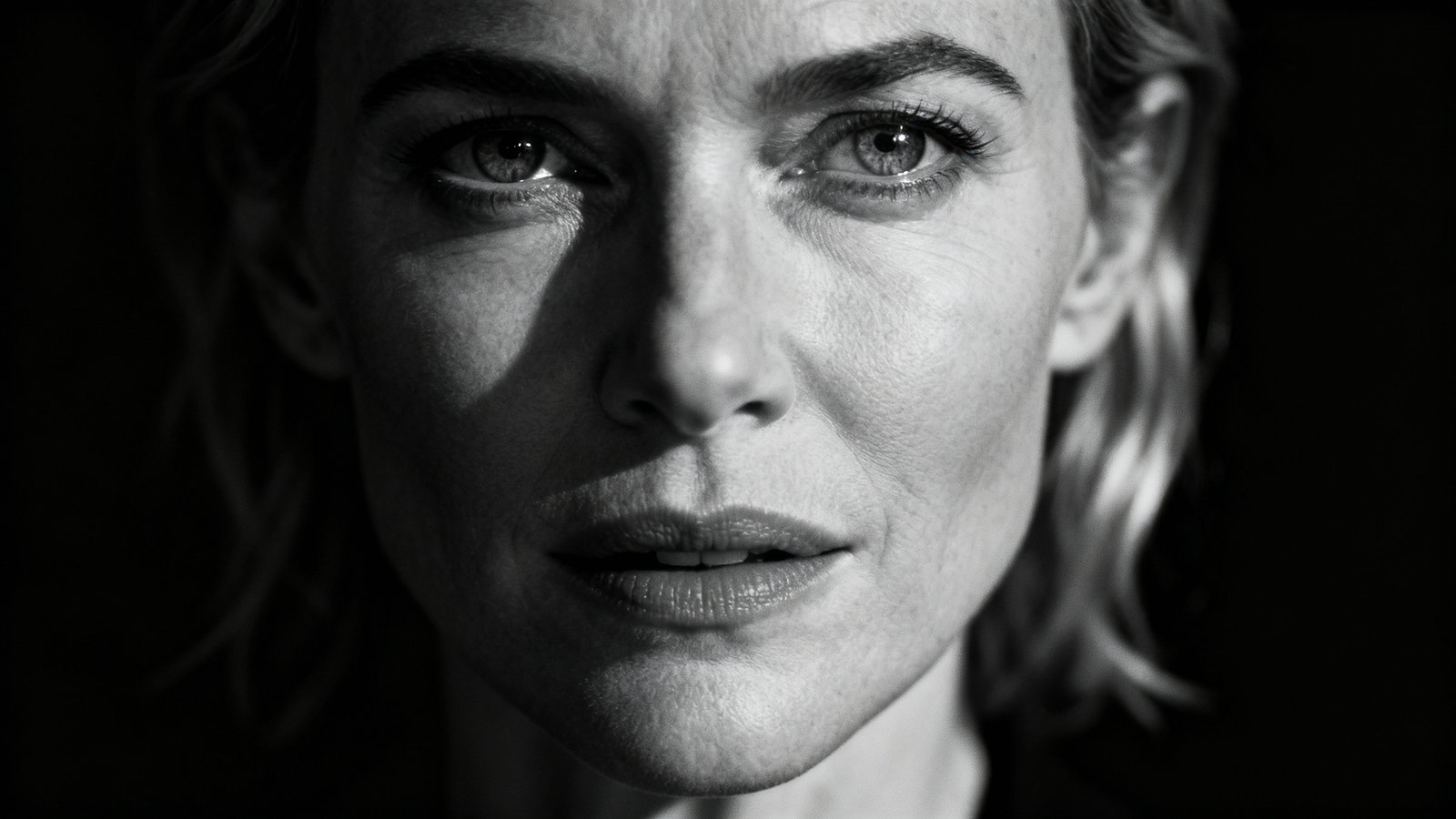
Okay, so Naomi Watts. You know her, right? Incredible actress, always seems so poised. But here’s the thing, she’s also become this total force for menopause awareness, which, let’s be real, is just so needed. And she just dropped this tidbit about menopause and your EYES. Like, what? Nobody told me this. And if I’m being honest, it kind of ticks me off that it’s still a “secret.”
The Eyes Have It (But No One’s Talking)
So, People magazine ran this piece, an exclusive with Watts, where she’s talking about a symptom that a lot of women apparently face during perimenopause and menopause: dry, itchy, sometimes blurry eyes. And she’s not just saying “oh, my eyes are dry.” She’s talking about how she basically thought she was losing her vision, you know? Like, it was a real, genuinely scary thing for her. And she went to doctors, and they’re like, “Yep, that’s menopause for ya.”
I mean, come on. We talk about hot flashes, night sweats, the mood swings (oh, the mood swings). We even get into the bone density stuff, which is important, don’t get me wrong. But dry eyes? Blurry vision? The idea that your actual eyesight can be messed with because your hormones are doing a vanishing act? This was big. Really big. And for Watts to come out and just lay it all out there, like, “Hey, this happened to me, and it’s a thing,” that’s what we need. It’s validation for so many women who are probably just squinting at their screens, thinking they need new glasses, when really, it’s their estrogen taking a vacation.
It’s Not Just a Little Irritation
And it’s not just a minor irritation, from what I can tell. Watts described it as “alarming.” She said it felt like she “couldn’t see properly.” Imagine that. You’re trying to work, drive, read a book, and suddenly your vision is just… off. And no one, absolutely no one, in your life or even in your doctor’s office, connects it to menopause. That’s a huge blind spot, pun intended, in women’s health education. Estrogen, it turns out, plays a pretty crucial role in keeping your eyes lubricated and healthy. When it dips, everything goes a bit haywire, including your tear production. Who knew, right? Well, apparently Naomi Watts and a few ophthalmologists now know, and thank god they’re finally yelling about it.
So, Why the Silence, Huh?
This whole thing just makes you wonder, doesn’t it? Why are so many common, sometimes debilitating, symptoms of menopause still whispered about, if they’re mentioned at all? Is it because it’s a “woman’s problem”? Is it because it involves aging, which society seems determined to pretend doesn’t happen to women? It’s probably a bit of all of that, plus a hefty dose of “just suck it up, buttercup” mentality that women have been fed for generations.
“It’s like we’re expected to just magically know all this stuff, or suffer in silence. It’s ridiculous, honestly.”
I mean, look, I’ve seen this pattern before. Women’s pain, women’s unique health challenges- they’re often dismissed, minimized, or just completely ignored until someone famous or incredibly persistent kicks up enough fuss. Watts isn’t just an actress, she’s also the co-founder of Stripes, a wellness brand focused on menopause. So she’s got skin in the game, she’s committed, and she’s using her platform for good. That’s pretty damn powerful, if you ask me. She’s basically saying, “Hey, doctors, pay attention. And women, you’re not crazy.”
The Real Deal About Visibility
What Naomi Watts is doing here is more than just talking about dry eyes. It’s about tearing down this wall of silence that’s surrounded menopause for way too long. It’s about normalizing a completely natural, universal experience for half the population. And when someone with her profile talks about something so specific and personal- like thinking you’re losing your sight because of menopause- it gives permission for countless other women to finally say, “Me too! That’s what I’m going through!”
It’s not just about getting solutions for dry eyes (though that’s obviously important). It’s about recognition. It’s about demanding that medical professionals get better training. It’s about convincing society that menopause isn’t some embarrassing secret to be hidden away, but a phase of life that deserves understanding, support, and proper care. We wouldn’t expect men to just “deal” with prostate issues in silence, would we? So why are women expected to just grin and bear it through a decade or more of symptoms, many of which can be managed?
What This Actually Means
Here’s what you need to know: if your eyes are feeling weird, dry, gritty, blurry, and you’re in your 40s or 50s- or even earlier, because perimenopause can start in your late 30s for some- consider menopause as a possible culprit. Talk to your doctor, specifically asking about hormonal changes. Don’t just accept a quick prescription for eye drops without exploring the bigger picture. And frankly, if your doctor dismisses you, find a new one. We’ve got to stop letting ourselves be sidelined when it comes to our own health.
Naomi Watts is basically throwing a grenade into the outdated narrative around menopause, one symptom at a time. And frankly, it’s about time. Let’s make sure this isn’t just a moment, but a real, lasting shift in how we talk about, and treat, women’s health. Because honestly, we deserve better than to stumble around blindly, literally and figuratively, through a huge chunk of our lives.