Okay, so imagine this: The market closes, and the Moroccan All Shares index just pops up 0.83%. Not a huge, earth-shattering leap, but definitely a respectable nudge upward, especially when you consider… well, everything these days. It’s like finding a twenty-dollar bill in an old coat pocket-not life-changing rich, but certainly a nice surprise that makes you think, “Hey, what’s going on here?”
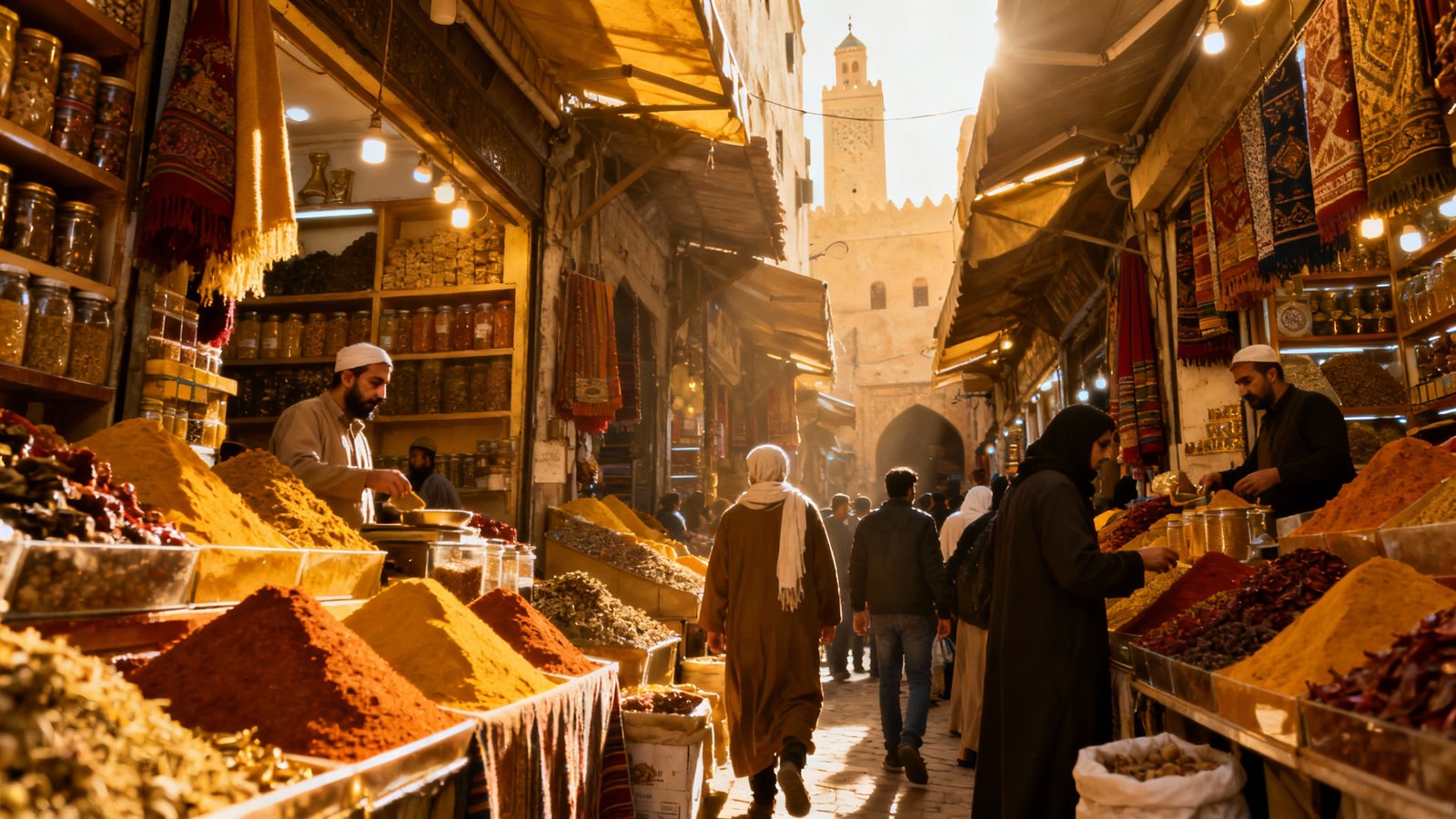
You see, while some markets are kind of sputtering along, Morocco’s stock exchange-the Casablanca Bourse, for those in the know-seems to be finding its groove. Or, at least, it did that particular day, with a collection of its top performers giving it that gentle but firm push. It wasn’t just a random blip, you know? There were some real sector-specific drivers at play, showing that under the surface, there’s quite a bit of interesting movement happening in this North African economic hub.
It makes you wonder, doesn’t it? What confluence of factors gives a market that kind of confident lift? It’s never just one thing, is it? It’s always a bit of a cocktail, a mix of investor sentiment, corporate performance, and maybe-just maybe-a little bit of that magic ingredient economists love to talk about: optimism.
The Movers and Shakers Behind the Shine
Now, you might think a market rally is just… a market rally. But dig a little deeper, and you find the granular stories, the specific companies and sectors that really pull their weight. In this instance, it was largely the Food Producers, Industrial Production, and Real Estate sectors doing a lot of the heavy lifting. Which, honestly, isn’t totally shocking. Food security and industrial output are pretty fundamental, right? And real estate, well, that’s often a good barometer of local confidence in the economy. It’s like the bedrock stuff, the essentials, that are showing strength.
What’s Cooking in Food Production?
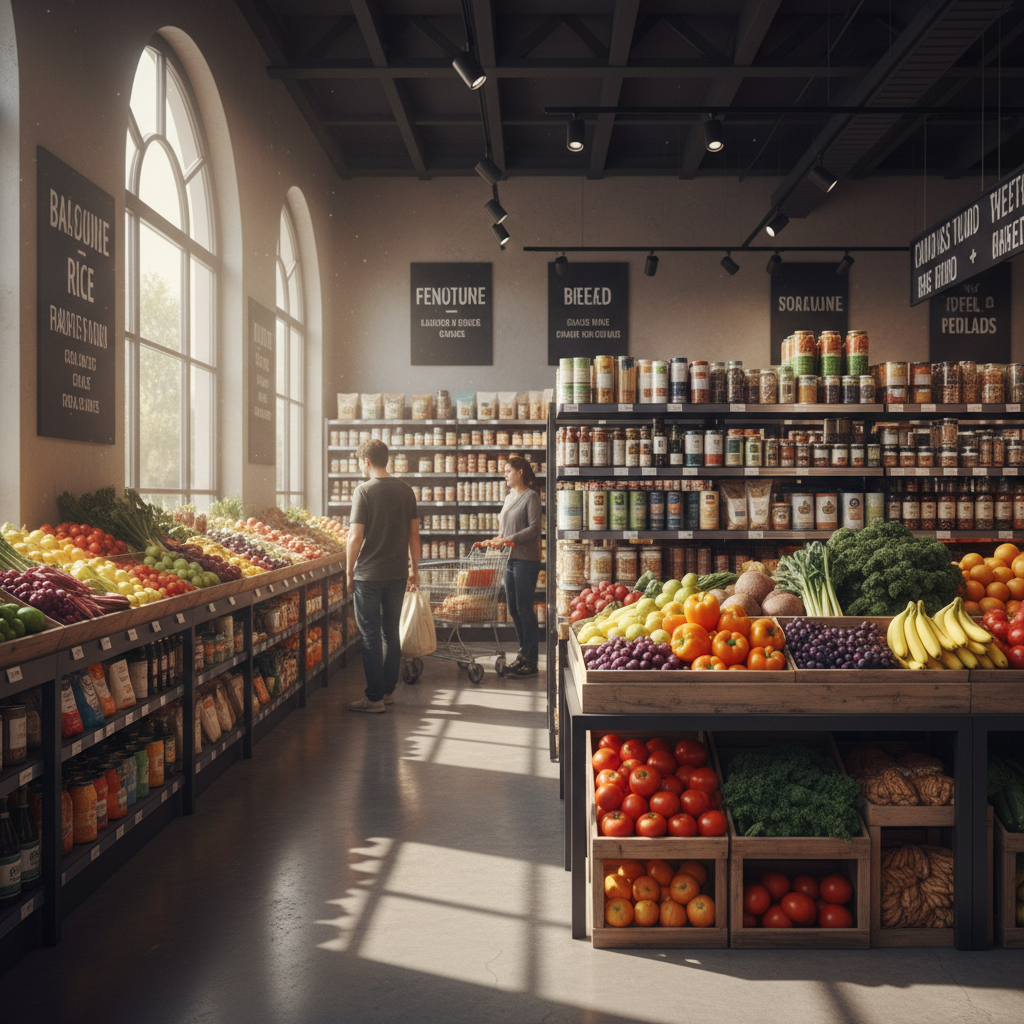
So, the food producers. This is kind of fascinating because it points to something really basic-people gotta eat! But it’s more than that. Morocco has been investing heavily in agriculture, trying to boost its self-sufficiency and even become a regional exporter. So, when companies like Dari Couspate and Lesieur Cristal see their shares climbing, it’s not just about a good harvest. It suggests a certain resilience, a consistent demand, and maybe even a growing market share for these domestic companies. It’s a nice little nod to economic stability, in my book.
- Point: Dari Couspate popped up 5.92%, a noticeable jump.
- Insight: This indicates strong consumer demand or increased production efficiency, hinting at a solid domestic market base for basic goods.
- Point: Lesieur Cristal wasn’t far behind, gaining 4.09%.
- Insight: Again, staples reign supreme. It’s the kind of sector that often performs well even when other, more speculative areas might be struggling. People always need groceries, right?
Manufacturing Mojo and Property Prowess
Then you’ve got Industrial Production. This is where the rubber meets the road, literally, in some cases. When companies like Stroc Industrie jump by 9.97%-almost ten percent!-you can’t just ignore that. It speaks to actual manufacturing output, investment in infrastructure, and basically, things getting built and produced. It’s the kind of growth that feels tangible, if you know what I mean. Not just abstract financial wizardry.
And Real Estate? Well, that’s almost always a story of confidence. Folks don’t typically invest in property unless they’re feeling pretty good about the future. Res Dar Saada, for example, put in a solid performance. That kind of movement often suggests either growing demand for housing or commercial spaces, or maybe even fresh foreign investment trickling in. Or perhaps, and this is just my two cents, a return of that post-pandemic “let’s finally get that house” energy.
“When the foundational sectors like food, industry, and real estate are showing upward momentum, it’s often a clearer sign of underlying economic health than a speculative tech boom might be.”
The Flip Side: What Held Back Further Gains?
Now, not everything was sunshine and rainbows, because that’s just how markets are, right? There are always some drag factors. The Utilities, Software & IT Services, and Forestry & Paper sectors actually dipped a bit. It wasn’t a huge slide, but enough to temper the overall gains. Utilities, in particular, can be tricky-they’re often seen as stable, but can be sensitive to government policies or infrastructure spending cycles. And IT? Well, even the fastest-growing sectors have their off days, don’t they?
A Look at the Laggards
Consider Afriquia Gaz, which dropped 2.05%. Gas prices are volatile, obviously, and local regulations or even global energy trends could play a massive role there. It’s not a direct indictment of the company’s performance as much as it is a reflection of a super dynamic market. Sometimes, you’re just kind of riding the energy rollercoaster.
Then you have Nexans Maroc, down 2.00%. They’re in the cables business, so again, somewhat tied to industrial and infrastructure development. A slight dip there could signal a temporary slowdown in certain projects, or maybe just some profit-taking after previous gains. It’s rarely a disaster, just a bit of a breather.
The Bigger Picture: What Does it All Mean?
So, what’s the takeaway from Morocco’s 0.83% bump? It’s not just a number, is it? It’s a snapshot, a glimpse into an economy that, despite global headwinds, seems to be finding its feet in crucial, foundational areas. The resilience in food production and industrial output, coupled with hints of confidence in real estate, paints a picture of a market that’s building from the ground up, rather than relying on speculative bubbles. It’s a sort of steady-as-she-goes approach, which, frankly, feels pretty good in these unpredictable times.
The fact that the overall index managed to climb despite some sectors pulling it downwards speaks volumes. It really highlights the depth and diversity of the Moroccan exchange. And it makes you wonder what else is bubbling under the surface, doesn’t it? As the global economic landscape continues to shift, sometimes it’s these less-talked-about markets that offer the most intriguing stories, the most genuine growth. It’s less about flashy headlines and more about the fundamental gears of the economy turning, day by day, making those subtle but meaningful gains. Something to keep an eye on, for sure.