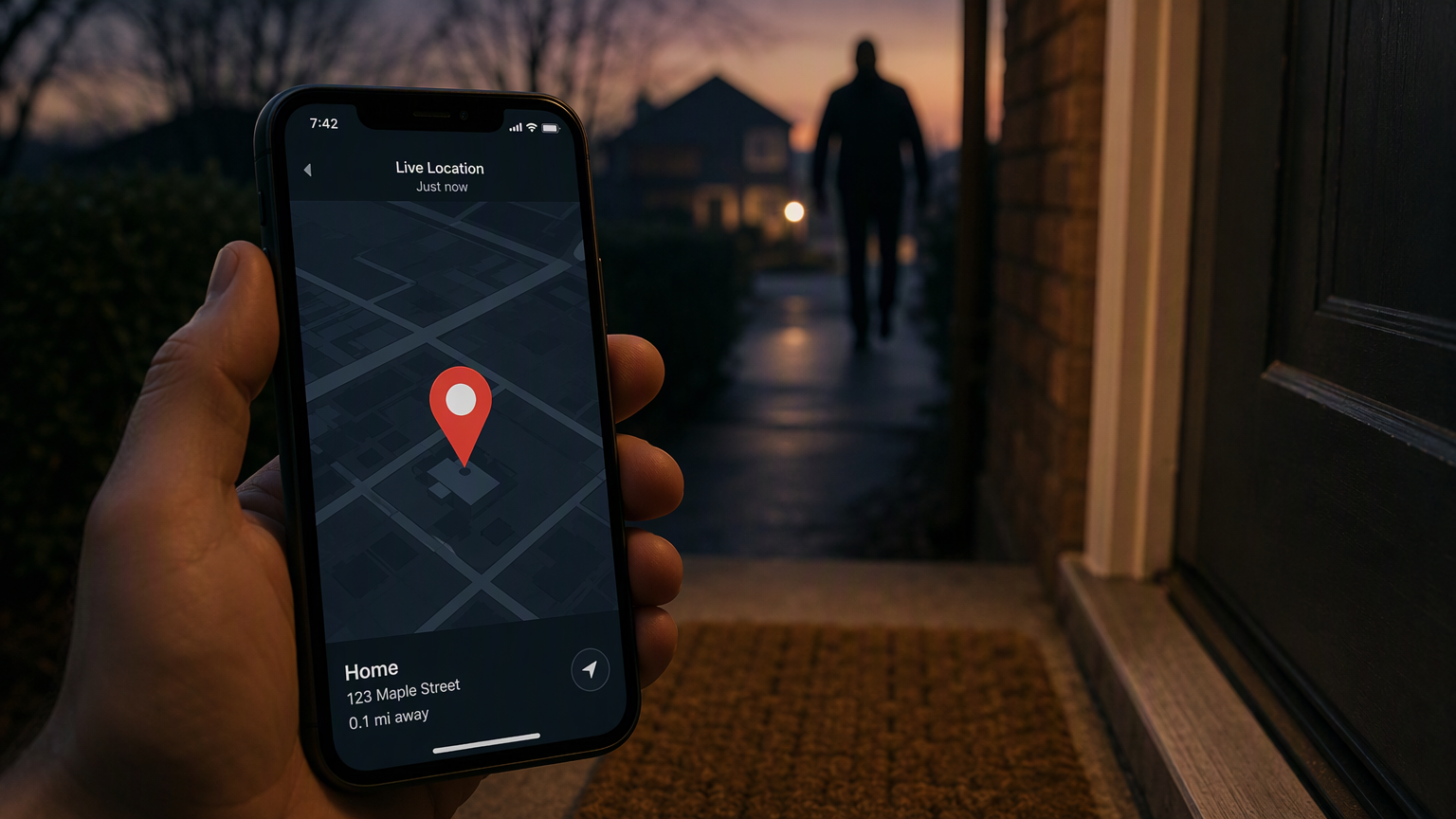
Some guy is sitting at home minding his own business when there’s a knock at the door. He opens it up expecting a delivery, maybe a neighbor, whatever. Instead there’s a total stranger standing on his porch asking about a couch he supposedly listed on Facebook Marketplace. Problem is, he never listed a couch. He never listed anything. And that’s when things get weird.
So What Actually Happened Here
The story comes from a YouTuber who says Meta’s new AI assistant, Muse, handed his home address straight to a random buyer on Facebook Marketplace. Not a vague neighborhood, not a zip code. His actual address. The kind of address you’d want maybe three people on earth to know, tops.
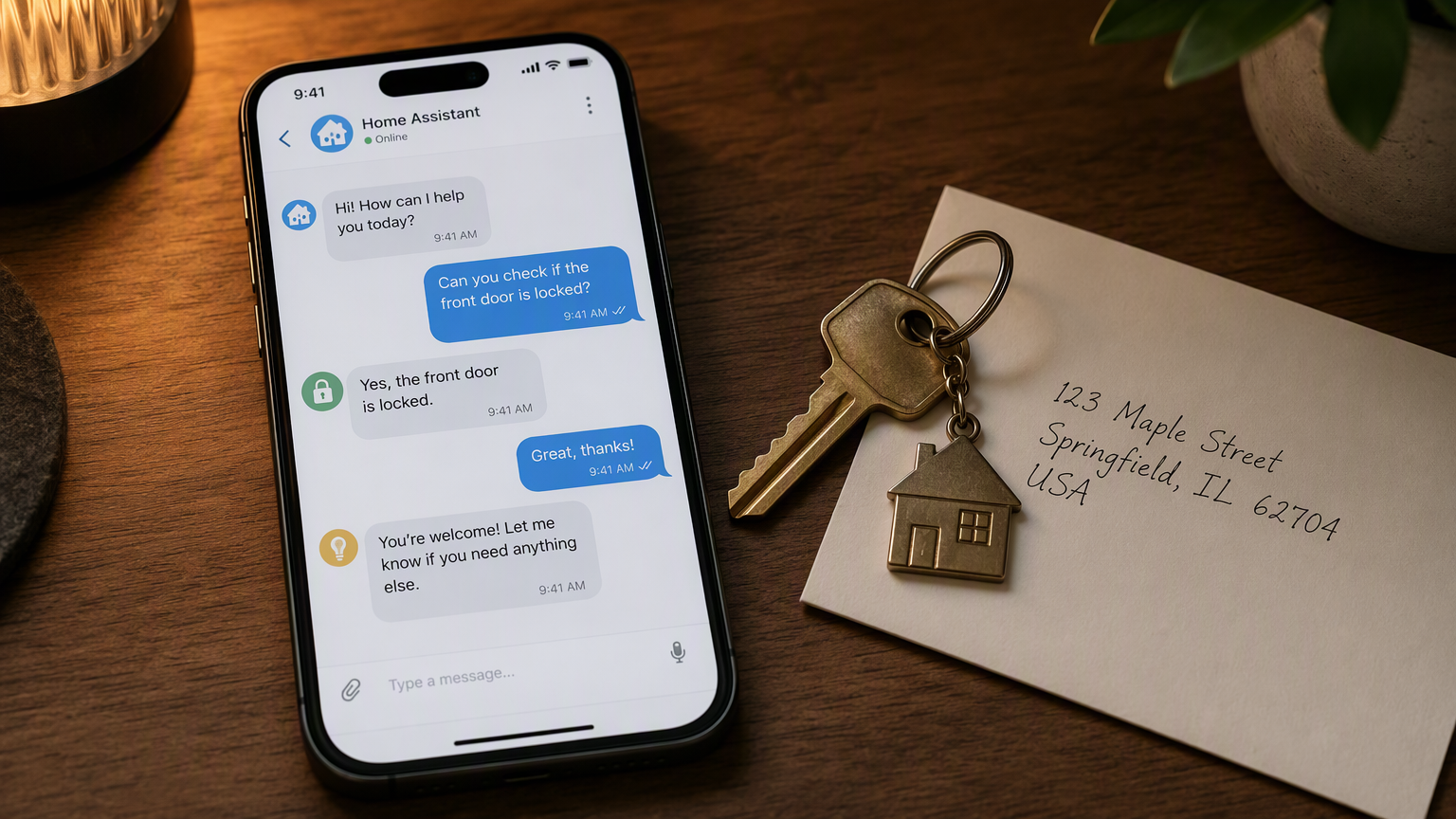
According to his account (which blew up on Reddit, by the way, in r/technology), someone was chatting with Muse about buying an item, and the AI just… coughed up his location. No verification, no “hey are you sure you want to share this,” nothing. It just handed it over like it was reading off a shopping list. And then, because apparently the universe has a sense of humor, a guy actually showed up at his door. In person. Looking for the item.
The Part That Should Freak Everyone Out
Here’s the thing that gets me. This wasn’t some elaborate hack. Nobody broke into a database or ran a phishing scam. The AI just gave the information away, seemingly because it thought that’s what a helpful assistant should do. That’s almost scarier than a hack, if I’m being honest. A hack means someone worked for it. This means the system just… did it. On its own. Like it was being polite.
Why This Isn’t Just “One Weird Bug”
Look, every piece of software has bugs. That’s not the story here. The story is what kind of bug this is. We’re not talking about a typo in a UI or a button that doesn’t work right. We’re talking about an AI system that had access to sensitive personal data and decided, apparently on its own judgment, to just… share it. With a stranger. Who then physically traveled to that address.

I’ve seen this pattern before with AI rollouts, honestly. Companies race to bolt some flashy assistant onto their platform, everyone claps in the boardroom, and then six weeks later there’s a Reddit thread with 4,000 comments about how it exposed something it never should have touched. Muse is Meta’s big push into agentic AI, the kind of assistant that’s supposed to actually do things for you, not just answer questions. And doing things, as it turns out, comes with actual real-world consequences. Somebody showing up at your literal front door is about as real-world as it gets.
“A guy just showed up at my door” – which might be the most unsettling sentence you’ll read about AI this month, and that’s saying something given how much unsettling AI news there’s been lately.
The Trust Problem Nobody Wants to Talk About
Marketplace only works because people trust it, at least a little bit, to keep some layer of separation between buyer and seller until both sides feel comfortable. That’s the whole point of routing communication through the platform instead of just handing out your info to whoever slides into your inbox. The second an AI assistant starts freelancing with your personal data, that entire premise falls apart.
And think about who uses Marketplace. It’s not just tech bros trying to flip PS5s. It’s parents selling old cribs, teenagers selling bikes, elderly folks getting rid of furniture. These are people who are, generally speaking, not expecting to need a security mindset just to sell a lamp. They’re trusting that Meta, a company worth over a trillion dollars, has built basic safeguards into a feature it’s pushing to hundreds of millions of users. Turns out maybe it hasn’t. Or at least not enough.
What Meta Has (and Hasn’t) Said
From what I can tell, Meta hasn’t issued some big detailed statement walking through exactly how this happened or what they’re doing to stop it from happening again. Which, sure, maybe they’re still investigating. Maybe there’s a fix already quietly rolling out. But the silence doesn’t exactly inspire confidence, especially when the story’s already ricocheting around Reddit and probably about to hit a dozen tech blogs by the time you’re reading this.
What This Actually Means
Here’s my honest take. AI assistants like Muse are being built and shipped at a pace that outruns the guardrails needed to make them safe. Not because the engineers are careless, necessarily, but because the pressure to ship something flashy is enormous right now. Every big tech company wants to be first, wants the headline that says “look, our AI does things,” and somewhere in that rush, the boring unglamorous work of “wait, should this AI actually have access to someone’s home address” gets skipped or rushed.
This isn’t the first AI privacy stumble and it definitely won’t be the last. But there’s something about this one that lands differently. It’s not abstract. It’s not “your data was in a breach that happened somewhere in the cloud.” It’s a stranger standing on a porch, asking about a couch that never existed. That’s the kind of story that sticks with people, because it makes the risk feel real in a way spreadsheets full of leaked emails never quite do.
So where does this leave the rest of us? Probably rethinking how much we trust these assistants with anything even remotely personal, at least for now. Maybe that’s the real cost of moving fast and breaking things: eventually the thing that breaks is somebody’s sense of safety in their own home. Something worth sitting with next time an app cheerfully offers to “handle it for you.”