

Mayo Mayhem: Coach Dies for 50-Lb Challenge
You hear about fitness challenges all the time, right? Lose twenty pounds in a month! Run a marathon! Go vegan for a year! We’re constantly bombarded with these things, always pushing our limits, striving for some new personal best. Most of ’em are pretty standard, safe-ish – or at least, you’d think so. But then you run into stories like this one, and you’re just left scratching your head, wondering, “What in the world were they thinking?” Because sometimes, the drive to prove a point, to stand out, can go horribly wrong. This isn’t just about a challenge gone awry; it’s a stark, tragic reminder that some lines just shouldn’t be crossed, especially when it comes to your own body.
The story of Dmitry Nuyanzin, a 30-year-old fitness coach, is one of those jaw-dropping narratives that’ll make you question the whole “no pain, no gain” philosophy. He was apparently trying to gain a whopping 50 pounds, then lose it again, all to promote his fitness program. Fifty pounds! That’s not just a casual weekend binge; that’s a serious, intentional, and frankly, kind of alarming fluctuation for your body to handle. I mean, we’re talking about putting your system through a full-on rollercoaster, a metabolic joyride that seems less about health and more about spectacle. And, well, it ended in tragedy.
The Quest for “Relatability” – A Dangerous Game
It seems like Nuyanzin’s whole idea stemmed from a desire to be more relatable to his clients. He wanted to show them he understood their struggles, that he’d been there, gained the weight, lost the weight, and come out the other side triumphant. A noble goal, in theory. Many coaches try to connect with their clients on a deeper level, share vulnerabilities, you know? But there’s a difference between sharing a story of past struggles and actively inducing a struggle for the sake of marketing. It’s like a doctor intentionally getting sick to “understand” a patient’s illness – it just doesn’t make sense, does it?
When Promotion Becomes Perilous
The details are pretty grim. Reports suggest he was on a massive calorie surplus, just shoveling it in. We’re talking binge-eating here, not a gradual, healthy weight gain. It wasn’t about building muscle; it was about rapid, unhealthy fat accumulation. He was documenting his journey, putting it all out there for his followers to see. The pressure must’ve been immense, not just from the physical toll but also the public eye. Imagine the comments, the expectations, the constant need to show progress – even if that progress meant actively sabotaging your health. It’s a recipe for disaster, and sadly, it played out exactly that way.
- The “Why”: Nuyanzin’s alleged motivation was to market his own fitness transformation program, leveraging his personal experience for credibility. A truly heartbreaking irony, isn’t it?
- The “How”: Through what’s been described as a binge-eating challenge, pushing his body to extreme limits in a short timeframe. This isn’t dieting; it’s a form of physiological assault.
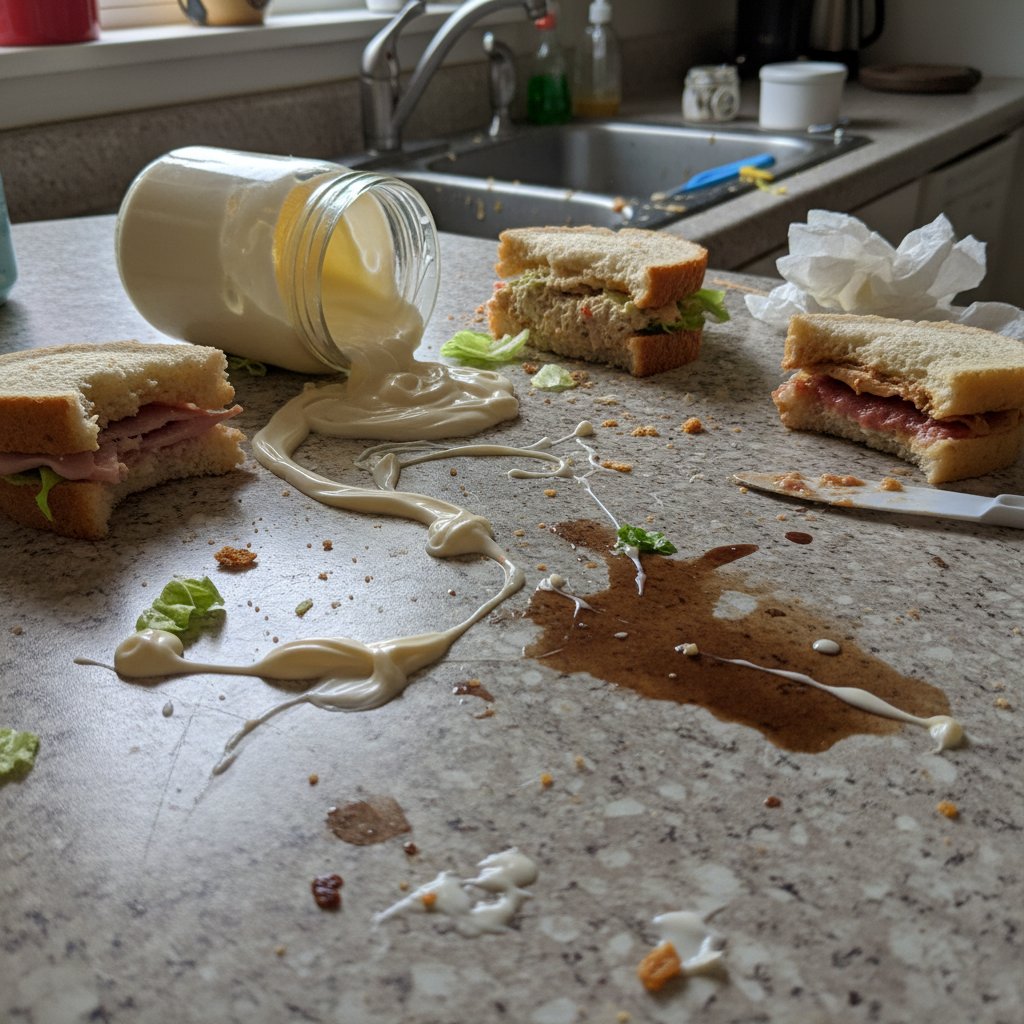
Now, you might think, “Well, coaches understand nutrition and their own bodies, right? They’d know what’s safe.” And yes, in general, they’re often more attuned to health and fitness than the average person. But even experts can fall prey to bad judgment, especially when ego, marketing, and the desire to make an impact come into play. The human body is resilient, no doubt, but it has its limits. Pushing those boundaries with extreme, rapid weight gain and then planning an equally rapid loss? That’s not just risky; it’s basically playing Russian roulette with your internal organs. Your heart, your liver, your kidneys – they’re not designed for that kind of rollercoaster ride. And let’s not even get started on the mental health aspect of intentional binge-eating; that’s a whole other can of worms.
The Allure of Extreme Challenges – A Societal Sickness?
This incident, tragic as it is, really makes you step back and look at our culture’s obsession with extremes, doesn’t it? We’re so conditioned to see “bigger, faster, stronger” as inherently better, that sometimes we forget there’s a fine line between pushing yourself to be your best and pushing yourself right off a cliff. Think about all the crazy diet trends, the hardcore workout regimens, the “before and after” photos that barely look like the same person. There’s a lot of pressure to be spectacular, to have an amazing story, to show off some incredible feat of willpower. It’s almost like plain old healthy, consistent effort just isn’t exciting enough anymore, which is a real shame.
“The pursuit of transformation, fueled by public performance, can blind individuals to the very real and dangerous consequences.”
The Dark Side of Online Fitness Culture
With social media, everyone’s a brand now, especially in the fitness world. Coaches, influencers, “gurus” – they’re all vying for attention, for followers, for clients. And sometimes, that competition pushes people to do things that are, well, frankly bonkers. If simply posting healthy meal prep or a good workout video doesn’t get views, then what’s next? An extreme challenge. A dramatic transformation. Something that screams “look at me!” Because in that online space, virality can feel like validation, and validation often translates to income. It’s a vicious cycle, creating an environment where extreme behaviors might not just be tolerated but actually encouraged, even if subtly. We’re talking potential eating disorders, body dysmorphia – all for the ‘gram, you know?
- The Pressure Cooker: The constant need to stand out in a saturated online market can lead to increasingly risky stunts. It’s not just about being good anymore; it’s about being unforgettable (for better or worse).
- Misinformation & Misguidance: When these high-stakes challenges are presented as legitimate fitness strategies, it sends a dangerous message to impressionable followers. The line between inspiring challenge and dangerous behavior gets blurred.
This whole situation really highlights the dangers inherent in public-facing fitness challenges, doesn’t it? It’s not just about the individual taking part; it’s also about the message it sends to others. When a coach, someone looked up to for guidance, takes such extreme measures, it normalizes that kind of risk-taking. It makes others think, “If they can do it, maybe I should too,” without fully grasping the potential consequences, both immediate and long-term. And with the internet, these stories spread like wildfire, influencing who knows how many people, often without the necessary context or warnings. It’s a ripple effect of bad ideas, fueled by good intentions twisted into something dangerous.
What Can We Learn from This Sad Story?
So, where does this leave us? This isn’t just a sensational headline; it’s a tragedy that should serve as a wake-up call for anyone in the fitness world, and for anyone considering an extreme challenge. It’s a reminder that authenticity doesn’t require self-harm. You can connect with people through genuine empathy, through science-backed advice, through consistent, achievable goals. You don’t need to put your body through hell to prove a point. In fact, if anything, this sad story proves the exact opposite: that sometimes, the most important lesson is knowing when to stop, when to say no, and when to prioritize your health above all else. For Nuyanzin’s clients-to-be, the goal was fitness, not fatality. And that’s a distinction we all need to remember.
Ultimately, Nuyanzin’s death is a stark, heartbreaking lesson about the perils of extreme fitness challenges and the competitive nature of online personal branding. It forces us to ask ourselves: at what cost do we pursue “relatability” or virality? And are we, as a society, really asking people to sacrifice their well-being for entertainment or marketing? It’s a heavy thought, but one we probably all need to chew on for a bit, especially when another dramatic fitness claim pops up in our feeds. Let’s remember that true strength-and true coaching-comes not from risking it all, but from valuing health in its most fundamental, sustainable, and safe forms. Anything else is just not worth it.