
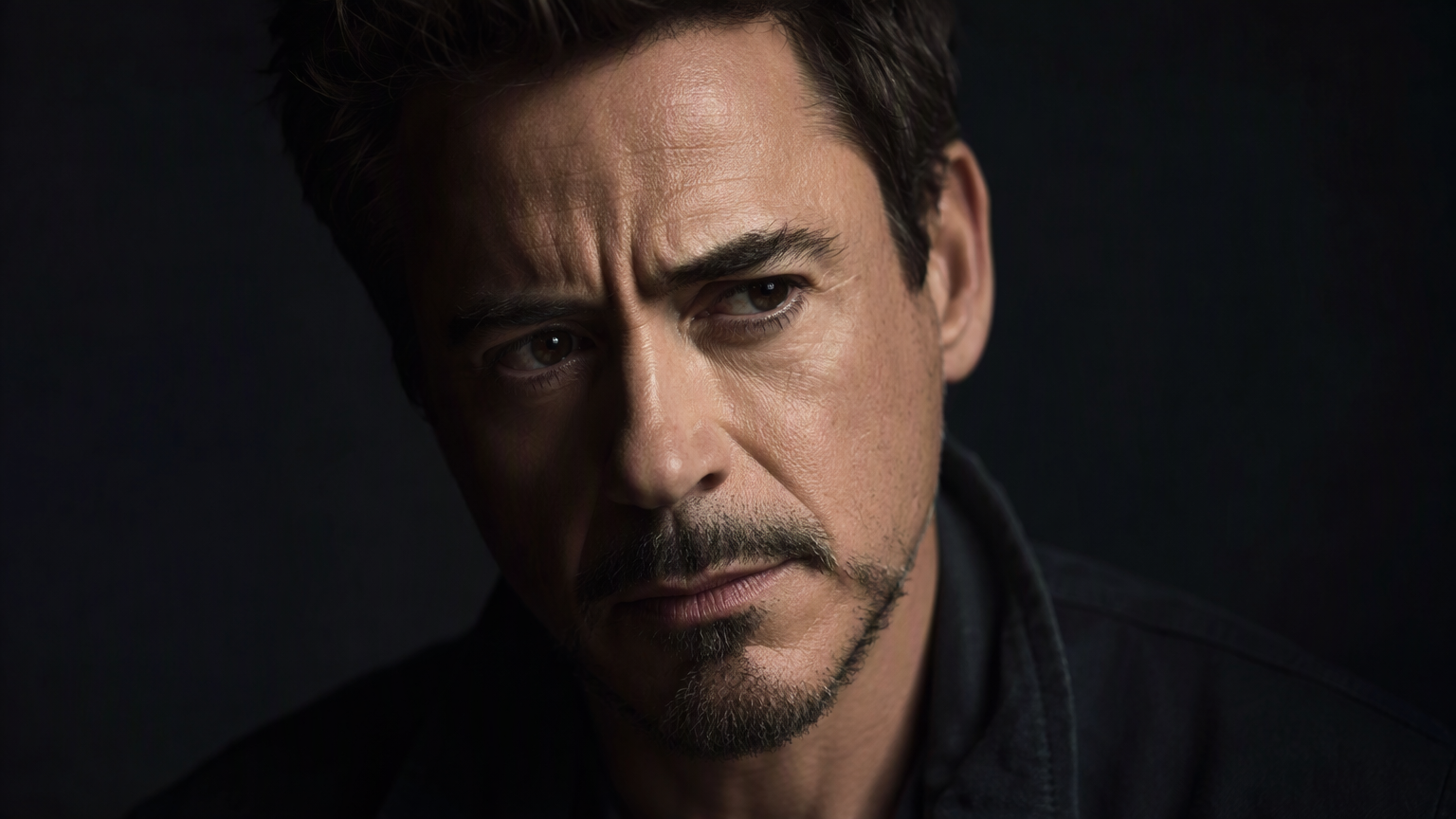
Mark Ruffalo doesn’t do subtle. Never has. So when he came out swinging against the Paramount-Warner Bros merger, calling it a disaster for creativity and free speech, nobody who’s followed his career was exactly shocked. But the timing, and the bluntness, made people sit up anyway.
So What Did He Actually Say?
Ruffalo didn’t mince words. He said the merger “should never have been approved,” and argued it’s going to “stifle creativity” and “weaken free speech.” Strong stuff. The kind of statement that gets clipped and shared a thousand times before lunch. And look, I get why it hit a nerve – this isn’t some random actor shouting into the void, this is a guy who’s played the Hulk in a billion-dollar franchise owned by one of these mega-conglomerates, basically biting the hand that signs his checks (or used to, anyway).
Here’s the thing though – Ruffalo’s been consistent about this stuff for years. This isn’t a one-off hot take he cooked up for clicks. He’s talked about corporate consolidation in media before, he’s been vocal about net neutrality, he showed up to Standing Rock protests back in the day. The guy has a track record of actually caring about this stuff beyond the soundbite. So when he says a merger is bad for free speech, it’s worth asking why he thinks that, not just rolling your eyes at another celebrity opinion.
Why Mergers Like This Make People Nervous
The basic worry isn’t complicated. When you combine two giant studios into one even bigger studio, you end up with fewer buyers for scripts, fewer distribution options, fewer executives greenlighting projects that don’t fit a very narrow commercial formula. Fewer competitors means less pressure to take creative risks. That’s not some wild conspiracy theory, that’s just… how consolidation works in basically every industry. Ask anyone who’s watched local news stations get bought up by the same three companies.
But Is Ruffalo Actually Right About This?
I mean, partly? The free speech angle is where I think things get a little murkier, if I’m being honest. A media merger reducing speech protections in some direct legal sense is a stretch – that’s not really how the First Amendment works. But if what he means is “fewer independent voices with the power to greenlight controversial or challenging work,” then yeah, that argument holds up a lot better. Big companies tend to play it safe. They’ve got shareholders to answer to, debt to service, quarterly earnings calls to survive. Risky, weird, politically pointed storytelling doesn’t exactly scream “safe bet” to a boardroom full of people worried about stock price.
“When you concentrate that much power in that few hands, you don’t get more stories. You get the same three stories, told slightly differently, forever.”
That quote above basically sums up the fear a lot of industry folks have had for years now, long before this particular merger showed up on anyone’s radar. Writers have been sounding this alarm since the streaming wars started eating each other alive. Remember when there were like eight different platforms all competing for your subscription, and now half of them have been swallowed whole or quietly folded? That’s not an accident. That’s the business model working exactly as intended for the people at the top.
The Part Nobody’s Really Talking About
What’s interesting here isn’t just Ruffalo’s statement, it’s who’s actually paying attention to it. Regulatory bodies move slow, painfully slow, and by the time anyone in Washington really digs into whether a merger harms competition, the deal’s usually already closed and the layoffs have already started. That’s basically the pattern we’ve seen with media consolidation for the last two decades. Approve first, ask questions never, shrug when creative workers get squeezed out.

And here’s where I’ll push back a little on the doom and gloom – mergers don’t automatically kill good work. HBO still made some genuinely great TV under corporate ownership that could’ve easily said no to risky shows. Sometimes big companies take swings because a passionate exec fights for something. But that’s the exception, not the rule, and it depends entirely on who’s in the room making decisions. Which, after a merger like this, usually means fewer rooms. Fewer decision makers. Fewer people who can say yes to the weird idea that doesn’t test well with focus groups but ends up being someone’s favorite show for the next decade.
Not gonna lie, I’ve seen this pattern play out enough times that I’m skeptical whenever a company promises a merger won’t change “creative independence.” It always changes something. Maybe not immediately, maybe not dramatically, but slowly, over a couple years, as budgets tighten and risk tolerance shrinks and somebody in finance starts asking why this one weird show costs so much to make.
What This Actually Means
So where does that leave us? Honestly, probably exactly where we started – with a merger that’s already moving forward, a famous actor saying what a lot of industry insiders have been muttering privately for months, and regulators who may or may not have the appetite to actually do anything meaningful about it. Ruffalo’s comments won’t unwind a deal like this. That’s just not how it works. But public pressure from recognizable names does shift the conversation, even if it doesn’t shift the outcome.
What I’d watch for next isn’t whether the merger gets blocked – that ship’s probably sailed. It’s whether we start seeing the actual creative fallout a year or two from now. Fewer greenlights for mid-budget films. More franchise safety nets. Writers and directors quietly talking about how pitch meetings have changed. That’s the real tell. Not the statement, the aftermath.
Ruffalo’s loud, he’s blunt, and he’s probably going to catch some grief for speaking out against a company he’s worked with before. But he’s also not wrong to point out that bigger isn’t always better, especially when “bigger” means fewer people deciding what stories get told and who gets to tell them.