
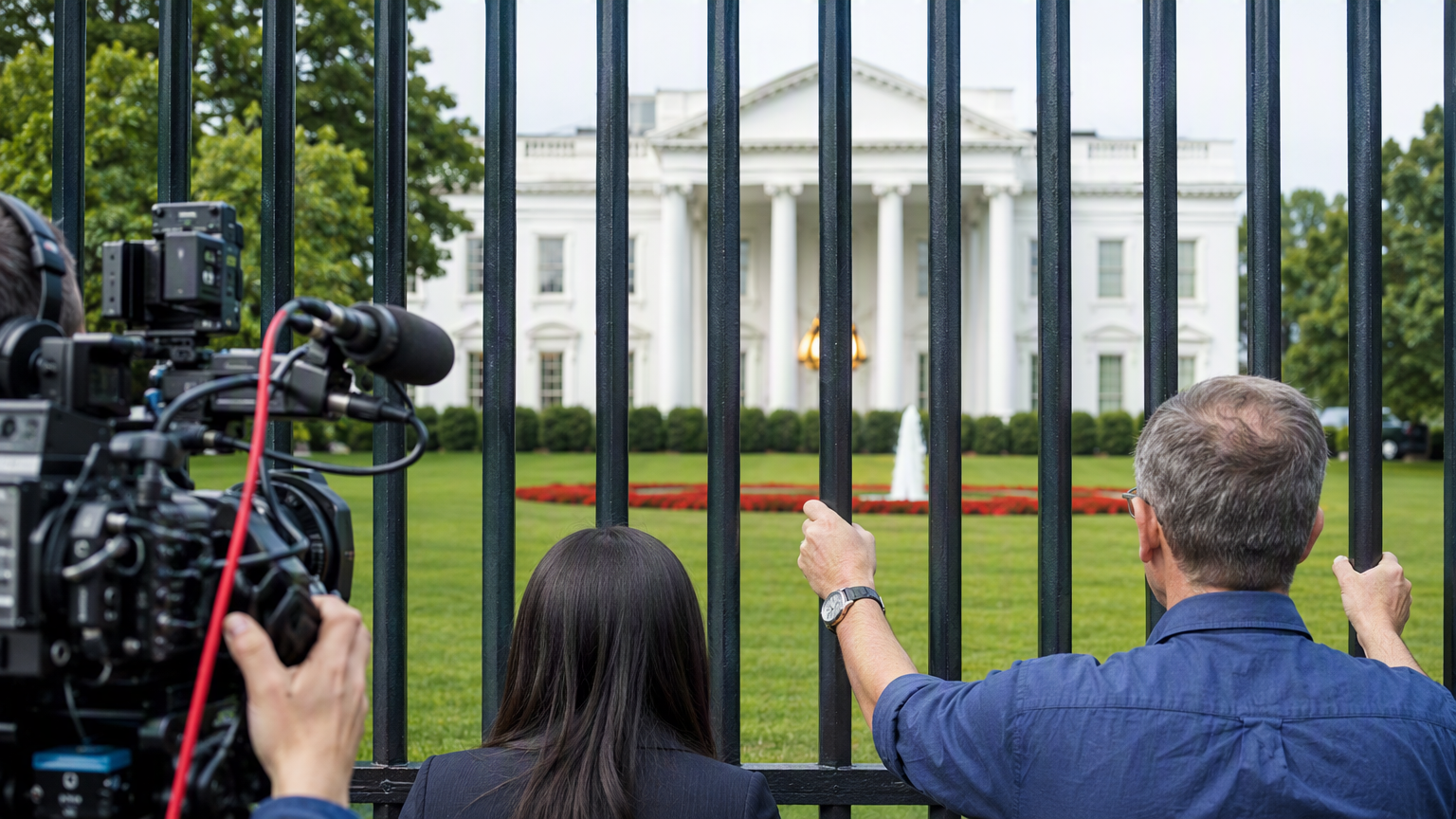
Three journalists showed up for work last week and got turned away at the door. Not because they did anything wrong, not because their credentials expired, but because the outlets they work for – CNN, MS NOW, and Politico – apparently rubbed the White House the wrong way. And now half of Washington’s press corps is furious, while the other half is probably just relieved it wasn’t them. This time.
Okay, So What Actually Happened
Here’s the basic rundown. Reporters from CNN, MS NOW (that’s the rebranded MSNBC, in case you missed that whole saga), and Politico were denied entry to the White House. Not a scheduling mix-up. Not a paperwork issue. A denial. The kind that makes other journalists in the building put down their coffee and start typing furiously.
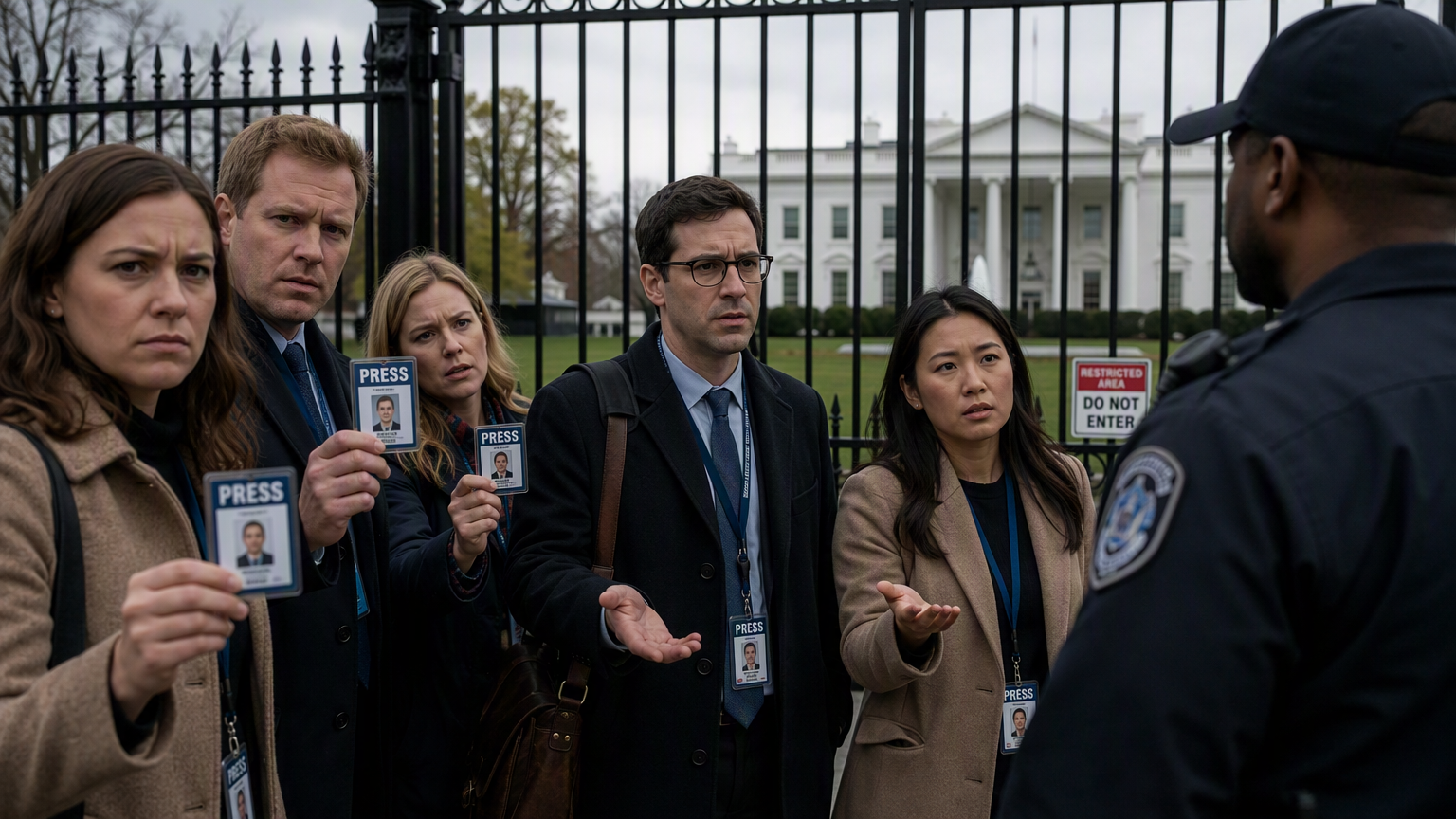
And look, this isn’t exactly shocking behavior coming from Trump’s White House. We’ve seen this movie before – remember when Jim Acosta got his pass yanked back in 2018? Different administration era, same energy. But what’s interesting here is how quickly and how loudly other journalists jumped to defend their locked-out colleagues. This wasn’t a quiet grumble in the press room. This was public, immediate, and pretty unified.
Why These Three Outlets, Specifically?
That’s the part nobody’s fully answered yet. From what I can tell, there’s no official White House statement laying out clear criteria for who gets in and who doesn’t. Which, honestly, is kind of the whole problem. When there’s no transparent standard, people start assuming the worst – that this is about coverage they didn’t like, not some legitimate security or logistics issue.
Why Is Everyone So Worked Up?
Because this isn’t really about three reporters missing a briefing. It’s about what happens when the people covering the government start getting picked off one outlet at a time. Today it’s CNN, MS NOW, and Politico. Tomorrow? Who knows. That’s the fear driving a lot of this backlash, and honestly, I get it.
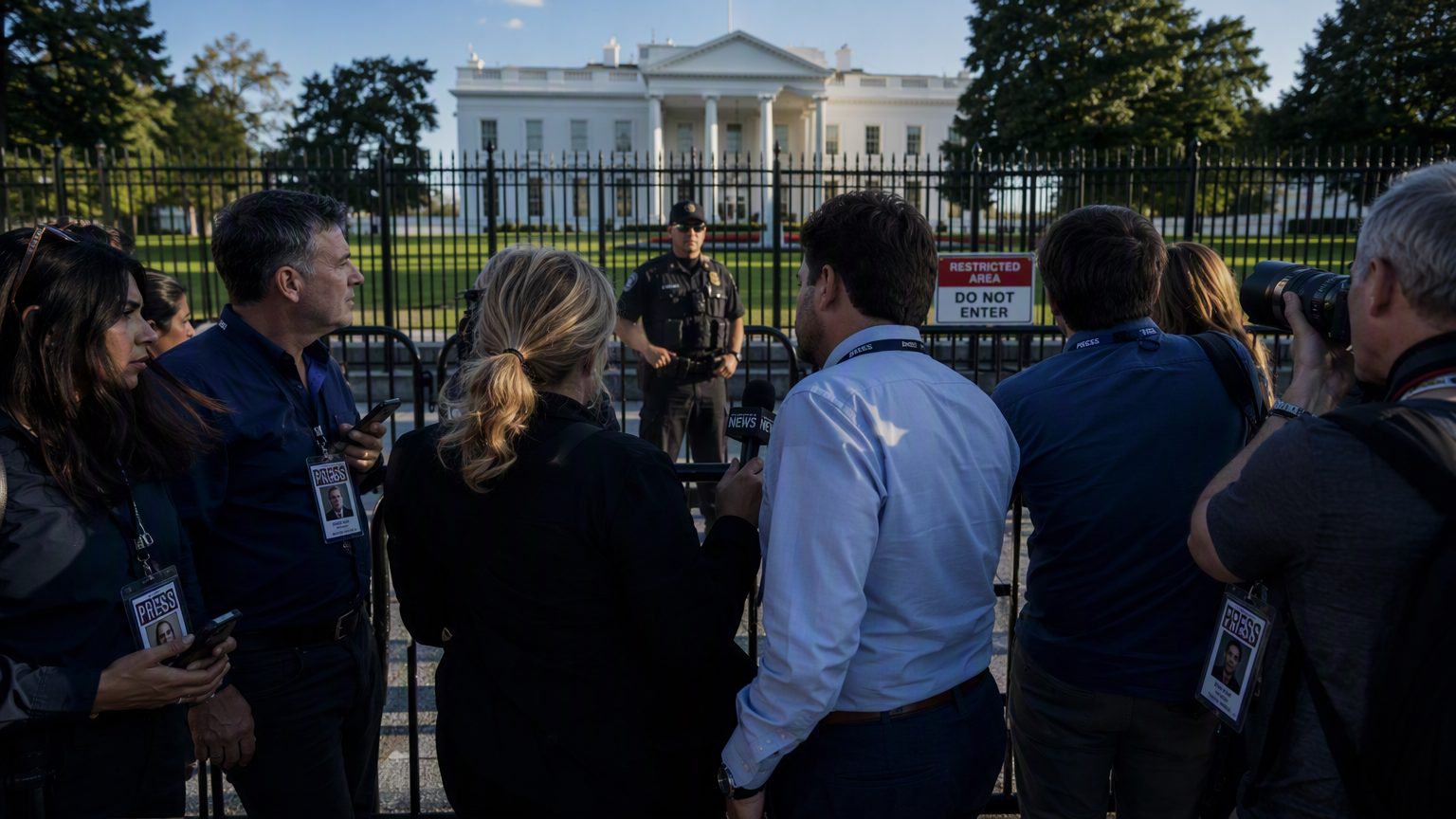
“When you start deciding who gets access based on whether you like their coverage, you’re not managing the press anymore – you’re managing the narrative.”
That quote basically sums up the mood among a lot of reporters right now. And I’ll be honest, it’s hard to argue with. The White House press pool exists so the public gets more or less unfiltered access to what the administration is doing. The second you start cherry-picking who’s allowed in based on tone or coverage history, you’ve basically turned the briefing room into a PR exercise. Not gonna lie, that’s a pretty slippery slope.
The Bigger Pattern Here
This isn’t happening in a vacuum. Press access fights have been simmering for years now, across multiple administrations if we’re being fair about it, but they’ve gotten sharper and more frequent lately. What used to be occasional friction between reporters and press secretaries has turned into something closer to open warfare, with credentials as the weapon of choice.
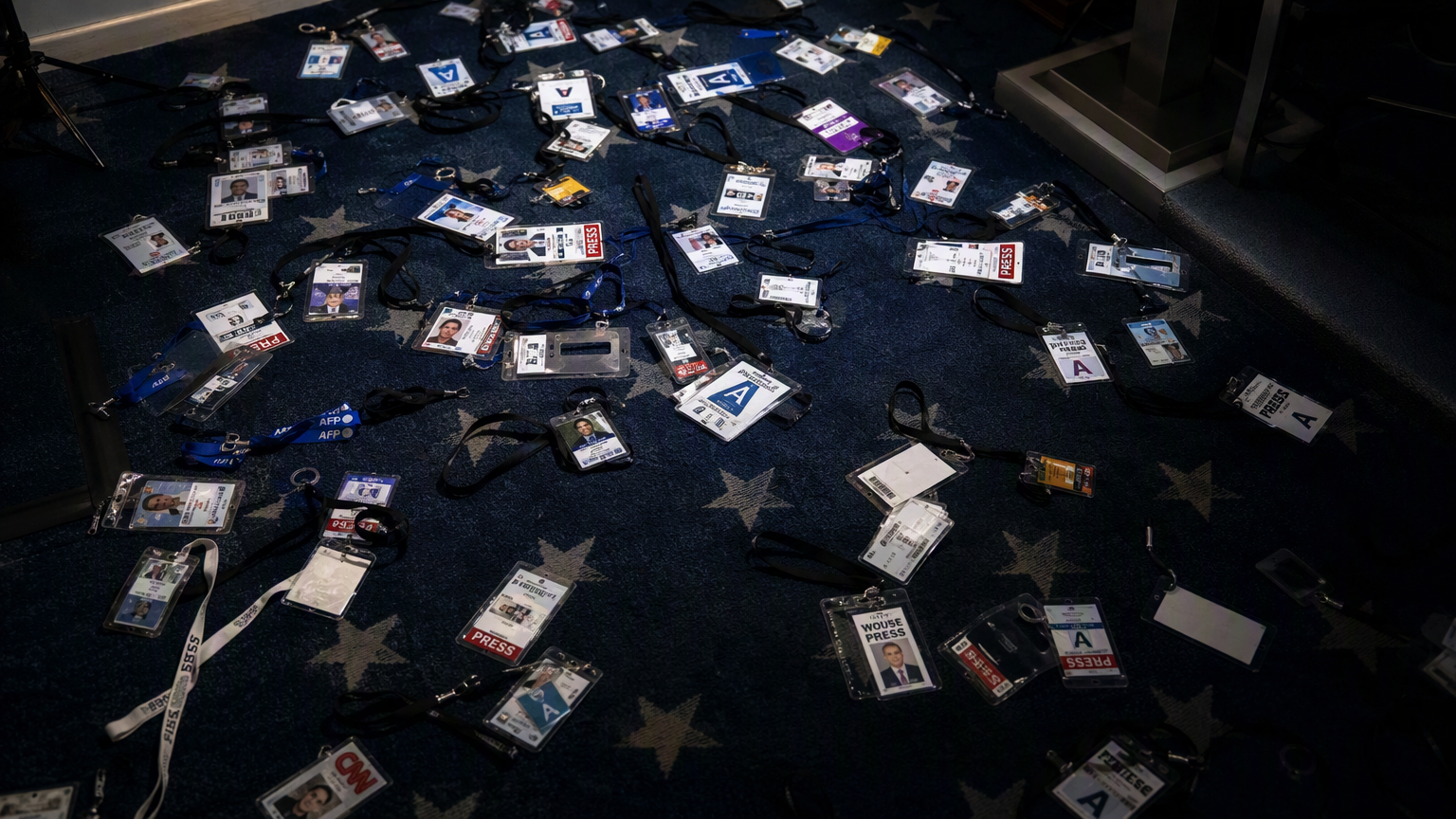
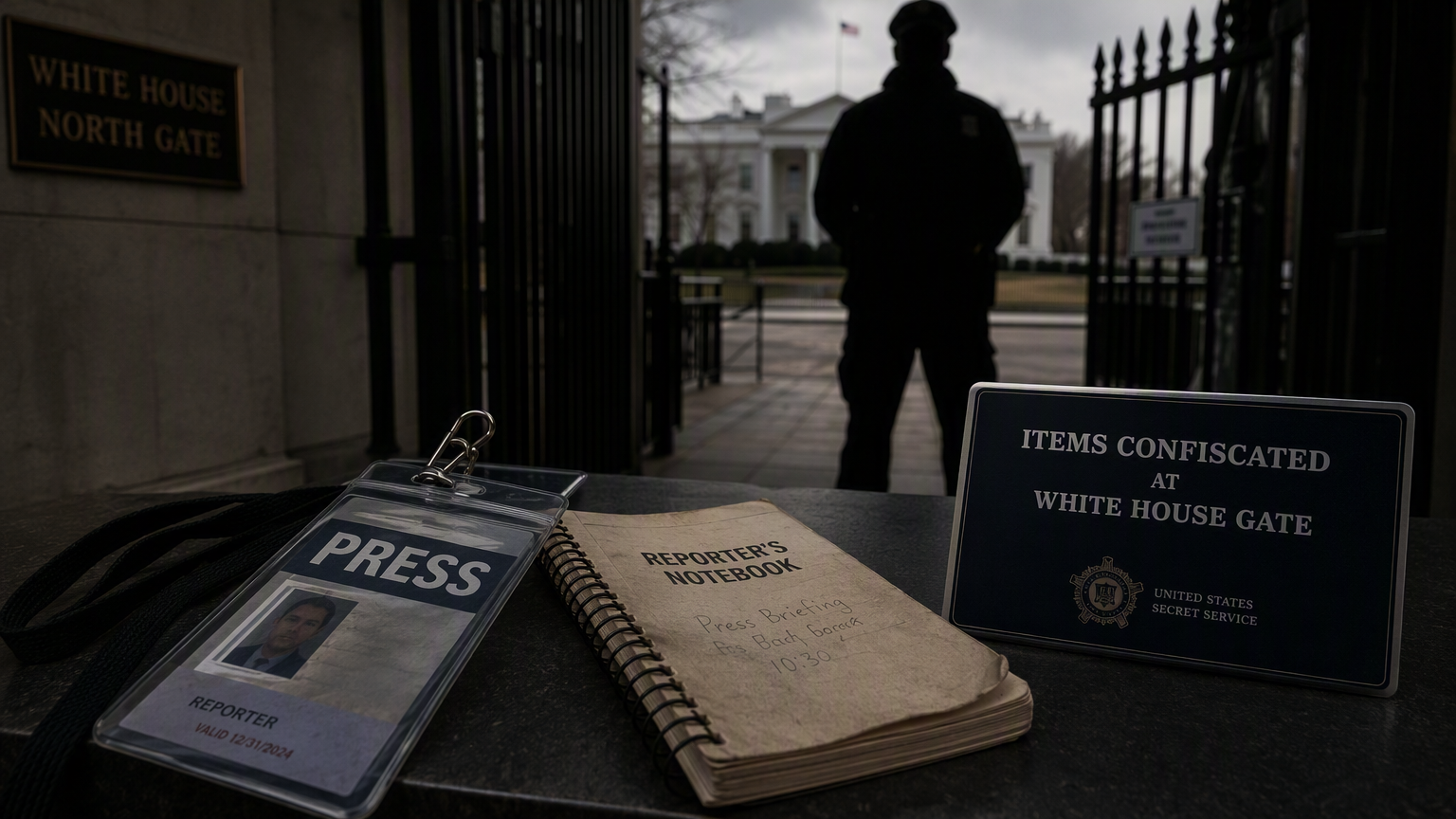
I’ve seen this pattern before, and it usually goes one of two ways. Either the outcry forces a walk-back – some quiet reversal where access gets restored and nobody really apologizes but the story just fades – or it hardens into a new normal where certain outlets just accept they’re on the outside looking in. Right now, it’s genuinely unclear which direction this goes. Other journalists, including some from outlets that weren’t affected, have been vocal about standing with the three who got shut out. That kind of solidarity matters. It’s harder to isolate one outlet when the whole press corps treats it as everyone’s problem.
But – and this is the part that worries me – solidarity statements don’t actually get anyone back through the door. They make for good headlines, sure, but access is access. Either you’re in the room or you’re not.
What This Actually Means
Here’s my honest take: this is less about CNN, MS NOW, or Politico specifically and more about a White House testing how far it can push before there’s real consequence. So far, the consequence has mostly been strongly worded statements and a lot of think pieces (this one included, I suppose). That’s not nothing, but it’s also not exactly a deterrent.
What happens next probably depends on whether this stays a story for a news cycle or two, or whether it becomes part of a longer pattern that reshapes how press access works altogether. If I had to guess, we haven’t seen the last of this kind of move. And that should probably concern more people than it currently does – regardless of which outlets you personally trust or distrust. Access to the people running the country shouldn’t depend on whether they liked your last headline.