

You know, some fights just feel right. The kind where you stake your claim, plant your feet, and just go for it, consequences be damned. And when you’re talking about David Letterman, a man who pretty much invented the modern late-night talk show host persona-sarcastic, a little aloof, but always keenly observant-you assume his biggest battles would’ve been some epic network negotiation or maybe a legendary guest feud. But nope. According to the man himself, his proudest fight was a little more… presidential. And divisive. The mere mention of it still kinda sparks fireworks, doesn’t it?
We’re talking, of course, about his jabs-and sometimes full-on uppercuts-at Donald Trump during the years leading up to, and especially during, Trump’s presidency. Now, you might think, “Well, everyone was doing that.” And you’d be kinda right, but Letterman, he had history with Trump. Years of late-night appearances, those oddly chummy-then-not-so-chummy interviews. It wasn’t just political punditry; it was personal, in a way. And that’s what made his stance, his absolute refusal to back down, feel so incredibly significant, you know?
His recent comments, where he outright said he’s “never been more proud” of his actions against what he termed “Dictator Trump,” really hammer that home. It wasn’t just a bit for ratings; it was a deeply felt conviction. And for a comedian, that’s saying something.
The Evolution of a Late-Night Feud
It’s fascinating, really, to watch how their relationship shifted over the years. Trump, back in the day, was a frequent guest on Letterman’s show. He was the brash real estate mogul, the larger-than-life New Yorker, perfect comedic fodder. Letterman would rib him, Trump would play along, it was all part of the late-night dance. They even had that hilarious segment where Letterman took him to a New York hot dog stand, which showed a completely different, almost human side of Trump, believe it or not.
From Punchline to Public Enemy
But something shifted as Trump’s political ambitions grew. The jokes, which once felt like playful jabs, started to land a bit harder. Letterman, with his signature dry wit, began to poke at the inconsistencies, the bombast, the sheer audacity of it all. What was once entertainment became something else-a serious critique from a respected cultural voice. And it felt like Letterman was really, truly stepping into that role, whether he even meant to or not.
- Early Days: Trump as a comedic foil, a harmless caricature of wealth and ego.
- Political Ascent: Letterman’s tone shifts, questioning and challenging Trump’s rhetoric and character in a way that viewers, frankly, weren’t used to seeing from him with this intensity.
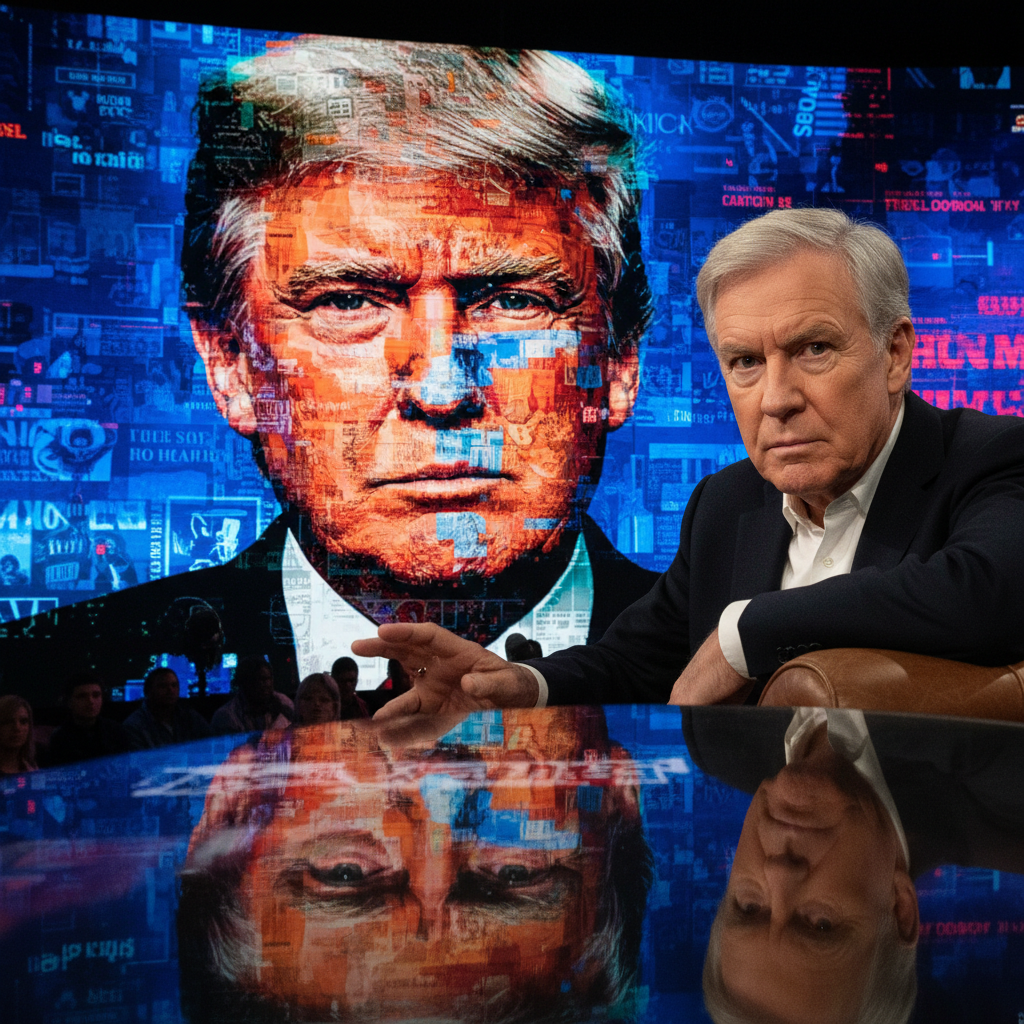
It was never just about what Trump said; it was about the way he said it, the energy he brought, which Letterman, as a master of performance himself, could probably see right through. He knew a showman when he saw one, and he knew when the showman was asking for something more than just applause.
The Power of the Comedy Take-Down
Here’s where it gets interesting, because Letterman wasn’t a politician. He wasn’t a pundit. He was a late-night host. But people, a lot of people, looked to him for a certain kind of truth, a kind of bullshit detector. And when that detector went off loud and clear against Trump, it really resonated with a specific segment of the audience.
“Comedy, at its best, isn’t just about laughs. It’s about revealing a deeper truth, a truth we might be too polite or too scared to say out loud.”
When the Jester Becomes a Voice
Think about it-there’s a unique permission given to comedians. They can say things, especially in late-night, that serious journalists or politicians might not get away with. It’s that thin line between entertainment and social commentary. Letterman seemed to walk that line pretty impeccably, especially regarding Trump. He would use Trump’s own words, his own actions, to highlight what he saw as absurdities, and that made it so much more potent than just a straightforward criticism.
- Truth in Jest: Using humor to expose perceived flaws or contradictions.
- Public Reflection: A comedian often acts as a mirror, reflecting collective anxieties and frustrations.
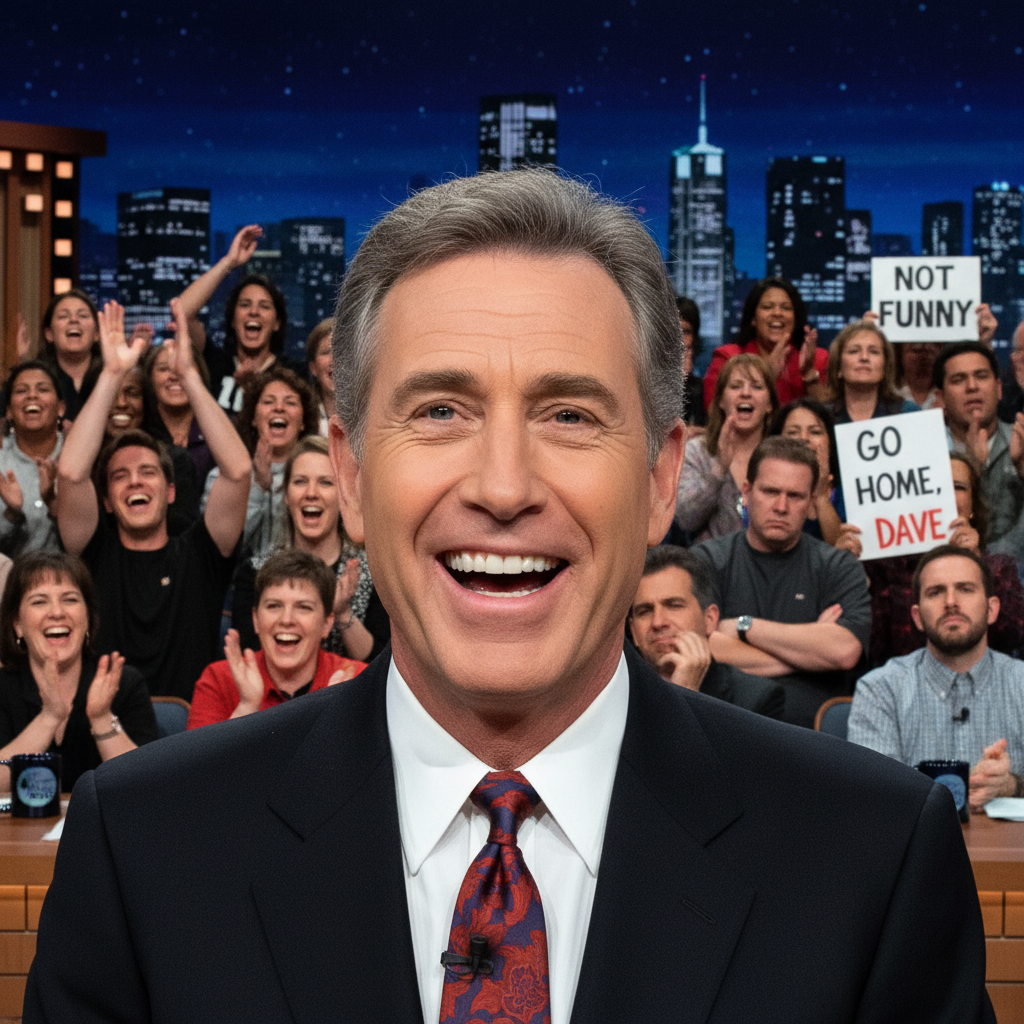
It’s not that he was universally loved for this, mind you. Oh no. The internet, as always, became a hotbed of pro- and anti-Letterman sentiment. But that’s kinda the point, isn’t it? If you’re not pissing someone off, are you really saying anything brave? Probably not.
The Legacy of a Late-Night Stand
Letterman’s retirement in 2015 meant he wasn’t on the air during the core years of the Trump presidency, but his previous takes, his strong statements, they still echoed. And when he’s come out since, on his Netflix show or in interviews, to double down on his stance, it shows that for him, this wasn’t fleeting. This was deeply ingrained, a principled stand that he feels good about, even proud of, years later. That’s rare, especially in an industry that’s often about moving on to the next big thing.
A Comedian’s Conviction
His pride in this fight against what he considers a “dictator’s” style of leadership, it’s not just about political alignment, I think. It’s about a fundamental disagreement with a certain approach to public discourse, to truth itself. For a guy who built a career on being quick-witted and authentic, the perceived dishonesty and bombast of the Trump era probably just chafed him something awful. It transcended simple partisan politics; it became, for him, a matter of principle. And that’s something you just don’t see every day in the comedic world, or really, any world.
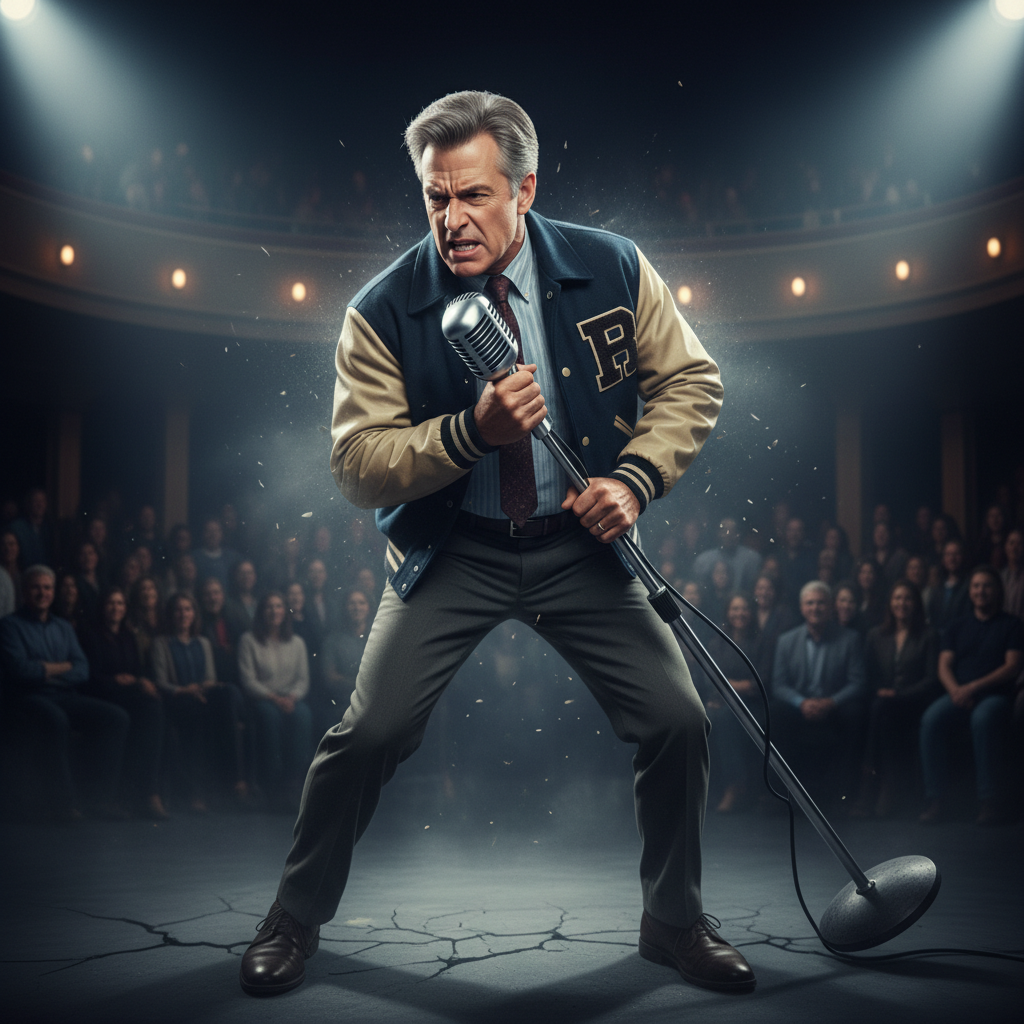
It also reminds us that comedians, even the most self-deprecating ones, aren’t just entertainers. They can be cultural commentators, sometimes reluctant ones, who find themselves speaking uncomfortable truths. And when they do, it often hits harder than any editorial could. Because it’s coming from a place of relatability, from someone who’s supposed to make us laugh, not necessarily make us think so deeply.
The Enduring Spark of Disagreement
So, Letterman, the famously cranky, brilliantly funny host, looks back at his clashes with Trump not as a professional obligation, but as a point of personal pride. That’s pretty telling, isn’t it? It suggests that some lines, even for a cynical comedian, just shouldn’t be crossed. Or rather, when they are, sometimes you just have to stand up, even if all you’ve got is a microphone and some clever writers.
It’s a reminder that even retired, some voices carry weight, especially when they speak from a place of genuine conviction. And in the often chaotic, always evolving world of media and politics, sometimes the most honest commentary comes not from the pundits in suits, but from a comedian who simply had enough. His pride, I think, comes from staying true to himself and his own moral compass, even when it wasn’t the easiest path. You gotta respect that, whether you agreed with him or not. It’s a very human thing, after all. What will we be proud of fighting for when we look back?