Judi Dench: “I Can’t See Your Face Anymore”
Imagine, if you will, being one of the most celebrated, iconic actors on the planet. Someone whose face is instantly recognizable, whose voice melts into whatever character she inhabits. Then, imagine that same person telling you-you, the reader, the fan-that she can’t, quite literally, recognize her friends, her colleagues, the very faces that have been part of her life’s tapestry. That’s the stark, rather heartbreaking reality Judi Dench is navigating right now, and honestly, it hits harder than you’d expect.
It’s not just about acting, you know? It’s about life’s small, intimate moments. The subtle shift in an eyebrow that signals amusement, the crinkle around eyes that means a genuine smile. All those little things we take for granted when we look at someone we love, someone we spend time with. For Dame Judi, those intricate details are fading, becoming blurry, then, eventually, vanishing altogether. It’s a cruel twist, especially for someone whose entire career has been built on observation, on embodying the nuances of human experience.
The Quiet Struggle of a Legend
You see headlines, don’t you? “Judi Dench’s Worsening Eye Condition.” You read the words, and you nod, maybe feel a pang of sympathy. But then she actually says it, out loud, in a way that truly sinks in: “I can’t recognize anybody anymore because I can’t see your face.” That’s not just a medical update; it’s a profound, personal admission of a fundamental shift in how she experiences the world, how she connects with people. It’s a gut punch, really, to hear that kind of candid vulnerability from someone we often see as invincible on screen.
The Everyday Impact
We’re talking about macular degeneration here, a condition that basically messes with your central vision. It leaves the peripheral vision intact, generally, but that’s like having a frame without the painting. You can see the edges, the context, but the main event-the things you need to focus on, like, you know, faces or words on a script-just aren’t there anymore. Think about trying to navigate a party, or a busy street, when everyone’s face is just a blur. The disconnect must be immense.
- Daily Life: Imagine trying to read a menu in a restaurant. Or a book, for that matter. The simple pleasure of an evening read, gone.
- Performance: This is the tricky bit. For an actress, seeing cues, reacting to subtle facial expressions from fellow actors-it’s integral. How do you prepare for a role when you can’t read the script? She’s spoken about getting friends to read them to her, a kind of auditory learning process that sounds incredibly demanding.
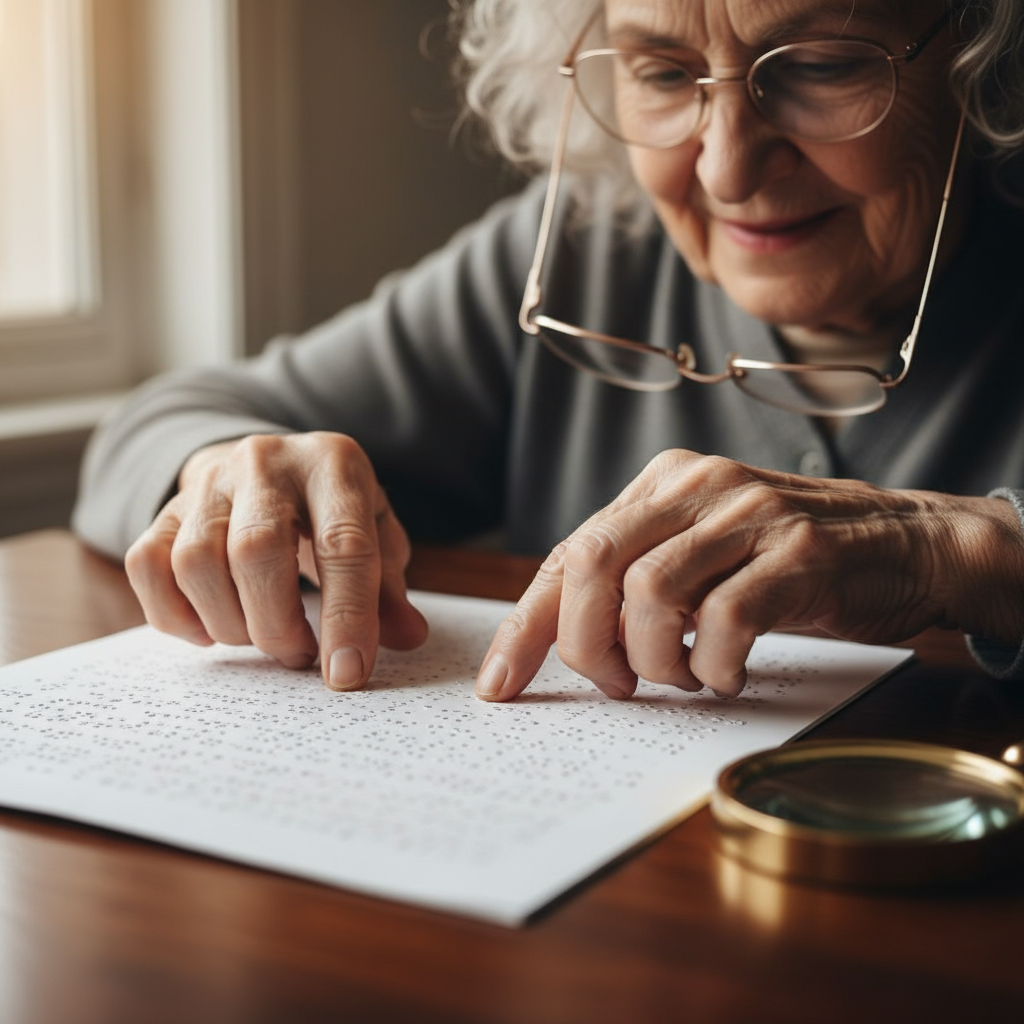
It kind of puts your own petty frustrations about lost reading glasses into perspective, doesn’t it? This isn’t just about inconvenience; it’s about a fundamental rewiring of how you interact with your life, your art, your loved ones. She’s adapting, sure, because that’s what resilient humans do, but it doesn’t make the reality any less sharp. She’s still working, still choosing projects, which just speaks volumes about her dedication and passion. That’s the real story here-the unyielding spirit against a progressively limiting condition.
Beyond the Limelight – A Human Story
Here’s where it gets interesting, or maybe just incredibly poignant. We often place celebrities on pedestals, right? We see them as larger-than-life, immune to the mundane struggles that plague us common folk. But then something like this happens, and it’s a stark reminder that beneath the accolades and the talent, there’s a human being experiencing very real, very difficult challenges. Challenges that many of us, or our parents or grandparents, might eventually face too.
“It’s a profound, personal admission of a fundamental shift in how she experiences the world, how she connects with people.”
Maintaining Her Craft
How does a performer of her caliber continue to work when such a crucial sense is compromised? It’s a testament to her memory, her preparation, and her unwavering love for what she does. She relies on others to read scripts to her, to help her learn her lines through sheer auditory repetition. It’s a remarkable adaptation, isn’t it? It means every performance now carries an extra layer of effort, an invisible uphill battle that she just… tackles.
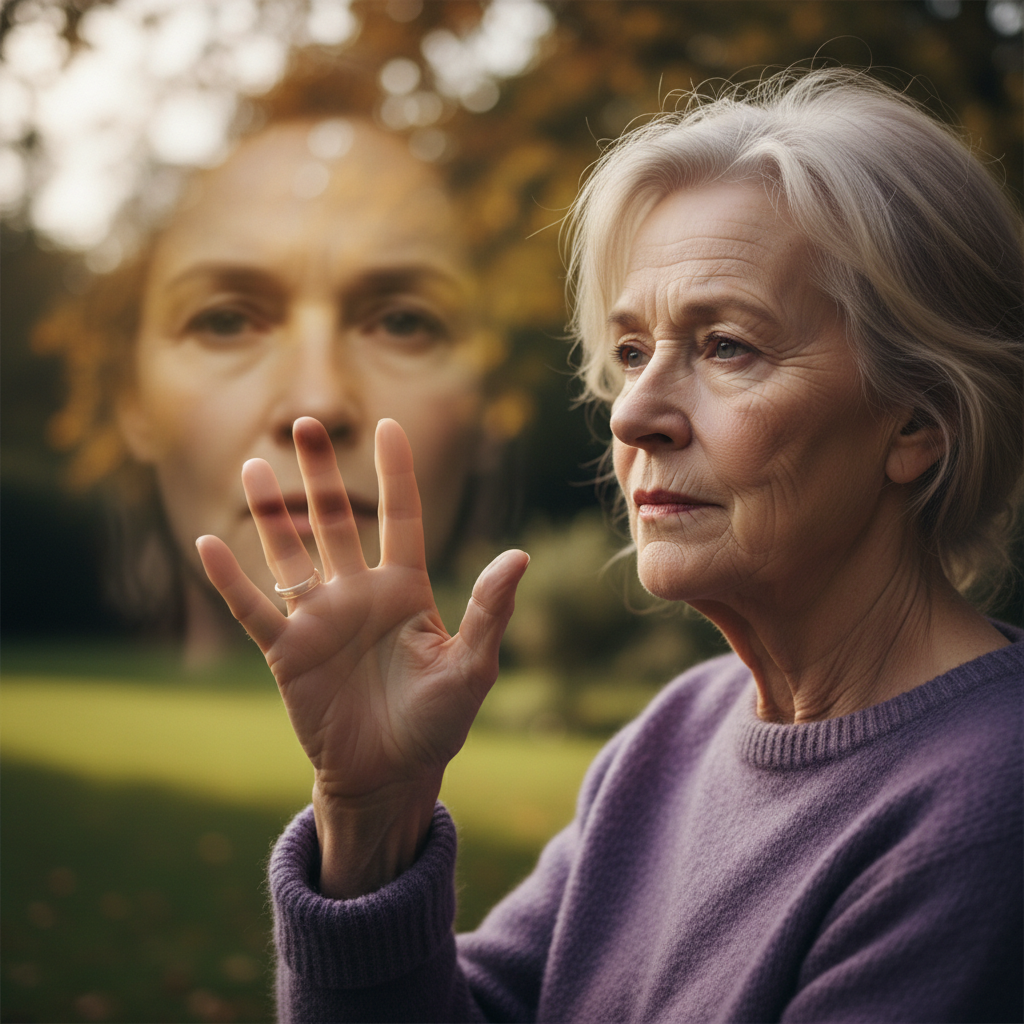
And let’s not forget the emotional toll. Imagine living in a world where familiar faces become indistinct blurs. The feeling of missing out on visual cues, the little non-verbal communications that make up so much of human interaction-it must be a constant, subtle heartache. Yet, she speaks about it, not with self-pity, but with a kind of practical frankness, almost like she’s just stating a fact of her current existence.
The Power of Adaptation and Resilience
This isn’t just about a sad story, though. It’s also about incredible resilience. Judi Dench isn’t retreating from life or from her career. She’s facing this head-on, finding new ways to experience and engage with the world. That’s pretty inspiring, frankly. It makes you think about all the other silent battles people are fighting, and how often a shift in perspective, or a different approach, can make all the difference.
What This Means For Us
- Empathy: It’s a powerful reminder to approach people with a bit more understanding. You never really know what someone else is going through, do you?
- Appreciation: It makes you stop and actually see the faces around you. Really look at them. Appreciate the details you might otherwise overlook.
Her openness about this condition is also crucial. It destigmatizes it. It puts a famous, recognizable face (or, rather, a famous voice for those who can’t see the face) on a condition that affects millions of people worldwide. It brings it into the everyday conversation, making it less of a hidden struggle and more of a shared experience. That’s a good thing, a really good thing.
So, when you next think of Judi Dench, don’t just remember the formidable actress or the elegant dame. Remember the woman who, despite losing the ability to see the very faces of those she loves, and the nuanced expressions vital to her craft, continues to forge ahead. She continues to act, to live, to share her experience with a candid honesty that is, frankly, breathtaking. It’s a testament to the human spirit, isn’t it? A pretty powerful one, at that. It shows us that even when the visual world dims, inner light and passion can still blaze fiercely.