
Japan’s Hired Hearts: Real Love or Rental Lie?
Imagine this: you’re planning your wedding in Japan, a joyous occasion, right? Except your estranged father-in-law won’t show. Or maybe you’re a single parent, and your child desperately wants to make friends at school, but needs a “full family” presence at a PTA event. What do you do? Well, if you’re in Japan, and you’re feeling a bit stuck, you might just hire someone to play the part. Not an actor in a play, mind you, but an actual person to step into your life, if only for an afternoon, as a stand-in relative or friend. It sounds wild, doesn’t it? Almost like something out of a futuristic movie, but this is actually a well-established, thriving industry in Japan, and it’s far more nuanced than just a simple transaction.
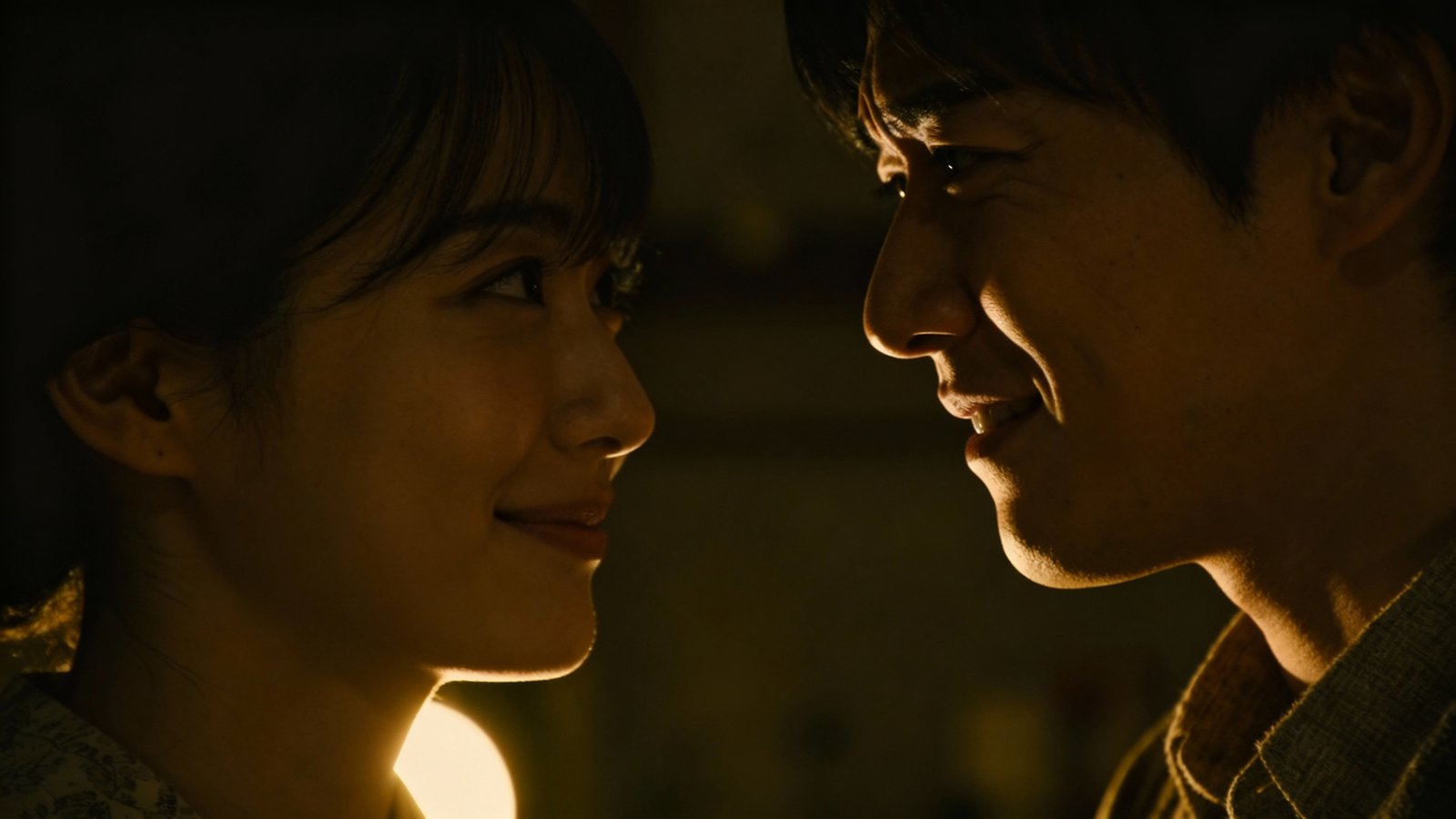
We’re talking about rental families, rental friends, even rental partners-for-hire that fill voids in people’s lives for a fee. It’s not about emotional manipulation-or at least, it’s not supposed to be-it’s about providing a service. A solution, really, to some deeply ingrained societal pressures and personal loneliness. And a recent film, ‘Rental Family,’ actually takes a pretty fascinating, non-judgmental look at this whole phenomenon, which, frankly, I think we all could use a bit more of. Because instead of gawking or judging, it tries to understand.
Beyond Appearances- What’s Really Going On?
Now, you might think this is all very superficial, a show for public consumption only. And yes, sometimes it absolutely is. People hire a “family” for weddings, for instance, just to maintain appearances or avoid awkward questions about missing relatives. It’s a face-saving measure, a way to navigate the often-rigid social expectations that exist in Japanese society. The pressure to conform, to present a certain image, it’s immense there, far more than what many of us in the West might experience on a daily basis. So, if hiring a fake uncle prevents endless gossip or discomfort, for some, it’s a small price to pay.
The Loneliness Epidemic and Social Scarcity
But here’s the kicker- it’s often much more than just putting on a show. Dig a little deeper, and you find a poignant intersection of modern isolation and a shrinking support network. Japan, like many developed nations, is grappling with an increasing sense of loneliness. People are moving away from traditional family structures, marriage rates are declining, and social ties can feel stretched thin. This isn’t just about being alone; it’s about the absence of crucial social roles. Think about it:
- The Missing Parent: A single mother might hire a “father” to attend a school event, not to fool anyone, but to give her child the experience of having both parents present, even if it’s just for an hour. It provides a sense of normalcy, a shared memory.
- The Confidante: Sometimes, people just need someone to talk to, someone impartial. Rental friends or family members can offer a listening ear without judgment, something that might be hard to find in their own over-burdened circles. It’s a bit like therapy, I suppose, but dressed up as friendship.
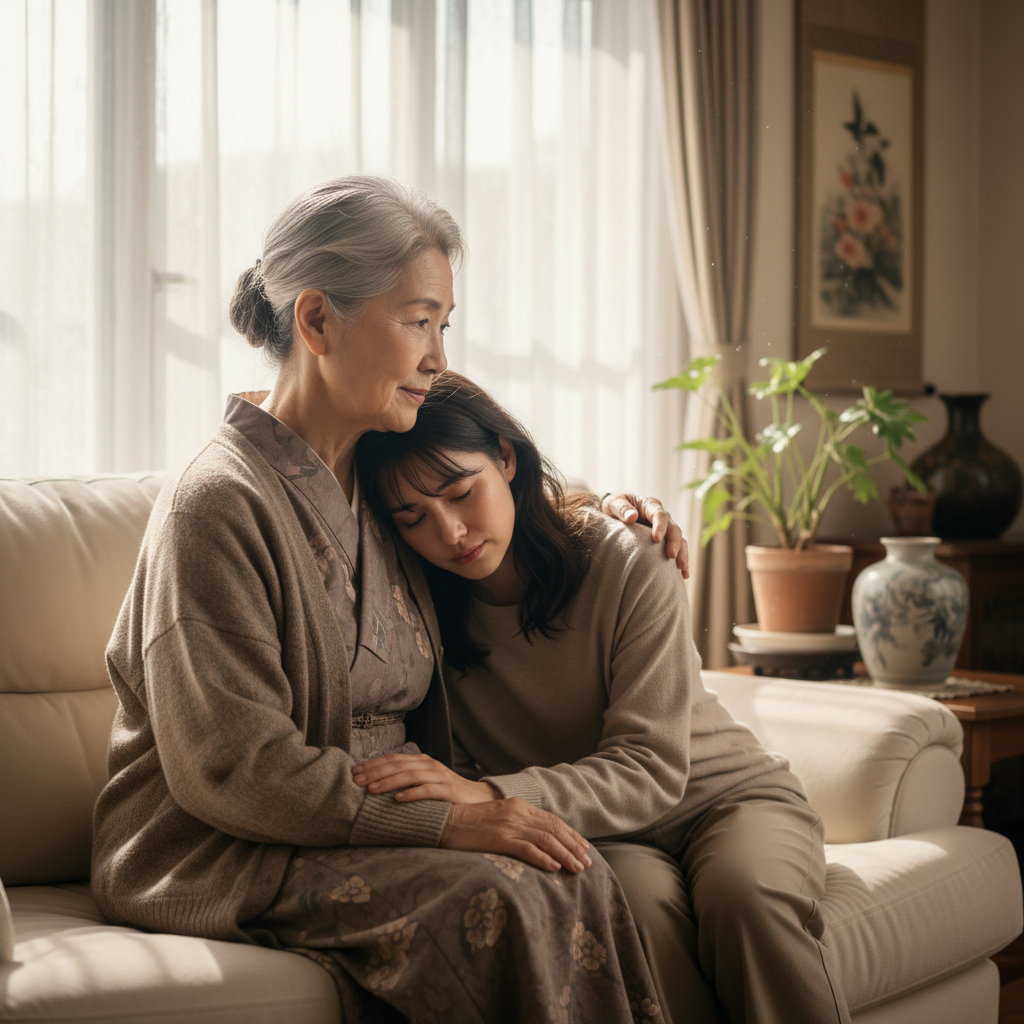
It’s not about replacing genuine relationships, not really, but augmenting them, or filling in gaps that society or personal circumstances have created. It’s a very pragmatic, if emotionally complex, solution to a growing problem.
“It’s a testament to human ingenuity- or desperation, depending on your perspective- to create a service that literally sells human connection.”
The Emotional Labor and Ethical Tightrope
This isn’t just about actors delivering lines. The people who perform these roles- they’re not just showing up; they’re engaging in deep emotional labor. They have to be empathetic, quick-thinking, and incredibly adaptable. They might have to offer comfort, scold gently, play the doting grandparent, or even act as a stern mentor, all tailored to the client’s very specific, sometimes unspoken, needs. It’s a delicate dance, balancing the role-play with genuine human interaction. Because even if it’s hired, the emotions involved are often very, very real, at least for the client.
Navigating Authenticity- Where Do the Lines Blur?
This is where it gets really interesting, and frankly, a bit blurry. How do you maintain professional distance when you’re being paid to act like someone’s loving uncle? Or a best friend? The ‘Rental Family’ film, from what I gather, explores this quite well- the human element of these transactions. The providers of these services often develop real, albeit temporary, bonds with their clients. And the clients, in turn, can sometimes begin to confuse the performance with genuine affection.

It raises some fascinating ethical questions, doesn’t it? Like, what happens when a client starts to rely too heavily on these hired relationships? Or when a “rental” person genuinely starts to care? It’s not a simple escort service, nor is it strictly therapeutic. It exists in this fascinating, often uncomfortable, grey area. I mean, imagine going home after a day of being someone else’s father- or spouse- how does that impact your own sense of self, your own relationships?
The Global Ripple- Is This Our Future?
While this industry is particularly prominent in Japan, don’t think for a second it’s entirely unique to them. The underlying drivers- loneliness, societal pressure, the search for connection- these are universal human experiences. As our own societies become increasingly individualized, as traditional support systems fray, and as people spend more and more time online, decoupled from face-to-face interaction, you have to wonder if these kinds of services are just a sign of things to come, everywhere.
Understanding, Not Judging
What I think is crucial here, and what a film like ‘Rental Family’ seems to emphasize, is the importance of understanding rather than immediate judgment. It’s easy for us on the outside to look at this and think it’s weird, or sad, or even deceptive. But for every person hiring a fake family member, there’s a reason. There’s a story. There’s a need that isn’t being met through conventional channels. It could be due to shame, or social anxiety, or simply the harsh realities of modern life.

This isn’t to say it’s without its complexities or potential pitfalls. Anytime you introduce money into human connection, things get complicated. But it forces us to confront some uncomfortable truths about human nature and the kind of connections we actually crave. Are these bonds real or merely performed? Well, for the person experiencing them, the feelings generated, for that moment, might just be as real as any other. It’s a temporary balm for a chronic ache, a stand-in for something that’s genuinely missing.

Ultimately, Japan’s “hired hearts” industry is a fascinating, if sometimes melancholic, reflection of our evolving social needs. It’s a poignant testament to how far people will go, and what they will pay, to feel a sense of belonging, to project an image of normalcy, or simply to alleviate the profound ache of loneliness. It makes you wonder, doesn’t it, about the future of human connection everywhere else. Are we so different, really?