
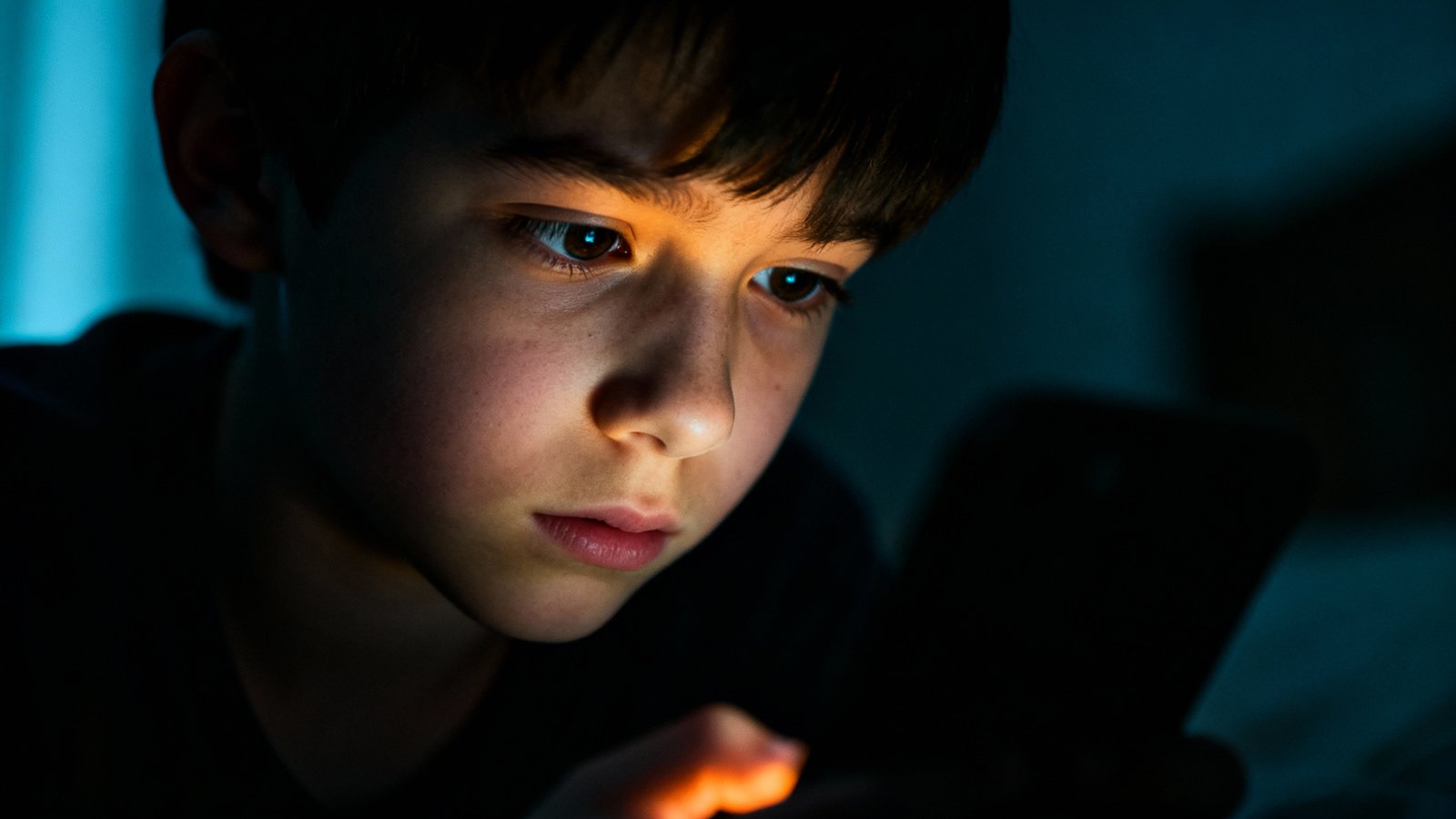
So, We Knew This, Right? But Now There’s Science.
Look, I’m not gonna lie. When I first saw the headline – something about social media and kids’ attention spans – my first thought was, “Duh.” I mean, seriously. You don’t need a PhD to notice a kid who can’t sit still for five minutes but can binge-watch YouTube Shorts for two hours straight. It’s a pattern, a really obvious one, that’s been playing out in living rooms and playgrounds for, what, a decade now? But now we have the actual data, the hard science, backing up that gut feeling.
The gist of it, from what I’m reading, is that kids who spend more and more time on social media? They’re developing these “inattention symptoms.” Think about it. That’s a fancy way of saying they’re having trouble focusing. Trouble concentrating. Getting distracted easily. And it’s not like it’s a small jump. This was big. Really big. We’re talking about a real, measurable impact. It’s not just a phase. It’s a trend, and frankly, it’s a terrifying one.
And it makes perfect sense, doesn’t it? Social media is literally designed to hook you. To keep your brain buzzing, jumping from one shiny thing to the next. A quick video, then a picture, then a comment, then a notification. It’s like a constant, never-ending fireworks show in your brain. How is any kid – or adult, let’s be real – supposed to then sit down and read a book for an hour? Or do math homework? Or, heaven forbid, just have a quiet conversation without looking at their phone every three minutes?
It’s Not Just “Kids Being Kids” Anymore
We used to say that. “Oh, kids are just energetic.” “They’ll grow out of it.” But this isn’t that. This isn’t just a kid with a lot of energy. This is a brain that’s been rewired, basically. Constantly seeking novelty, constantly needing that hit of dopamine that comes from a new like or a new scroll. And when that hit isn’t there, when the world slows down to a normal human pace, it feels… boring. Unbearable, even.
I mean, who cares about the nuanced plot of a classic novel when you can get a new dance challenge every 30 seconds? Who cares about deep thinking when you can get instant gratification? That’s the insidious part of it all. It doesn’t just distract them; it fundamentally changes what their brains expect from the world.
Is It Just Social Media, Though?
Okay, so here’s the thing. While this research focuses on social media, you gotta wonder, right? Is it just the scrolling apps? Or is it screens in general? All the fast-paced video games, the YouTube rabbit holes, the streaming shows that jump cut every two seconds? It’s probably a combination, if I’m being honest. But social media, with its constant social pressure and never-ending feed, seems like a particularly potent cocktail for attention issues.
Because it’s not just about consuming content; it’s about performing, reacting, comparing. It’s a whole other layer of cognitive load on a developing brain. And that’s what really gets me. We’re basically handing our kids these super-powered distraction machines and then wondering why they can’t focus in school. It’s like giving someone a sugar IV drip and then asking why they can’t appreciate a plain apple. The apple just doesn’t hit the same anymore.
“The problem isn’t just that they’re distracted. It’s that their brains are learning to crave distraction.”
The Meat of It: What Are We Actually Doing?
So, we’ve got the research. We’ve got our gut feelings confirmed. Now what? Because this isn’t some abstract problem for “other people’s kids.” This is happening in your house, in my house, everywhere. And frankly, we’re all a bit complicit, aren’t we? We use these devices as babysitters sometimes. As peacekeepers. As a way to just get five minutes of quiet.
But those five minutes of quiet? They come at a cost. A real cost to our kids’ developing brains. To their ability to learn, to socialize meaningfully, to just be present. And it’s not just about ADHD diagnoses, though I bet those numbers are gonna keep climbing. It’s about a generation that’s growing up fundamentally wired differently, less equipped for sustained effort and deep thought.
And I hear the arguments, I really do. “It’s how kids communicate now!” “You can’t shield them from everything!” And yeah, I get it. It’s a brave new world and all that. But there’s a difference between adapting to new tech and letting new tech hijack the basic operating system of our children’s minds. There has to be a line, right?
What This Actually Means
Here’s my honest take: This research isn’t just a fun little tidbit for the morning news. It’s a flashing red light. A blaring alarm. It’s telling us, unequivocally, that we’ve let things go too far. And it’s not just about limiting screen time – though that’s a huge, messy, painful part of it. It’s about rethinking our entire relationship with these devices, as parents and as a society.
We need to create environments where attention is valued, where boredom is allowed, where deep engagement with one thing at a time isn’t a foreign concept. It’s gonna be hard. Really hard. Because these platforms are built to be addictive, and they’re everywhere. But if we don’t start pushing back, if we don’t start protecting our kids’ attention spans like they’re a precious, non-renewable resource, then we’re going to raise a generation that literally can’t focus on anything. And honestly? That’s a future I don’t even want to think about.