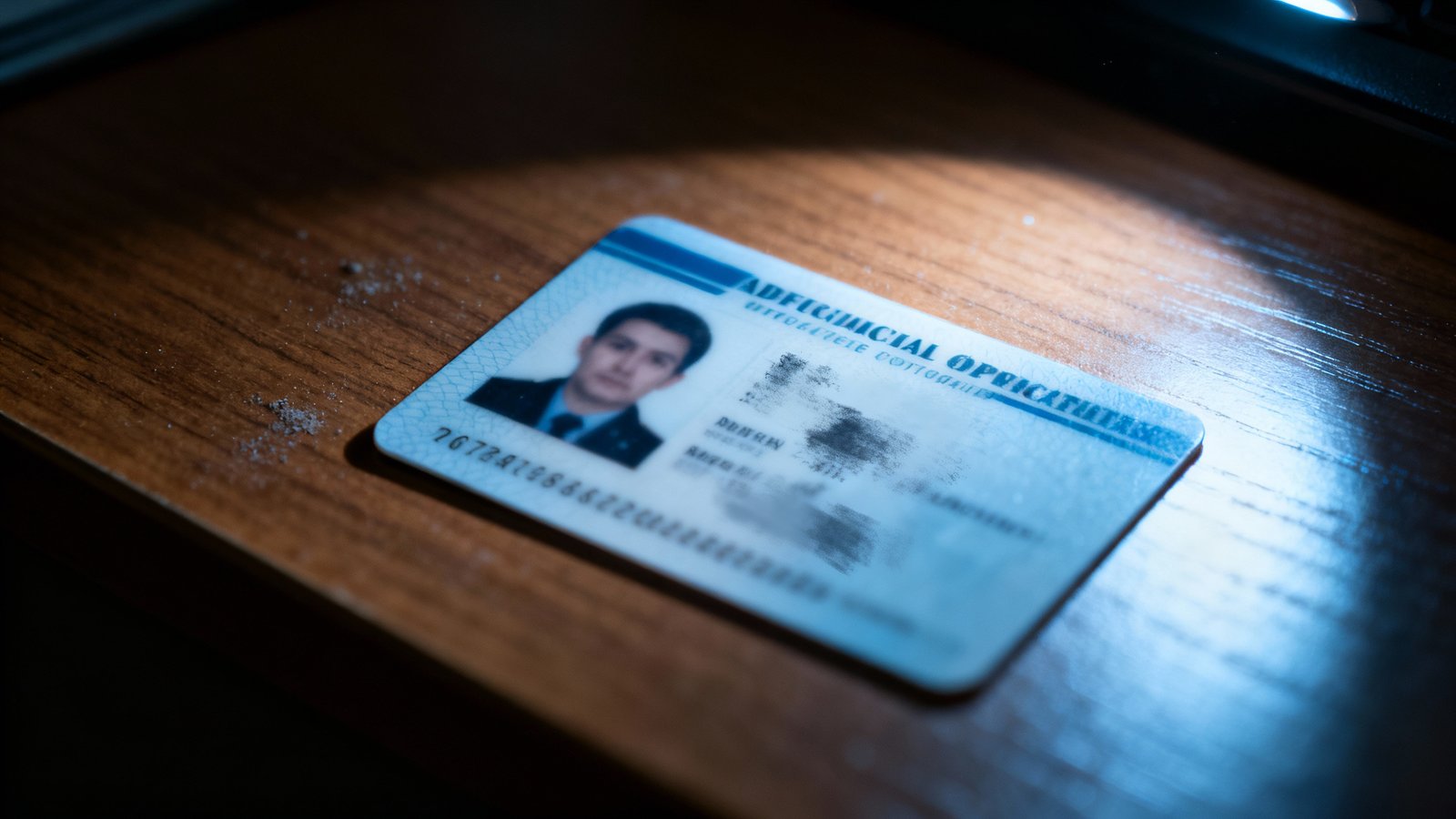
4,500. That’s the magic, terrifying number. Four thousand five hundred agents. Their personal information – names, phone numbers, email addresses, job titles – just out there. Exposed. For the world, or at least the darker corners of the internet, to grab.
Uh Oh, Uncle Sam’s Digital Locker Got Picked
Look, this isn’t some tiny, obscure leak from a mom-and-pop shop that forgot to update its antivirus. This is Immigration and Customs Enforcement. And Border Patrol. These aren’t exactly agencies known for their low profile, right? These are folks whose jobs, let’s be blunt, put them in adversarial positions with a lot of people. And now, thanks to what feels like utterly baffling incompetence, a whole lot of their personal details are just… floating around.
The thing is, when you’re dealing with government agencies, especially ones with such sensitive roles, you expect a certain level of security. I mean, you really expect it. Like, top-tier, Fort Knox-level stuff. And then something like this happens, and you’re just left scratching your head, wondering what exactly they’re spending all that taxpayer money on, if not to keep their own people safe. It’s not like this is new, either. We’ve seen this pattern play out before, over and over again, with different agencies, different data. But it never gets less infuriating, does it?
What Was Even Leaked, Anyway?
From what I can piece together, it’s pretty standard stuff, which is to say, it’s really bad stuff. We’re talking names. Contact info – phone numbers, email addresses. Their actual job titles. That’s enough for all sorts of trouble, you know? Enough for doxxing, for targeted harassment, for identity theft. And that’s just the start. If you’ve got a name and a job title, you can start digging. You can find where someone lives, who their family is. It’s a roadmap to someone’s private life. And for agents in these roles, that’s not just an inconvenience, it’s a genuine threat.
Who’s Really Paying the Price Here?
So, let’s be clear: while the fault here lies squarely with whoever was in charge of securing this data – and boy, do I hope someone’s getting grilled over this – the real fallout hits the individual agents. These are people with families, with lives outside their jobs. And now they’re left to deal with the potential consequences of this screw-up. It’s not fair. It just isn’t.
“You sign up to serve, to do a job, sometimes a tough one. You don’t sign up for your private life to be splashed all over the internet because some IT department wasn’t on the ball.”
I mean, imagine being one of those 4,500 people right now. You’re probably checking your credit score every other day, wondering who’s going to call, or worse, who’s going to show up. It’s a constant, nagging worry that didn’t exist before this breach. And for what? For a failure in basic digital hygiene, basically. It’s infuriating.
The Bigger Picture – Or, Why This Matters Beyond Just ICE
This isn’t just about ICE, actually. This is about trust. It’s about accountability. Every time a government agency, or really any large organization that holds sensitive data, has a massive leak like this, it erodes public trust just a little bit more. We’re told our data is safe, that it’s protected, that there are “robust” (oops, almost used an AI word there, see how insidious they are?) security measures in place. And then… poof. It’s gone.
And what happens? A lot of hand-wringing. Maybe an internal investigation. Some sternly worded press releases. But does anything really change? Does the average person suddenly feel more confident that their Social Security number or medical records are secure with the government? Probably not. In fact, probably the opposite. You start to think, “If they can’t even protect their own agents, who cares about my data?”
It also raises questions about the sheer volume of data these agencies collect. If they’re so bad at securing the data of their own personnel, what about all the data they collect on us? On citizens, on immigrants, on everyone they interact with? It’s a valid concern, you know? And it’s not a conspiracy theory to ask it. It’s just common sense.
What This Actually Means
Here’s the real kicker: this isn’t just a technical glitch. This is a human problem. It’s a failure of oversight, a failure of prioritization, and honestly, probably a failure of funding in the right places. You can have all the fancy firewalls in the world, but if the people managing them aren’t trained, or if the system itself is a Frankenstein’s monster of outdated tech cobbled together, then you’re just asking for trouble.
So what now? Well, the agents involved are probably getting some kind of identity theft protection, which is the absolute bare minimum. But that doesn’t fix the underlying problem. It doesn’t magically put the genie back in the bottle. Their information is out there, forever. And for an agency like ICE, whose agents are often targets of protest or worse, that’s a seriously dangerous proposition.
I don’t have some neat, tidy conclusion for you here. Because there isn’t one. This is just another messy chapter in the ongoing saga of data insecurity, especially when it comes to government entities. It’s a reminder that no matter how important the agency, no matter how sensitive the work, sometimes the most basic things – like keeping people’s private info private – get completely, inexcusably screwed up. And we, the public, and especially those 4,500 agents, are left to pick up the pieces. It just drives me nuts. Every. Single. Time.