
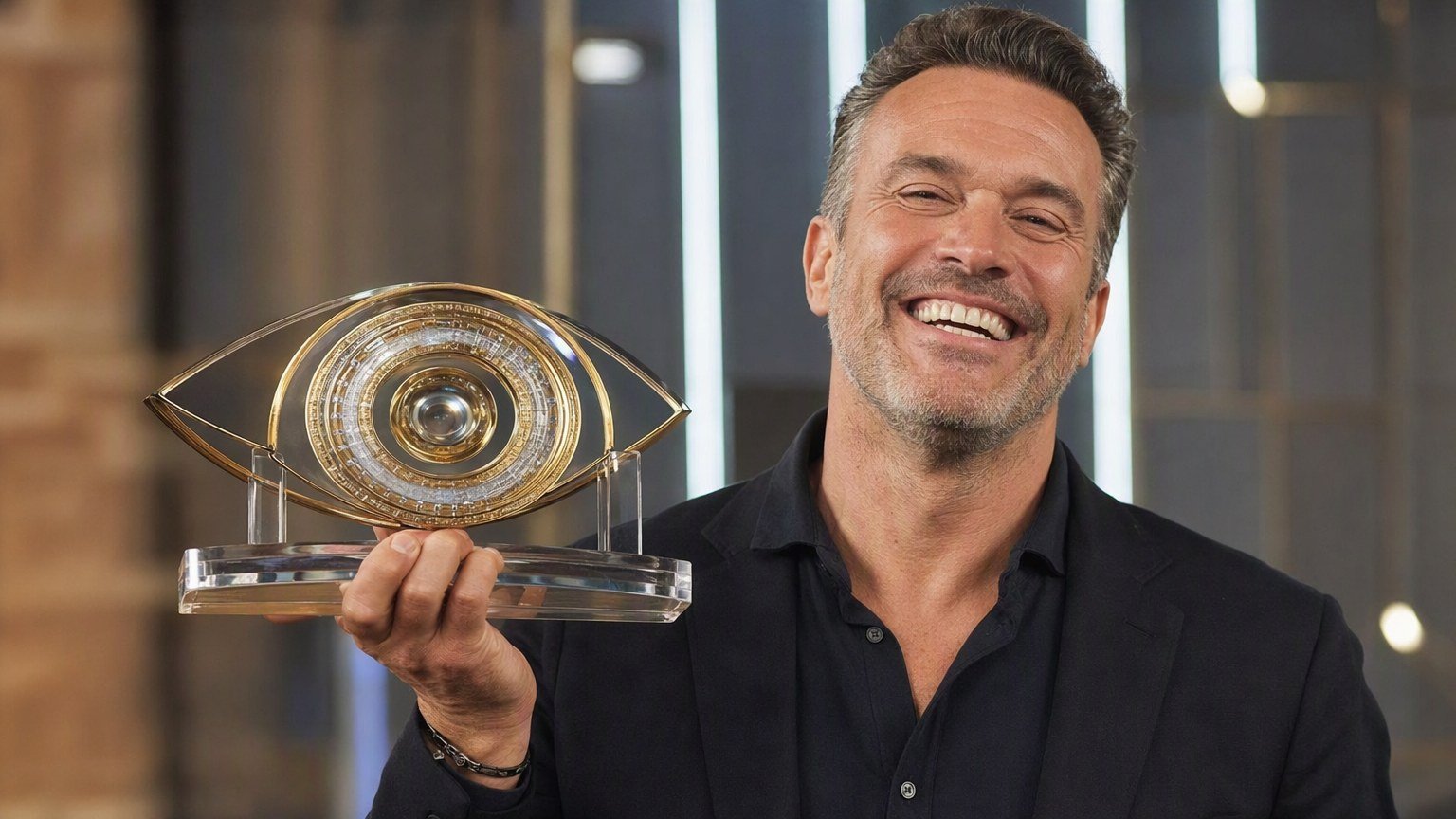
Third time’s the charm, apparently. Rick Devens went 0-for-2 on Survivor – twice voted out, twice sent home with nothing but a torch snuff and some hard lessons – and then turned around and won Big Brother 28 outright. Not a close call either. The guy walked into that house, as he put it, and actually used the failure. Which, if you think about it, is kind of the opposite of how most people handle getting humbled on national television twice.
So What Actually Changed?
Devens, 42, sat down with Us Weekly right after the season 28 finale aired Thursday, October 1, and didn’t waste time getting into the “why.” His answer wasn’t some canned reality TV platitude about “trusting the process.” He actually broke down what went wrong on Survivor and how he fixed it for Big Brother, which, not gonna lie, is more self-aware than most people get after one failed attempt, let alone two.
“I think it’s from the things I’ve learned on Survivor,” Devens told Us. “A lot of the time, I led with my heart, and you have kind of more freedom on Survivor to kind of come up with clever things.”

Here’s the thing about Survivor though – it rewards chaos. It kind of has to, because you’re stuck on a beach with ten strangers and a machete, and the game basically dares you to get cute with idols and crazy blindsides. Big Brother is different. You’re locked in a house with the same people for weeks, sometimes months, and there’s nowhere to hide from the social fallout of a bad move. Devens figured that out, apparently the hard way, and it clearly stuck with him.
The Idol Problem
This part of his answer is the one that actually got me. Devens admitted, “Maybe I spent too much time hiding idols at Tribal Council and searching for hidden immunity idols and should have been playing the social and strategic game harder because in the Big Brother house, like, I really worked hard to develop these relationships.”
I mean, how often do you hear a Survivor alum basically say “yeah, I was too obsessed with the shiny trinket game and not focused enough on just… being likable and trustworthy”? That’s a pretty blunt admission. And it tracks. Survivor players get so wrapped up in idol-hunting and the mechanical side of the game that the human element – the actual relationships that determine jury votes – sometimes gets treated like an afterthought. Devens basically said he flipped that priority on its head for Big Brother, and leaned all the way into relationship-building instead of gimmicks.
Does Playing With Your Heart Actually Work?
Devens also pointed out that because he’d built such strong connections inside the house, he had more freedom to actually play the game the way he wanted. Which sounds almost backwards if you’re used to Big Brother logic, where the standard advice is usually “fly under the radar, don’t make waves, don’t let anyone see you coming.” Devens seems to have done the opposite – built real trust first, then used that trust as cover to make bigger strategic moves later.
“I led with my heart, and you have kind of more freedom on Survivor to kind of come up with clever things.”
That quote above is really the whole thesis of his season, honestly. He’s basically saying Survivor let him be clever but not necessarily smart about people, and Big Brother forced him to be smart about people first and clever second. It’s a subtle distinction, but it’s the kind of thing that separates winners from the folks who get a nice edit and go home in 7th place.
The Julie Chen Factor
Devens’ win didn’t come without some noise, either. Host Julie Chen Moonves has weighed in on the criticism Devens faced throughout the season, which tells you his game wasn’t universally beloved while it was happening – a pretty normal thing for a strategic Big Brother player, if we’re being honest. Big Brother fans love nothing more than picking apart a frontrunner in real time, and clearly Devens caught some of that heat along the way. Winning anyway, after absorbing criticism and getting voted out twice on a different show entirely, says something about how thick his skin got over the years.
What This Actually Means
Losing twice on Survivor could’ve easily turned Devens into one of those reality TV guys who just keeps getting invited back for nostalgia points, never actually winning anything, forever “the guy who almost had it.” Instead he took two rounds of failure, actually sat with what went wrong, and recalibrated for a completely different game with completely different rules. That’s rarer than it sounds. Most people either blame the edit, blame the other players, or just chalk it up to bad luck and move on without changing a thing.
Devens didn’t do that. He named the specific habit – overvaluing idols, undervaluing relationships – and then built his entire Big Brother strategy around correcting it. Whether that’s a repeatable formula for other failed Survivor players chasing a Big Brother redemption arc, who knows. But it worked for him, and at 42, with two Survivor losses behind him, he’s now got a Big Brother title that neither of those seasons could give him. Not a bad trade, honestly.