Last Week Tonight’s John Oliver just pulled off what might be the most wholesome flex in recent television history. He managed to raise over $1.5 million for PBS by auctioning off Bob Ross paintings, and honestly, the whole thing feels like some kind of beautiful fever dream where corporate satire meets genuine do-goodery.
Here’s the thing – Oliver’s been going after those Bob Ross documentary guys for a while now. You know the ones. They made that Netflix doc that basically painted (pun absolutely intended) the beloved painter’s estate handlers as villains who’ve been hoarding his work and fighting over his legacy like it’s some kind of happy little treasure map. So when Oliver decided to hit back, he didn’t just write another segment. He went full nuclear with kindness.
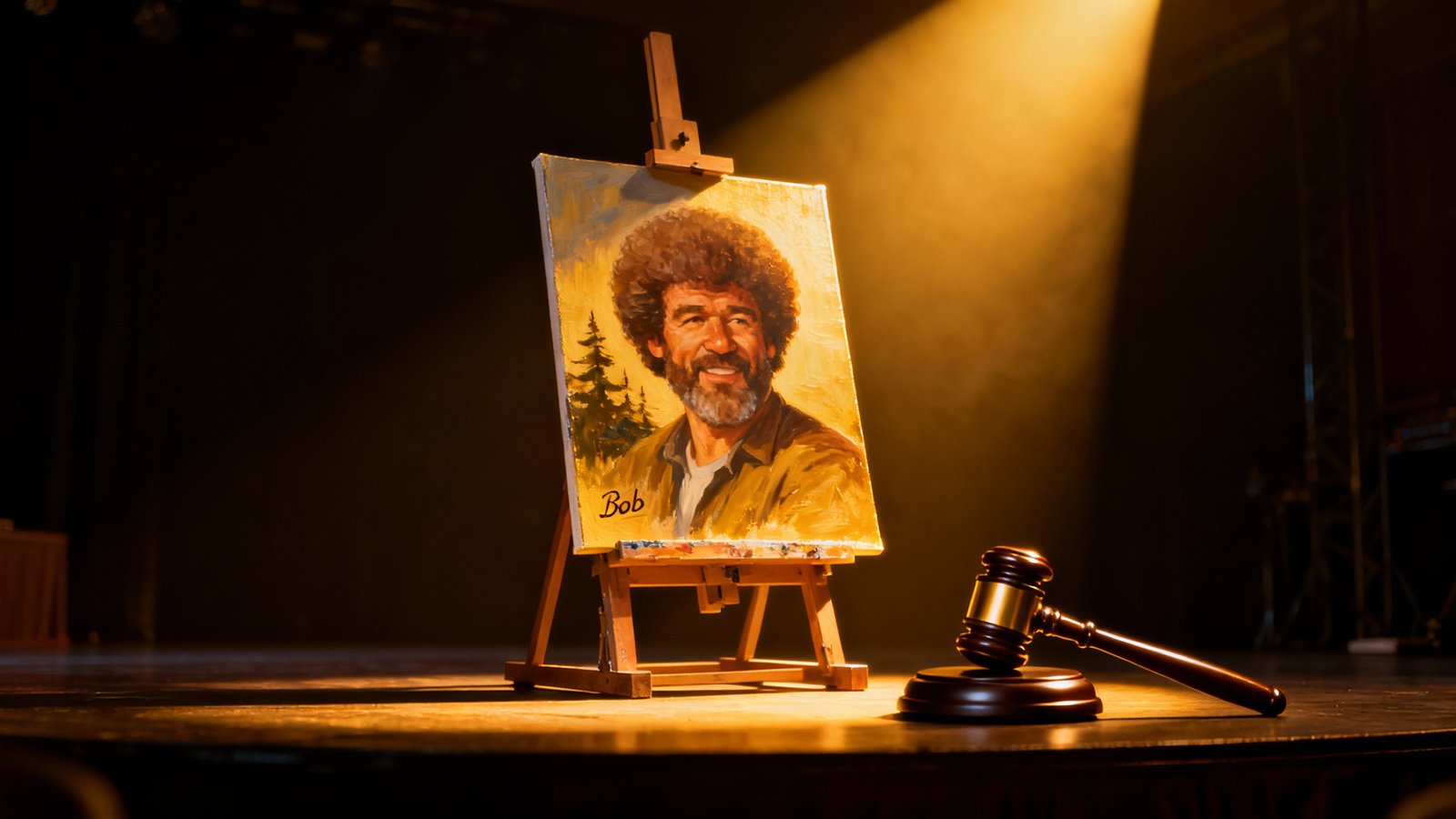
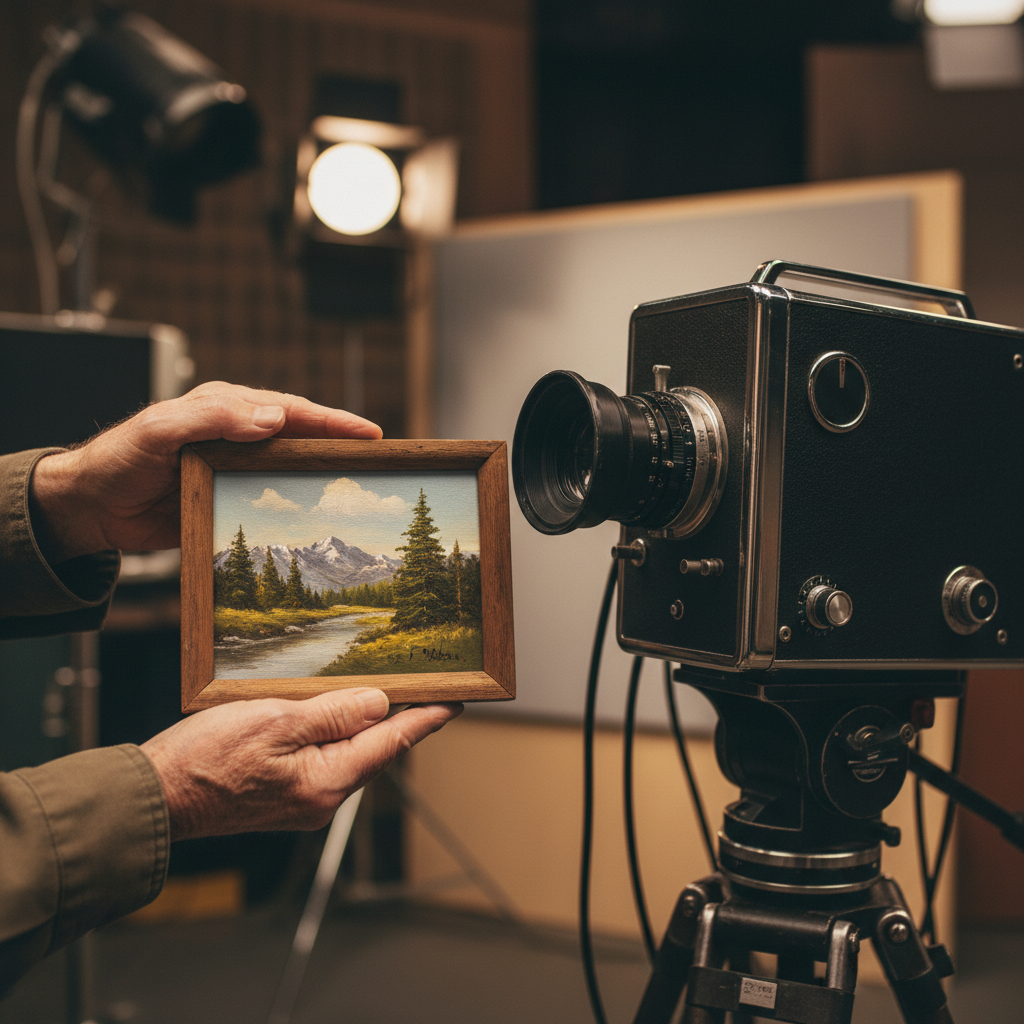
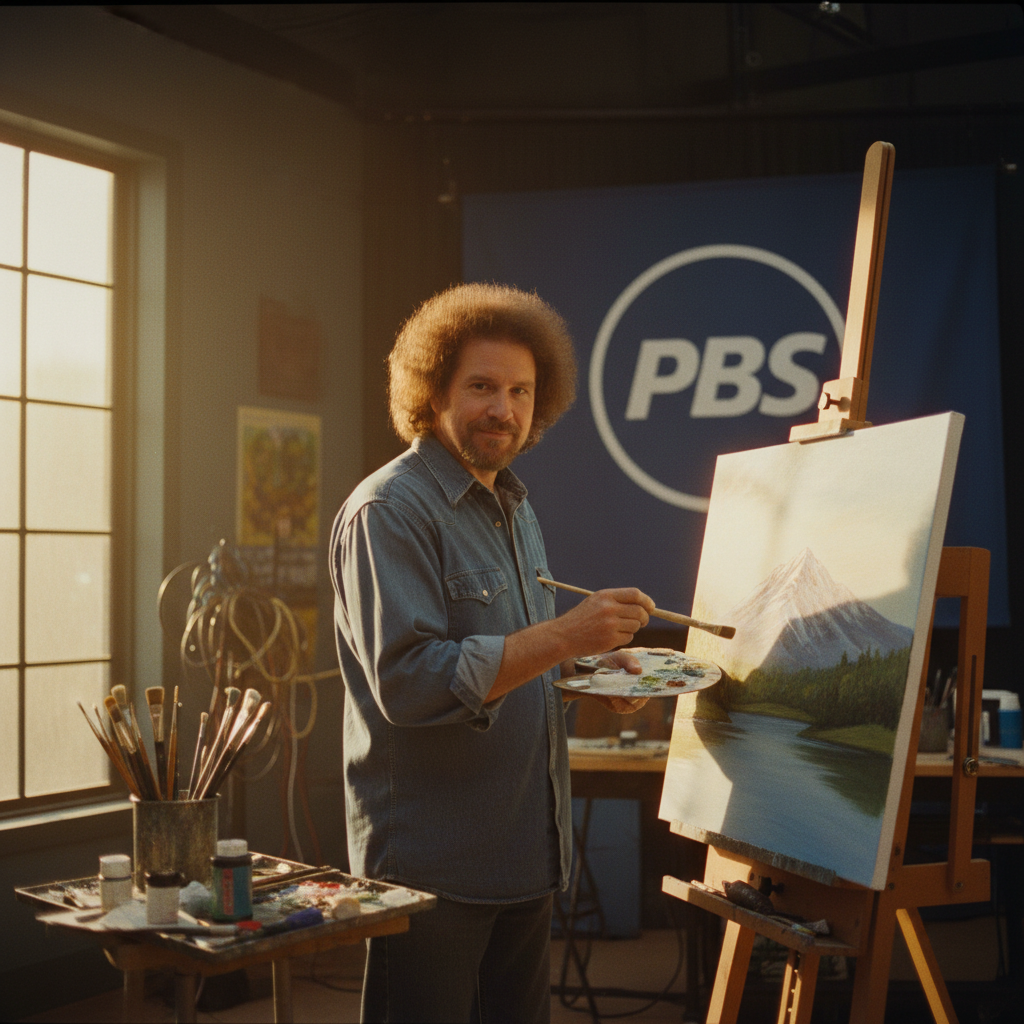
The late-night host somehow got his hands on four original Bob Ross paintings and decided to auction them off, with every single penny going to PBS. Not most of it. All of it. Which is kind of amazing when you think about it.
The Auction That Broke the Internet (In a Good Way)
When the final gavel dropped, the numbers were staggering. We’re talking $1.56 million total, spread across four paintings that Ross created during his PBS days. For context, that’s more money than most PBS stations see in donation drives that last entire months. Oliver basically speedran their fundraising goals.
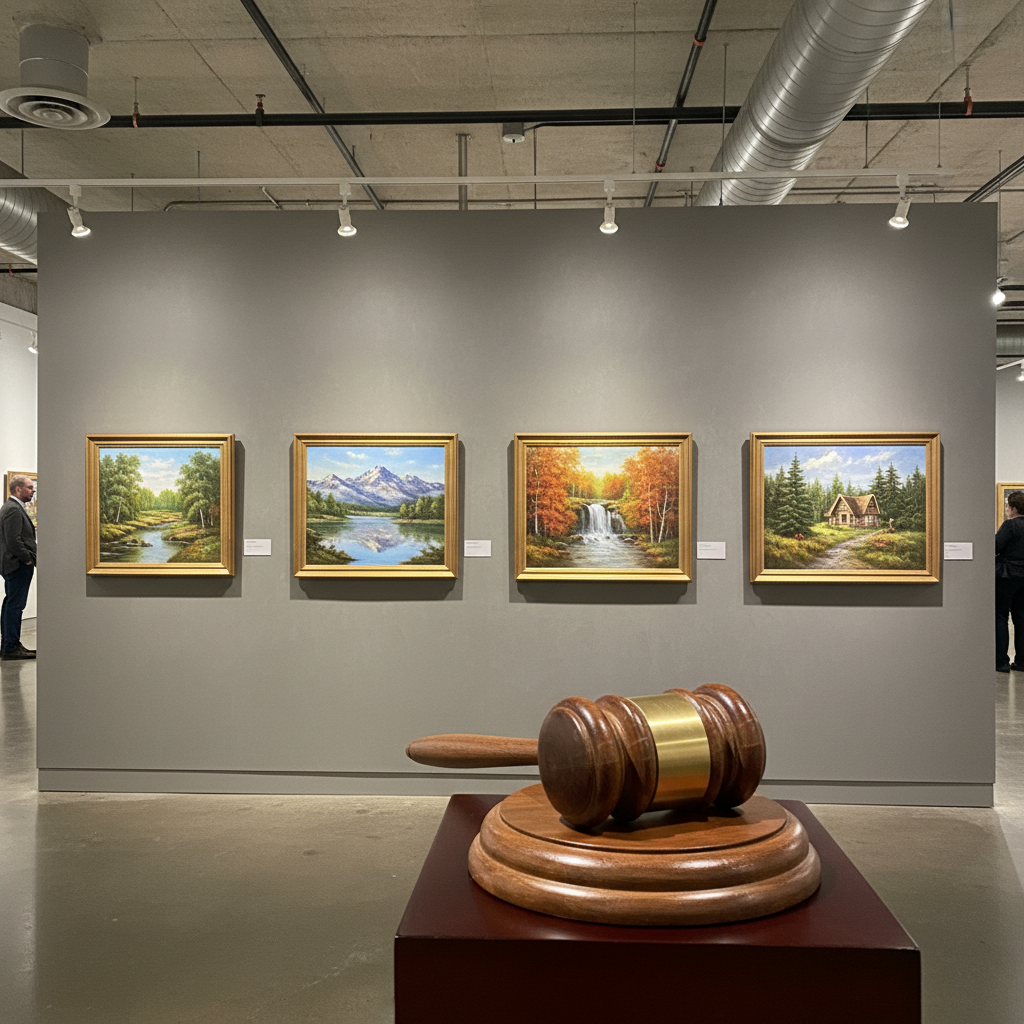
The breakdown gets even wilder when you look at individual pieces. The top seller, a painting called “The West Is Awesome,” pulled in a cool $520,000. Half a million dollars. For a Bob Ross painting. Now, I’m not saying his work isn’t worth that – the man was a legitimate talent and cultural icon – but this is also clearly about way more than just the art itself.
Why These Numbers Actually Matter
PBS has been struggling, let’s be real. Streaming services have been eating everyone’s lunch, and public broadcasting has felt the squeeze harder than most. Federal funding debates pop up every few years like clockwork, and viewer donations can only stretch so far when you’re competing with Netflix’s marketing budget.
So when Oliver drops this kind of cash into their lap? It’s not just helpful, it’s symbolic. Here’s a guy who works for HBO (owned by Warner Bros. Discovery, definitely not hurting for money) using his platform to prop up the public broadcasting system that gave Bob Ross his start. The irony is almost too perfect.
- Strategic timing: The auction came right on the heels of Oliver’s segments criticizing how Ross’s legacy has been managed
- Maximum impact: All proceeds went directly to PBS, no administrative cuts or processing fees
- Cultural moment: It tapped into people’s genuine nostalgia for Ross and anger over corporate greed
The Bob Ross Documentary Fallout (Or: How We Got Here)
You can’t really understand this whole thing without knowing about the Netflix documentary that started it all. “Bob Ross: Happy Accidents, Betrayal & Greed” came out and basically accused the people managing Ross’s estate of being, well, greedy. Shocking title, I know.
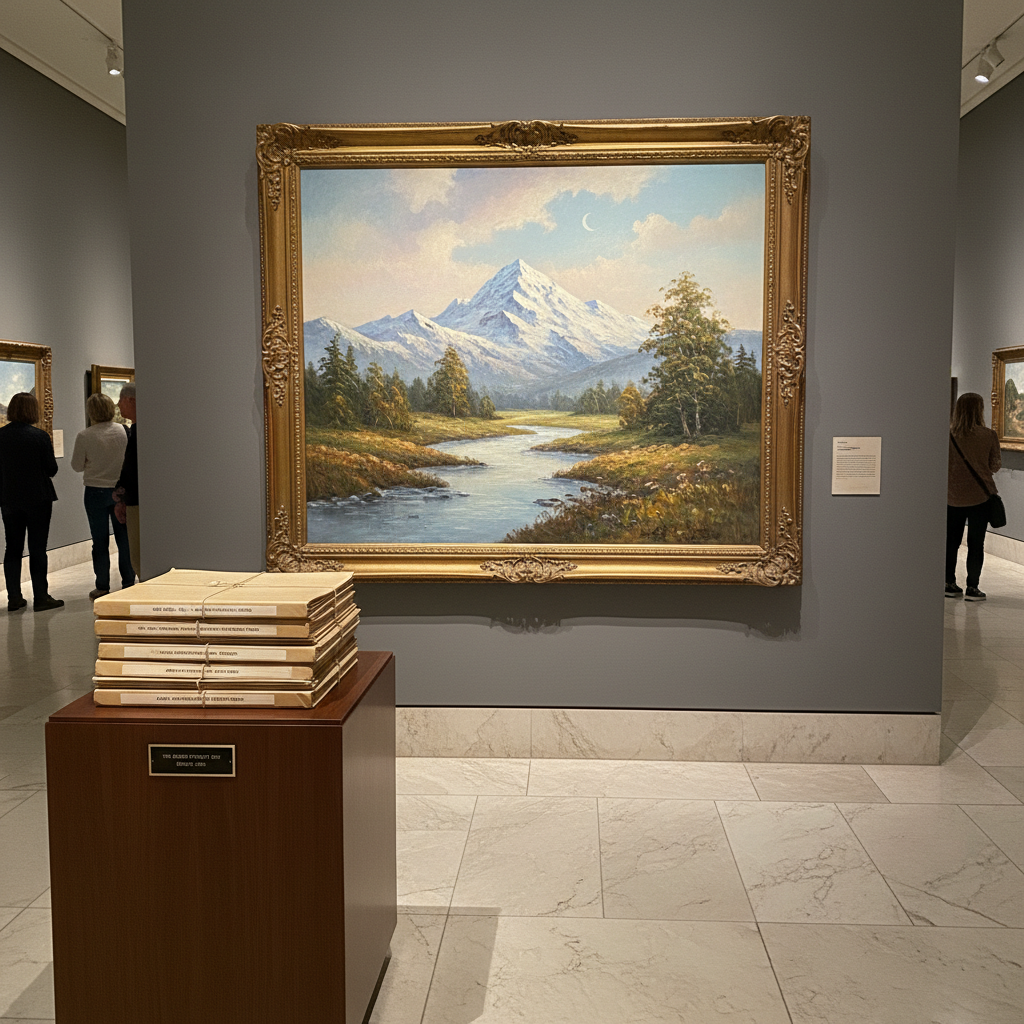
The doc painted a picture (there I go again) of Ross as this gentle soul who got taken advantage of by business partners who swooped in and locked down the rights to his name, image, and artwork after he died. His son and other family members have been shut out, according to the film, while Bob Ross Inc. has turned the painter’s legacy into a merchandising empire.
Oliver’s Take on the Whole Mess
John Oliver didn’t just mention this in passing. He did what he does best – took a deep dive into the weeds of it all, then found the most creative way possible to make his point. Instead of just ranting about corporate greed and IP rights (which, let’s be honest, can get pretty dry), he decided to actually do something.
The paintings he auctioned weren’t just any Bob Ross works. These were pieces created during Ross’s time on PBS, which meant they existed in this kind of legal gray area outside of Bob Ross Inc.’s usual control. It was a perfectly executed end-run around the whole corporate rights issue.
“We wanted to do something that both honored Bob Ross’s legacy and supported the kind of public broadcasting that made him possible in the first place.”
What This Says About Us (And TV)
Look, I think there’s something genuinely interesting happening here that goes beyond just “comedian does nice thing.” The fact that this auction generated so much money and attention says a lot about where we’re at culturally right now.
People are tired of watching beloved figures and institutions get carved up by corporate interests. Bob Ross has become this weird symbol of a gentler time – whether that time actually existed is debatable, but the nostalgia is real. He represented this idea that you could just make art for the joy of it, teach people for free on public TV, and be happy with that.
The Streaming Era Paradox
Here’s where it gets kind of meta. Oliver works for a streaming platform (HBO Max, or whatever they’re calling it this week), and he’s using that massive reach to support traditional public broadcasting. It’s like the new media acknowledging that the old media still matters, still serves a purpose that can’t be replicated by subscription services and algorithms.
PBS gave us Mr. Rogers, Sesame Street, Nova, and yeah, The Joy of Painting. These weren’t shows designed to maximize viewer retention or sell premium subscriptions. They existed because someone decided that educational and enriching content should be freely available to anyone with a TV antenna. That model feels almost quaint now, but maybe that’s exactly why people responded so strongly to this auction.
- Nostalgia factor: Bob Ross represents a specific kind of wholesome content that feels rare today
- Anti-corporate sentiment: People loved seeing someone stick it to IP hoarders
- PBS support: Genuine concern about the future of public broadcasting
The Bigger Picture (No Pun Intended This Time)
So what happens next? Does this one-time fundraising bonanza actually change anything for PBS in the long run? Probably not by itself. $1.5 million is great, but it’s a drop in the bucket compared to PBS’s annual operating costs across all its member stations. The Corporation for Public Broadcasting’s budget runs into the hundreds of millions.
But the attention this generated might matter more than the money itself. It reminded people that PBS exists, that it’s still doing important work, and that it needs support. How many people who followed this story hadn’t thought about PBS in years? How many might actually donate now or tune in to see what they’re missing?
There’s also the precedent this sets. Oliver basically showed that you can turn media criticism into direct action, that outrage can be channeled into something constructive instead of just another Twitter storm that everyone forgets about by Tuesday. Will other entertainers follow suit? It’s hard to say, but the model is there now.
What Bob Ross Would Think
I know it’s cheesy to wonder what Ross himself would think about all this, but I can’t help it. Here was a guy who famously didn’t care much about money or fame, who just wanted to teach people that they could paint, that there are no mistakes, only happy accidents. Would he love that his paintings raised over a million dollars for PBS? Would he be horrified that people were fighting over his legacy?
My guess is he’d probably just shrug, say something about happy trees, and go back to painting. But he’d also probably appreciate that someone was looking out for PBS, the network that gave him his platform and asked for nothing in return except that he keep making people happy.
In a weird way, this whole situation – the documentary, the corporate fights, Oliver’s response – it all proves that Ross’s impact went way beyond just teaching painting techniques. He represented something people still crave: authenticity, gentleness, creativity for its own sake. And if it took a satirical late-night host auctioning off paintings to prove that, well, that’s kind of a happy accident too.
The money will help PBS. The attention might help even more. But mostly, this whole thing reminded us that sometimes the good guys can still win, even if it takes a few decades and a British comedian to make it happen.