
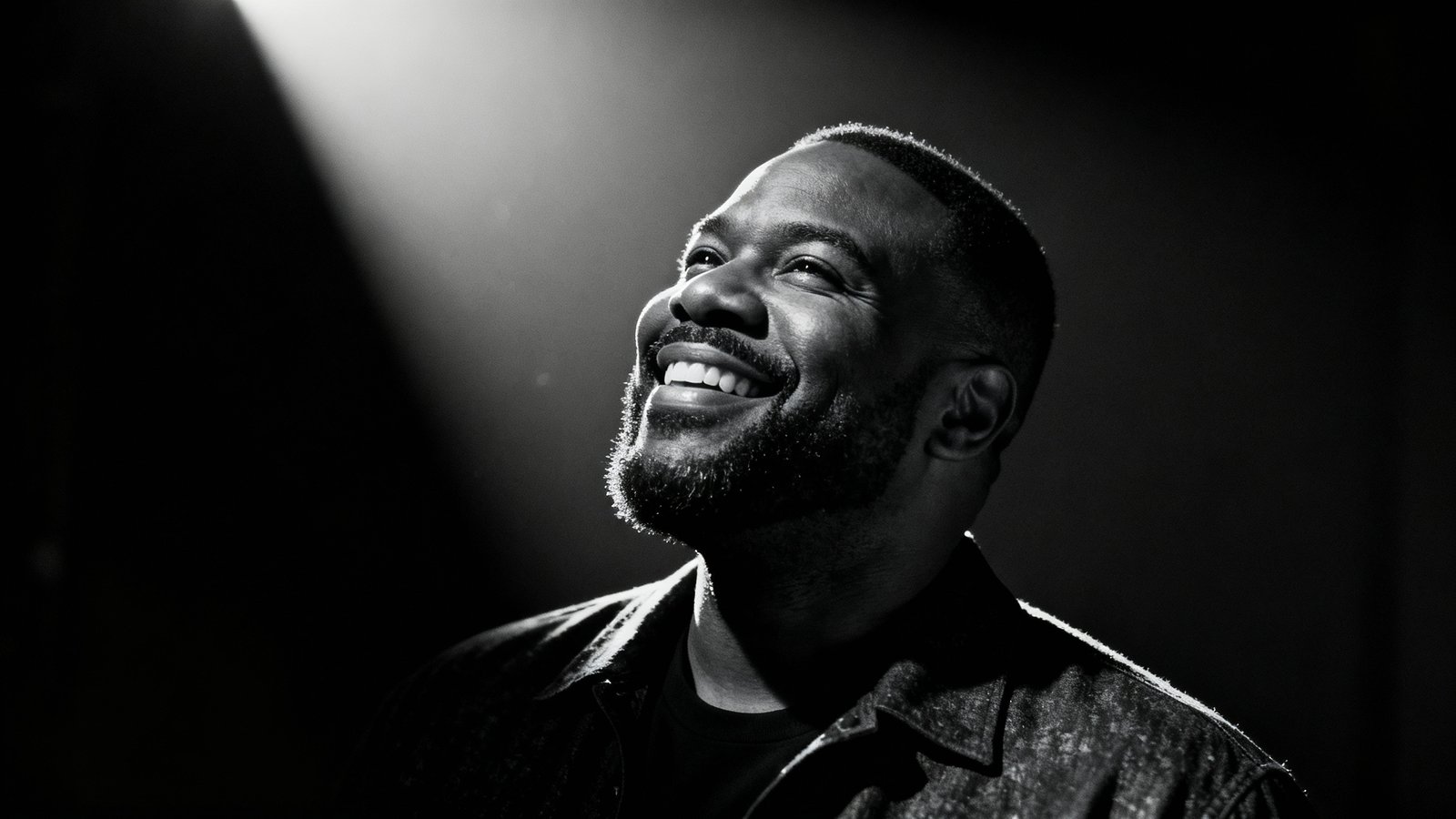
The Traitors’ Unintended Revelation
Look, I’ve watched “The Traitors.” It’s wild. You’re constantly trying to figure out who’s being genuine and who’s putting on an act. You’re analyzing every facial expression, every subtle shift in tone. It’s a high-stakes game of social deduction. And if you’re someone who already finds navigating neurotypical social norms a bit like trying to read a book written in a language you only half-understand, then The Traitors must have felt like a full-on linguistic assault.
Funches, bless him, said the show “really broke my brain.” And honestly, who can blame him? The pressure, the constant suspicion, the need to perform and interpret social signals under extreme duress – that’s gotta be exhausting for anyone. But for someone who’s autistic and, crucially, didn’t know they were autistic at the time? That’s not just exhausting, that’s an existential crisis waiting to happen. It’s like being handed a puzzle with a bunch of missing pieces and then being told you’re stupid for not solving it fast enough.
He talked about how he’d been in therapy for a bit, doing all the work, trying to figure things out. And then, boom. The diagnosis hit. And you know what? It makes so much sense. Suddenly, a lot of his past experiences, his reactions, his struggles – they click into place. It’s not about being “wrong” or “broken.” It’s about having a different operating system. A really cool operating system, actually, but one that sometimes doesn’t mesh perfectly with the default settings of the world. And that’s okay. More than okay, even. It’s, as he said, a victory. Really.
The Masking Game, Unmasked
The thing is, a lot of autistic people, especially those who weren’t diagnosed as children (and even more so if they’re Black or a person of color, or female, because the diagnostic criteria has historically been terrible at identifying anyone who isn’t a white boy), develop incredible coping mechanisms. They learn to “mask.” They mimic neurotypical behaviors, they force eye contact even if it feels painful, they script conversations, they suppress stims. It’s an exhausting, lifelong performance. And it’s all just to fit in, to survive, to avoid being seen as “weird” or “difficult.”
I’ve seen this pattern so many times. Someone goes their whole life feeling like an alien, trying their best, pushing themselves to the brink, and just not understanding why social interactions feel so draining, or why certain sensory inputs are overwhelming, or why they just don’t get the subtext everyone else seems to inherently understand. And then, an adult diagnosis. It’s not a sad thing. It’s a revelation. It’s like finally getting the instruction manual for your own brain after 30, 40, 50 years of trial and error.
Is This a Trend? (And Why That’s Good)
You know, I gotta wonder if we’re seeing more and more of this. Public figures like Ron Funches, or even people like Paddy Considine (who plays Viserys on “House of the Dragon”), sharing their adult autism diagnoses. It’s becoming less of a hush-hush thing, less of a “shameful secret,” and more of an “Oh, hey, this is who I am, and it explains a lot.” And honestly, that’s huge. It’s really, really big.
Because every time someone brave like Ron Funches stands up and says, “This is me, this is my diagnosis, and it’s a good thing,” it chips away at the stigma. It normalizes it. It gives other adults who are quietly struggling, who suspect something but are too afraid to explore it, a bit of courage. It says, “You’re not alone. And there’s nothing wrong with you.”
“It’s a victory worth sharing,” Ron Funches declared, and that sentiment right there? That’s everything. It reframes what so many people, for so long, have been taught to see as a deficit.
What’s interesting here is how often these epiphanies come after intense periods of stress or self-reflection. For Funches, it was “The Traitors.” For others, it might be a new job, a relationship change, or even just therapy where they finally feel safe enough to unpack all those lifelong “quirks.” It’s like the brain, under pressure, can no longer maintain the elaborate masking, and the true self starts to peek through, prompting a deeper investigation.
The ‘Victory’ Part: Why It’s More Than Just a Label
So, why is it a victory? Why is getting a diagnosis, something that some people still view with a sense of dread, something to celebrate? Well, for starters, it’s validation. Imagine spending your entire life feeling like you’re trying to navigate the world with a faulty compass, constantly getting lost, being misunderstood, and blaming yourself for every misstep. Then someone hands you a map and says, “Oh, your compass isn’t faulty. It just reads north a little differently than everyone else’s. Here’s how to recalibrate it for your internal system.” That’s what a diagnosis can be. It’s not about changing who you are; it’s about understanding who you already are, profoundly.
And then there’s the self-compassion aspect. All those times you felt like a failure because you couldn’t handle a noisy party, or you said the “wrong” thing, or you got overwhelmed by too many demands? Now you have a framework to understand why those things happened. It wasn’t a moral failing. It was a neurological difference. And that, my friends, is incredibly freeing. It allows you to finally extend yourself the grace and understanding you probably always gave to others.
Plus, a diagnosis opens doors. It opens doors to resources, to communities of people who think like you, who get it without you having to explain everything from scratch. It allows for accommodations, for self-advocacy, for setting boundaries that protect your energy and well-being. It’s not a limitation; it’s a key.
What This Actually Means
This isn’t just about Ron Funches, though his story is genuinely inspiring. This is about a broader shift in how we understand neurodiversity. It’s about recognizing that there isn’t just one “right” way for a human brain to operate. And that different ways of thinking, perceiving, and interacting with the world aren’t defects, but simply… differences. Sometimes, those differences are even superpowers, if channeled correctly.
I predict we’re going to see more of this. More adults realizing, “Hey, maybe it’s not just me being ‘weird’ or ‘anxious’ or ‘bad at people.'” And that’s a good, good thing. Because the more people understand themselves, the more they can thrive. And the more public figures like Funches speak up, the more the rest of us get to learn, to empathize, and to maybe, just maybe, make the world a little bit more accommodating for everyone, no matter how their brain is wired. So yeah, Ron Funches calling it a victory? He’s absolutely right. It is. And it’s one we should all be celebrating.