So Google Maps decided Lake Ontario needed a rebrand, and the new name it landed on was, uh, “Lake America.” Not “Lake Ontario (America Side).” Not even a typo-adjacent “Lake Ont.” Just… America. As if the entire lake got naturalized overnight and picked a name that sounds like a wrestling move.
Wait, What Happened Exactly?
Screenshots started circulating on Reddit (shoutout to r/technology for finding this before I did) showing Google Maps labeling the lake, which sits between New York and Ontario, Canada, as “Lake America.” Not a sliver of it, not some weird boundary dispute zone – the whole thing, relabeled like someone at Google fat-fingered a database entry at 2am.
404 Media picked up the story and dug into it a bit, and from what I can tell, this isn’t some prank or April Fools leftover. It’s a genuine data glitch, the kind that happens when automated systems pull from messy geographic datasets and something goes sideways. Google Maps pulls location names from a mix of government sources, user contributions, and its own internal mapping data, and every so often those sources contradict each other or just get mangled in translation. This looks like one of those moments, except instead of misspelling a small town, it renamed one of the five Great Lakes.
Not the First Time, Not Gonna Be the Last
Look, Google Maps has a long, kind of hilarious history of naming hiccups. Remember when it briefly turned parts of Google’s own campus into a giant Android logo relieving itself on an Apple logo? Or the time random buildings got labeled with joke names because someone gamed the “suggest an edit” feature? This is basically that, but bigger and dumber, because it’s a literal Great Lake and not some strip mall in Ohio.
Why Does a Map Glitch Even Matter?
I know what you’re thinking – who cares, it’s a map, Google will fix it in a day or two. And yeah, probably. But here’s the thing: we’ve basically outsourced our understanding of the physical world to a handful of tech companies, and most of us don’t even blink at it anymore. Lake Ontario has been called Lake Ontario since, I don’t know, the 1600s when European settlers adapted it from the Huron word “Ontarí:io.” That’s a lot of history to just… overwrite because an algorithm hiccuped.
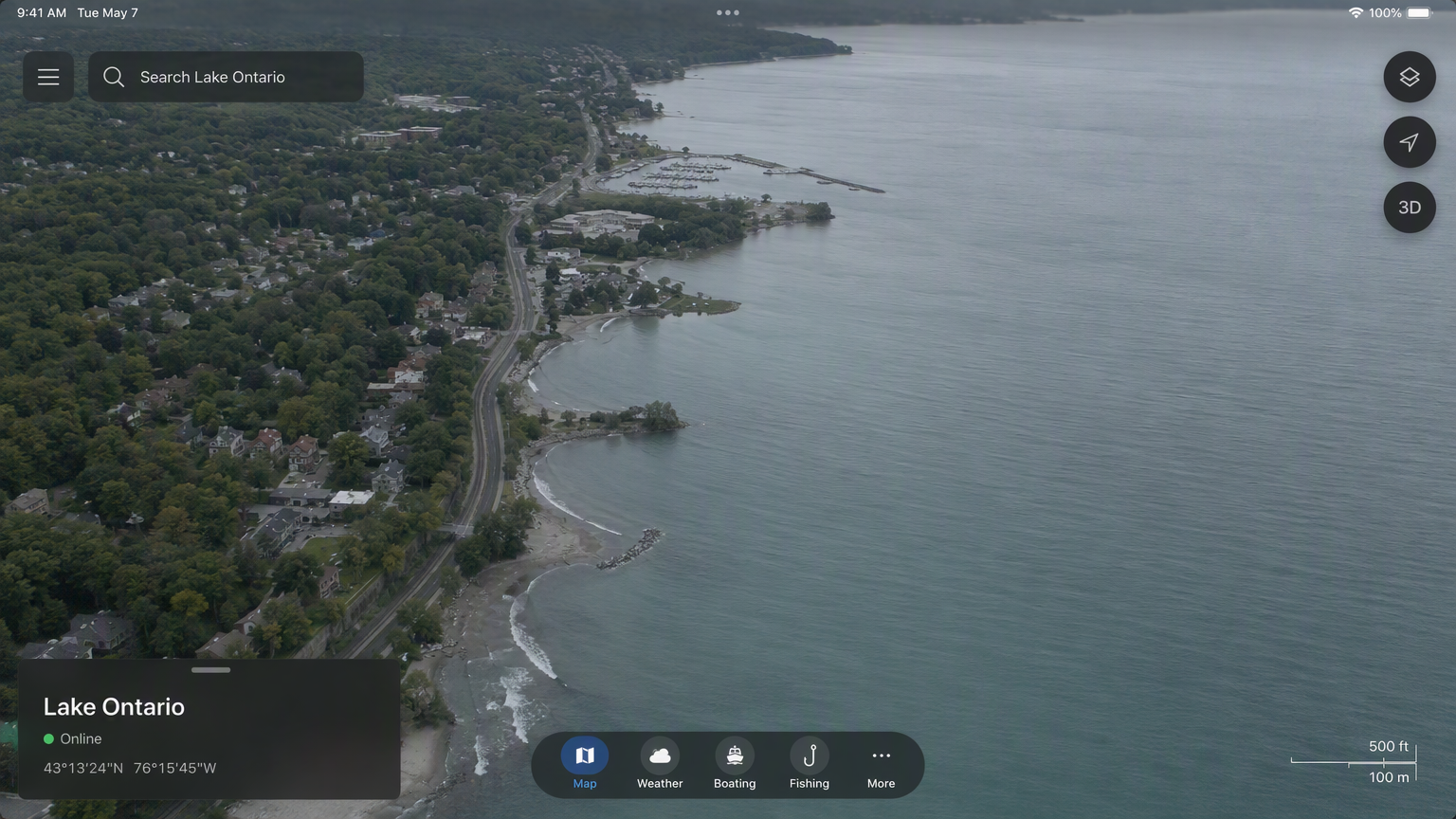
And it’s not like this is some obscure body of water. Lake Ontario borders one of the most densely populated regions in North America. Millions of people live around it. Toronto’s right there. Rochester’s right there. If Google Maps can flub the name of a lake that big, that visible, that important, what does that say about the smaller, less-monitored corners of the map? The stuff nobody’s screenshotting for Reddit?
“It’s kind of funny until you remember how many people just trust whatever the map says without a second thought” – basically the vibe of every comment thread I read on this.
The Internet Did What the Internet Does
Naturally, people had jokes. A lot of jokes. Someone suggested Canada should get to rename Lake Erie in retaliation. Someone else pointed out that “Lake America” sounds like a theme park attraction, or maybe a bad energy drink. My personal favorite take floating around was that this is just manifest destiny but for cartography software, which, I mean… yeah, kind of.
Not gonna lie, I laughed harder at this than I probably should have. There’s something deeply funny about a trillion-dollar company’s mapping product just casually declaring sovereignty over a shared international body of water because of what’s probably a backend labeling error. Canada didn’t get a vote. Nobody got a vote. The algorithm just decided.
So Whose Fault Is This, Actually?
From what’s been reported, nobody’s pointing fingers at a specific human. This wasn’t malicious, it wasn’t a rogue employee, it’s just the messy reality of maintaining a global map that’s constantly being edited, scraped, and re-scraped by automated systems. Google Maps handles an absurd number of place names, translations, and boundary designations, and every once in a while the machine spits out something absurd. Usually it’s small. This time it was a Great Lake.
What This Actually Means
Here’s my honest take: this is a funny, low-stakes glitch, but it’s also a tiny window into how fragile our shared digital infrastructure actually is. We treat Google Maps like it’s some neutral, objective record of the world, when really it’s a product, built by a company, maintained by systems that occasionally break in weird and very public ways. Lake Ontario will get its name back, probably within days if it hasn’t already happened by the time you’re reading this. But the fact that it happened at all – that a name going back centuries can just get swapped out because of a data pipeline error – is worth sitting with for a second.
I’m not saying panic. I’m saying maybe don’t treat the map as gospel. Check a second source every once in a while, especially for anything that actually matters. Because if Google can accidentally rename an entire Great Lake after itself basically, what else is quietly a little bit wrong out there that nobody’s screenshotted yet?